
US Strikes on Alleged Drug Boats Result in Casualties and Ongoing Search for Survivors
In a significant military operation, the United States has executed strikes against vessels suspected of being involved in drug trafficking in the Eastern Pacific, resulting in the deaths of three alleged narco-terrorists. This marks the 33rd such incident since September 2025, underscoring the U.S. government's intensified efforts to combat drug smuggling and narco-terrorism.
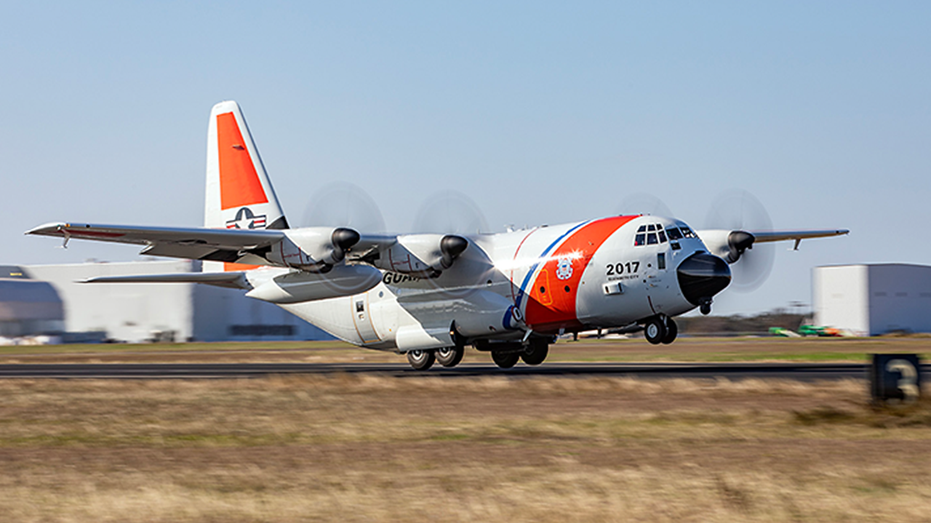
The strikes took place on January 1, 2026, and were part of a broader strategy to curb the rising influence of drug cartels operating in international waters. Following the strikes, the U.S. Coast Guard has initiated search operations for potential survivors, as reports indicate that there may be more individuals missing from the vessels.
According to initial reports, the targeted vessels were identified as being linked to organized crime networks engaged in narcotics trafficking. The U.S. military and Coast Guard have been closely monitoring these activities, which pose a growing threat to both national security and public health.
"The operation was a response to credible intelligence regarding imminent drug shipments that could have entered U.S. borders," said a U.S. military spokesperson. "We remain committed to disrupting and dismantling these criminal enterprises that endanger our communities."
The strikes have sparked a range of reactions, with some praising the U.S. efforts to combat drug trafficking while others express concern over the potential for collateral damage and the legal implications of military actions in international waters.
Background
The increase in U.S. military actions against drug trafficking vessels comes amid a rising tide of drug-related violence and addiction issues within the country. The Biden administration has made combating the opioid crisis a priority, leading to heightened military engagement in drug interdiction efforts.
Since September 2025, the U.S. has conducted a series of strikes aimed at disrupting drug flows from South America, where major cartels operate with relative impunity. The ongoing campaign raises questions about the effectiveness of military solutions to address the complexities of the drug trade, which often involve intricate networks of corruption and violence.
Conclusion
The recent strikes on suspected drug boats highlight the ongoing challenges posed by narco-terrorism and drug trafficking in the region. As the U.S. Coast Guard continues its search for survivors, the implications of these military operations will likely be scrutinized in the coming days. The urgency to address drug trafficking remains paramount, as officials grapple with the consequences of their actions on international law and humanitarian grounds.