
US Strikes Iran Military Targets Near Bandar Abbas in Self-Defense
US forces carried out a strike on Iran military targets near Bandar Abbas in self-defense, downing four drones and bombing a ground installation despite the April ceasefire.
US strikes on southern Iran
US forces attacked military targets near the southern Iranian port of Bandar Abbas in self-defense. The operation occurred despite a ceasefire agreed in April. American units downed four Iranian drones and bombed a ground installation in southern Iran. These actions formed the core of the reported US strike on Iran positions. Multiple accounts confirm the timing of the strikes took place in the early hours, with the ground target described as a military installation. The self-defense rationale was stated directly by US representatives in connection with the events near Bandar Abbas. [3] [5]
Details of drone interceptions and ground bombing
The US operation included the interception of four Iranian drones before they could reach their intended paths. Following those interceptions, US aircraft or missiles struck a ground installation located in southern Iran. Reports specify that the ground target was separate from the drone engagements and formed part of the broader strike on Iran assets. The sequence began with drone downings and concluded with the bombing of the installation near Bandar Abbas. These steps were presented as a coordinated response conducted under self-defense principles. [5] [3]

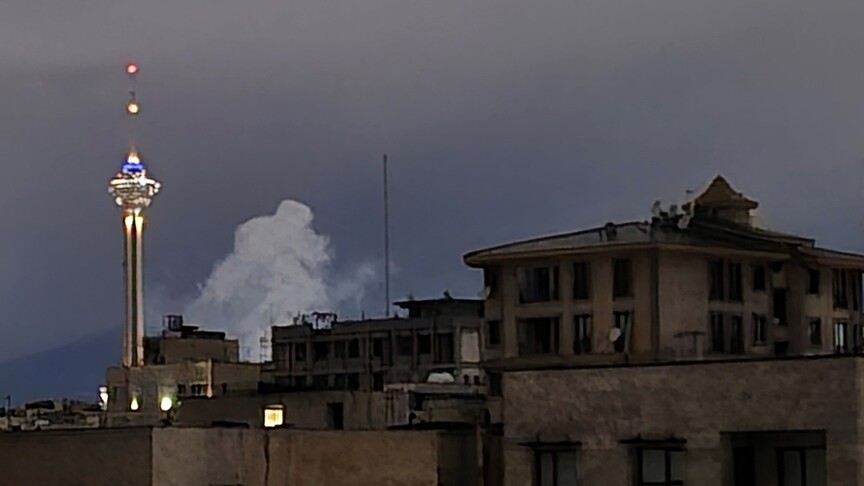
US forces down four Iranian drones and bomb military site near Bandar Abbas. — Source: helsinkitimes
Iranian retaliatory strikes
Iran condemned the US attacks as a violation of the ceasefire and launched retaliatory strikes against a United States air base in the Gulf. Iran’s Revolutionary Guard stated that the base targeted had served as the source of the earlier US attack. The strikes were described as a direct reply to the US actions near Bandar Abbas. Multiple reports note that Tehran did not immediately specify the exact base hit but confirmed the retaliatory nature of the operation. Iran’s statements emphasized that the US strike on Iran military targets had broken the April agreement. [3] [4] [5]
Statements on ceasefire violation

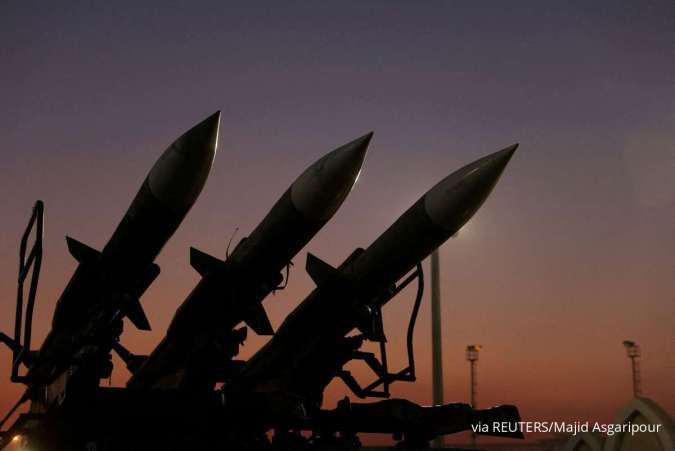
US forces down four Iranian drones and bomb a military installation near Bandar Abbas. — Source: clarin
Iran issued an explicit condemnation of the recent US attacks, labeling them a breach of the weapons ceasefire reached in April. Officials in Tehran linked the violation directly to the strike on Iran positions near Bandar Abbas. The condemnation was released shortly after the US operation became known. Iranian authorities maintained that the retaliatory strikes were justified by the preceding US move. These statements formed part of the official Iranian response carried in live updates and news summaries. [4] [3]
Kuwait's role and condemnation
Kuwait confirmed that its air defense systems intercepted missiles and drones after warning sirens sounded across parts of the country. Kuwaiti authorities later issued a formal condemnation of Iranian air attacks on its territory. The interceptions occurred following the reported Iranian retaliatory strikes aimed at a US air base. Kuwait described the events as unauthorized violations of its airspace and sovereignty. Official statements from Kuwait stressed that the country would not tolerate such incursions. [1] [3] [2]
Strait of Hormuz tensions
The reported attack on the US base in Kuwait contributed to renewed tensions around the Strait of Hormuz. Multiple accounts noted that the exchange of strikes between the US and Iran has heightened risks in the vital waterway. Iran’s action against the base was cited as a factor that could affect shipping routes passing through the strait. Observers pointed to the location of the base and the proximity to the strait as reasons for the increased concern. The overall sequence of events near Bandar Abbas and in Kuwait has kept regional attention focused on Hormuz. [2] [3]
Ceasefire context and sequence of events
The April ceasefire had been in place prior to the US strike on Iran targets near Bandar Abbas. Despite that agreement, US forces proceeded with the drone interceptions and ground bombing. Iran viewed the operation as a clear breach and responded with strikes on the identified US air base. The rapid sequence from US action to Iranian reply unfolded within hours. Kuwait’s subsequent interceptions and condemnation added another layer to the reported developments. All parties referenced the earlier ceasefire when explaining their positions. [3] [4] [5]
What to watch next: Further statements from Kuwait on additional interceptions and any updates from Iran regarding the specific US base targeted in the retaliatory strikes.