
US strikes hit Iranian missile sites in Hormozgan despite talks
The United States carried out strikes on Iranian targets even as ceasefire talks remained active, with the decision to strike Iran reflecting continued military action amid diplomatic efforts. These operations focused on specific locations in southern Iran and occurred against a backdrop of fragile negotiations aimed at ending the conflict.
US Strikes on Iran
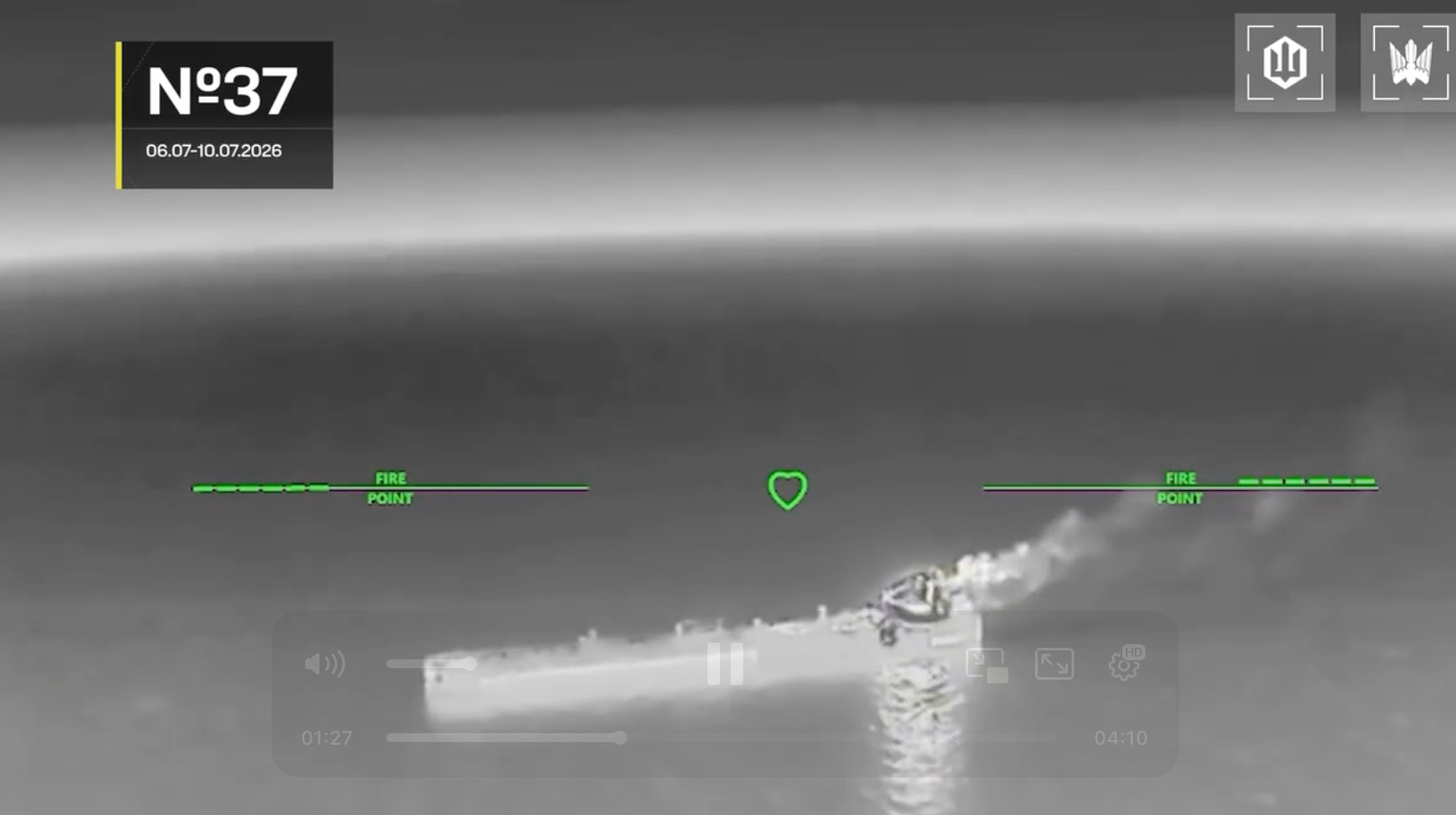
The strikes represented the first military action by the United States against targets in Iran since the start of the ceasefire period. According to reports, the operations targeted Iranian missile sites along with mine-laying boats located in the southern Hormozgan province. [1] The US military executed these strikes on a Monday, directing them at facilities that Iranian authorities described as key defensive assets. [5] Details from multiple outlets confirm that the attacks hit missile infrastructure and naval vessels involved in mine-laying activities, underscoring the precision of the chosen targets within the province. [2] This development came at a sensitive moment when both sides had been engaged in discussions, yet the strikes proceeded without apparent pause in the military posture. The focus on southern Hormozgan province limited the geographic scope while still demonstrating ongoing operational reach by US forces. Observers noted that such actions highlighted the challenges of maintaining restraint during periods of active diplomacy.
Iranian Accusations of Ceasefire Breach
Iran responded swiftly by accusing the United States of violating the existing ceasefire agreement through these overnight operations. [2] Iranian officials stated that the strikes breached the truce and emphasized their readiness to retaliate if further provocations occurred. The Revolutionary Guards Corps reported that its forces had downed a US drone that entered Iranian airspace and had fired upon an F-35 fighter jet during the incidents. [3] Iran's Foreign Ministry issued a formal statement on Tuesday confirming the violation linked to the strikes in southern Hormozgan province. [5] These claims framed the US actions as direct breaches that undermined trust at a critical juncture in the talks. Iranian statements also positioned the military response as defensive measures taken to protect national sovereignty following the attacks on missile sites and mine-laying boats. [2] The accusations extended to warnings about potential further escalation should the United States continue similar operations.

Iran seeks time to rebuild its military amid talks to end the war. — Source: france24
Ongoing Negotiations
Despite the strikes, negotiations continued with Iran seeking the release of frozen assets as a central demand in any final agreement. [4] A top Iranian official delegation based in Qatar indicated it was finalizing a 14-point framework designed to end the war. [2] This framework reportedly addressed multiple outstanding issues, including economic relief measures tied to the unfreezing of Iranian funds. Iran has positioned the asset release as essential to any deal, viewing it as compensation for prior restrictions. [4] The talks in Qatar proceeded even after the military incidents, with Iranian representatives stressing their intent to use the period to stabilize positions. US representatives maintained that a comprehensive agreement remained attainable despite the recent events. The 14-point document under discussion covered a range of topics intended to establish lasting terms, though specific points related to asset releases formed a key sticking point from the Iranian side. [2]
US Position on Deal
The United States has shown clear anxiety to conclude an agreement with Iran ahead of the midterm elections, where public opposition to the conflict has been growing among American voters. [4] Officials expressed determination that a deal could still be reached, even following the strikes on missile sites and mine-laying boats. This urgency stems from domestic political pressures that have intensified calls for resolution before the electoral cycle advances further. [4] Washington continued to engage through diplomatic channels while asserting that the path to an accord had not been closed by the recent military actions. The focus remained on aligning terms that could satisfy core demands from both sides, including those involving frozen assets. [2] US statements underscored a pragmatic approach aimed at de-escalation before broader political timelines constrained options.
What to watch next: Iran is finalizing its 14-point framework in Qatar while continuing to demand the release of frozen assets, and the United States remains focused on securing a deal before midterm elections.