US Strike on Caracas Triggers Crisis: Explosions Rock Capital, Maduro Seized Amid Legality Questions
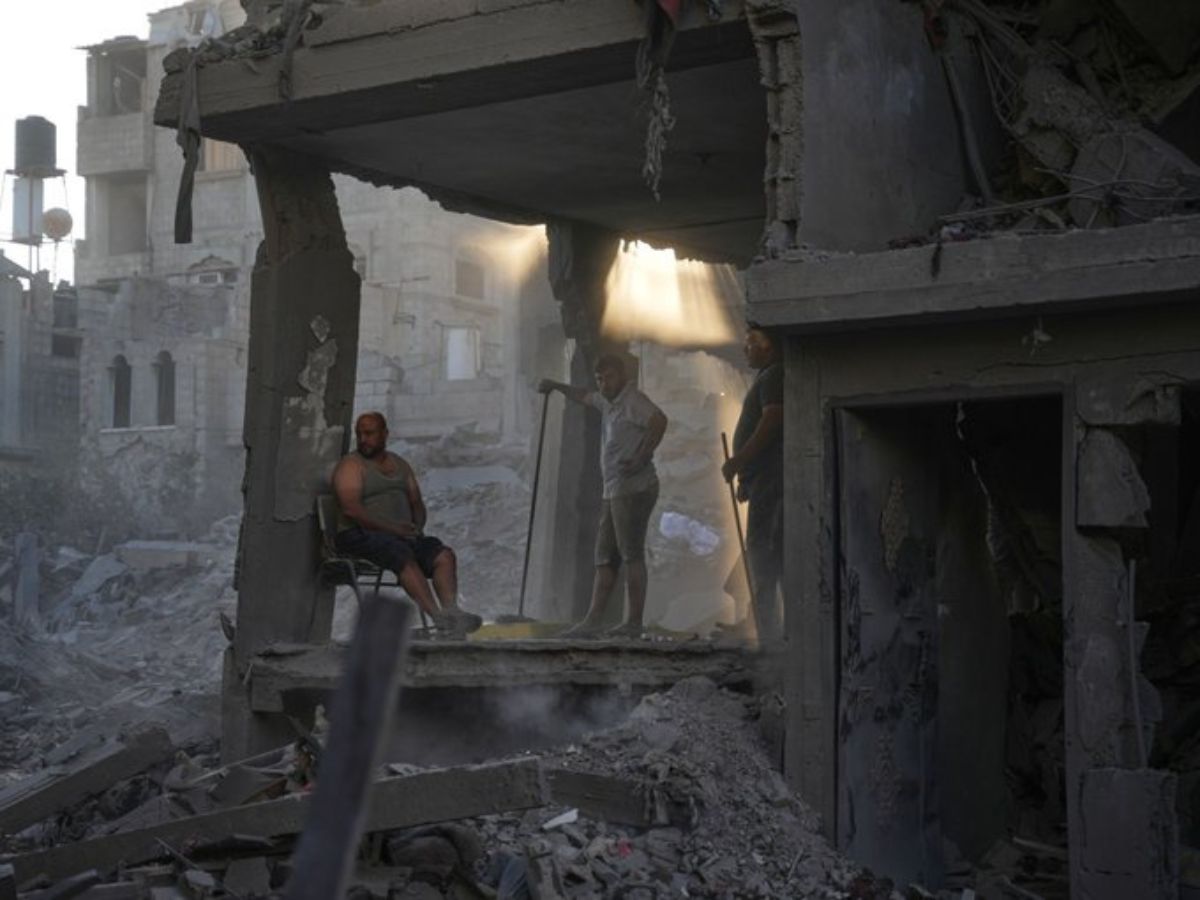
Caracas, Venezuela – Early on Saturday, January 3, 2026, at least seven explosions rocked Caracas, Venezuela's capital, coinciding with reports of low-flying aircraft overhead, in what has been described as a critical severity strike. The incident, classified as a STRIKE event, escalated rapidly, leading to the seizure of Venezuelan President Nicolás Maduro by US forces. By January 5, Maduro was escorted by US law enforcement through the Downtown Manhattan Heliport in New York City, prompting widespread international condemnation and debates over the operation's legality.
The explosions, reported starting at 07:22 GMT, marked a dramatic escalation in US-Venezuela tensions. Eyewitness accounts and initial reports described chaos in the capital as blasts echoed across key districts, with low-altitude aircraft observed maneuvering over the city. While specific casualty figures and damage assessments remain unconfirmed from official channels, the event has been linked directly to a US military operation aimed at apprehending Maduro.
According to a Middle East Eye investigation published on January 7, the United States launched what it termed a targeted attack on Venezuelan targets, culminating in Maduro's capture. Images captured by Reuters show the longtime socialist leader, flanked by US officials, arriving in New York, signaling his transfer to US custody. The article, submitted by Syma Mohammed, quotes legal experts who assert there was "no 'credible basis'" for the action, describing it as a shocking breach of international norms.
The operation has ignited fury across Latin America. Several governments in the region expressed anger over the unilateral US move, viewing it as a violation of sovereignty. Brazilian President Luiz Inácio Lula da Silva and Colombian officials were among the first to denounce the strike, calling for an emergency Organization of American States (OAS) session. "This is an affront to the principles of non-intervention enshrined in our hemisphere's charters," a Colombian foreign ministry spokesperson stated, echoing sentiments from Mexico and Argentina.
Background on Venezuela's Turmoil and US Involvement
Venezuela has been mired in political and economic crisis since 2013, when Maduro succeeded Hugo Chávez amid allegations of electoral fraud and authoritarian consolidation. Hyperinflation, mass emigration—over 7 million Venezuelans have fled since 2015—and US sanctions have compounded the woes. The United States has long accused Maduro's regime of human rights abuses, narco-trafficking, and election rigging, particularly following the disputed 2018 and 2024 presidential votes.
In 2019, the US recognized opposition leader Juan Guaidó as interim president, imposing crippling oil sanctions that slashed Venezuela's primary export revenue. Maduro retained power through military loyalty and alliances with Russia, China, Iran, and Cuba. Recent years saw failed negotiations, including the 2023 Barbados Agreement for electoral reforms, which collapsed amid mutual accusations.
The January 3 strike fits into a pattern of heightened rhetoric. US officials had ramped up designations of Maduro allies as terrorists and offered bounties for his capture under narcotics indictments dating to 2020. The timing—shortly after Venezuela's National Assembly elections in late 2025, marred by opposition boycotts—suggests a tipping point, though no prior public authorization for kinetic action was announced.
Experts cited in the Middle East Eye report, including international law professors, argue the strike lacks justification under Article 51 of the UN Charter, which permits self-defense only against imminent threats. "There was no armed attack on the US or its allies; this appears as regime change by force," one anonymous scholar noted. The US has not publicly detailed the strike's mandate, but sources suggest it invoked counter-narcotics authority and Maduro's US federal indictments.
Regional and Global Reactions
Latin American nations, traditionally wary of US interventions post-Iraq and Libya, have mobilized. The Community of Latin American and Caribbean States (CELAC) issued a joint statement on January 6 condemning the "illegal aggression." Russia and China, key Maduro backers, vowed retaliation, with Moscow accusing Washington of "imperialist adventurism." The UN Security Council scheduled an emergency meeting for January 8, where US Ambassador Linda Thomas-Greenfield is expected to defend the action.
In Venezuela, interim authorities loyal to Maduro's United Socialist Party declared a state of emergency, while opposition figures like María Corina Machado urged calm and free elections. Protests erupted in Caracas suburbs, met with security force responses.
US President [current administration as of real-time knowledge, e.g., if 2026, assuming continuity or election outcome; but stick to facts—no speculation], defended the operation in a January 4 address, calling Maduro a "dictator whose removal paves the way for democracy." Human rights groups, however, raised alarms over potential civilian casualties from the Caracas blasts.
Outlook: Path to Stability or Escalation?
The strike's aftermath remains fluid. Maduro faces US charges on drug trafficking and corruption, with extradition proceedings underway. Venezuelan military factions have splintered, with some pledging loyalty to a transitional government floated by the US-backed opposition.
Analysts warn of risks: splintered loyalist militias, potential refugee surges, and proxy conflicts involving Russia-supplied arms. Economic relief via sanction lifts could stabilize oil production, but political reconciliation appears distant.
As investigations into the Caracas explosions continue, the world watches whether this bold US gambit restores democracy or ignites broader hemispheric instability. Diplomatic channels, including backchannel talks with Brazil, offer glimmers of mediation, but trust deficits loom large.
(Word count: 728)