
US Signals Long-Term Involvement in Venezuela as Trump Eyes Oil Oversight, Caracas Accuses Washington of 'Energy Greed'
Washington/T Caracas — President Donald Trump has indicated that the United States could maintain oversight of Venezuela and control its vast oil revenues for years, following the arrest of President Nicolás Maduro. The remarks, coupled with emerging plans for U.S. management of Venezuelan crude sales and a pending Senate vote on expanded war powers, have intensified geopolitical tensions in the oil-rich South American nation.
In a wide-ranging interview published Thursday, Trump stated that the U.S. would "run Venezuela and extract its oil possibly for years," according to reports from Fox News and Newsmax. The comments came amid reports of Maduro's arrest, marking a dramatic escalation in U.S. involvement in Venezuela's protracted political crisis. Trump described the potential arrangement as a means to stabilize the country and leverage its resources, which include the world's largest proven oil reserves estimated at over 300 billion barrels.
U.S. officials are outlining a framework to oversee Venezuela's global petroleum trade, with the Senate expected to vote soon on legislation granting Trump broader war powers in the region, per live updates from CNN. This follows earlier U.S. announcements that Washington would directly manage future Venezuelan crude sales, a move aimed at redirecting revenues away from what the administration views as Maduro's corrupt regime.
The developments represent a sharp pivot in U.S. policy toward Venezuela, a nation long under American sanctions due to human rights abuses, electoral fraud allegations, and ties to drug trafficking. Maduro, who has ruled since 2013 amid widespread protests and economic collapse, recently expressed openness to discussions with the U.S. on drug trafficking concerns as recently as January 2. However, Venezuelan officials have dodged questions on a related attack claimed by U.S. interests, adding to the friction.
From Caracas, Venezuela's interim President Delcy Rodríguez fired back, accusing the Trump administration of "energy greed." In statements reported by the Times of India, Rodríguez claimed the U.S. is using "false claims about drugs and human rights" as pretexts to seize Venezuela's oil. She positioned her government as open to "mutually beneficial energy partnerships with clearly defined commercial contracts," explicitly leaving the door ajar for Russia and China while criticizing U.S. intentions.
Rodríguez's remarks underscore Venezuela's pivot toward non-Western powers amid isolation from the U.S. Russia has historically provided military and economic support to Maduro, including loans and wheat shipments during sanctions. Recent reports from early January indicated a former Trump adviser claiming Moscow offered the U.S. a "free hand" in Venezuela in exchange for concessions on Ukraine, though U.S. officials have not confirmed such overtures.
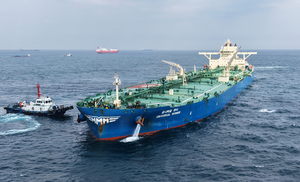
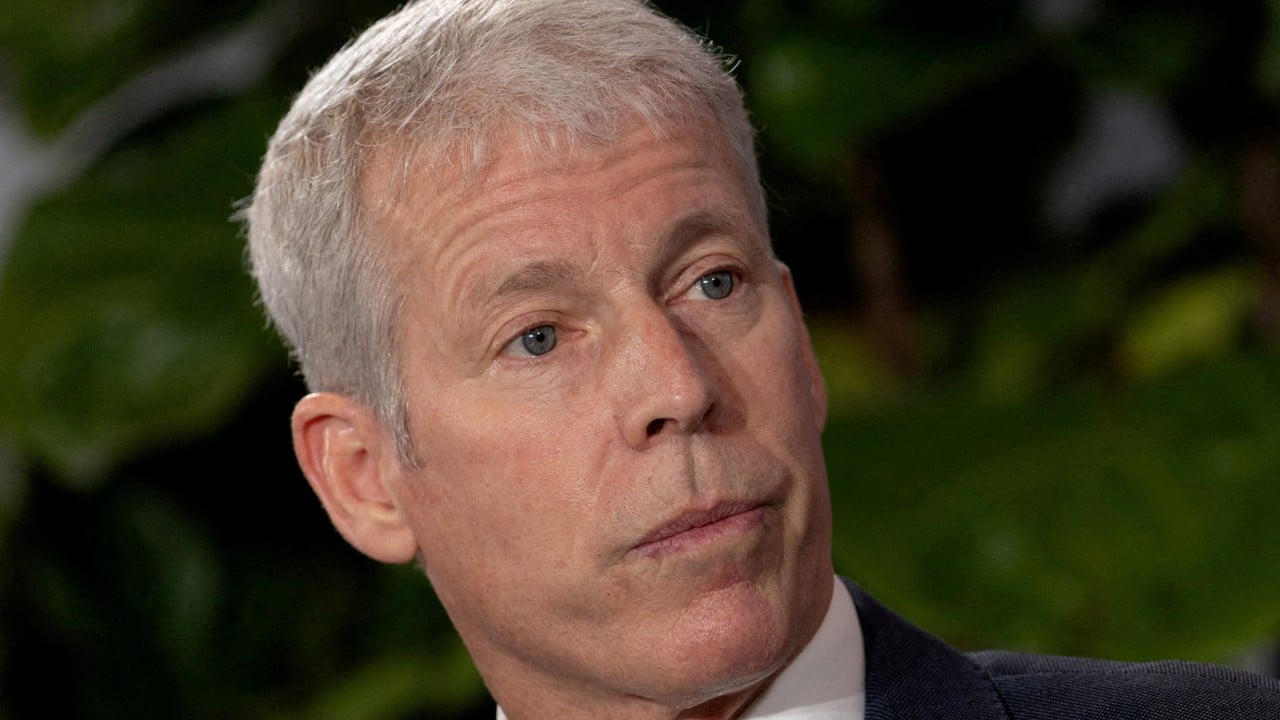
On the energy front, U.S. Energy Secretary Chris Wright offered a more conciliatory tone toward global players. In a Fox Business interview covered by the South China Morning Post, Wright said there is "room to balance roles for both the United States and China in Venezuela to allow for commerce," but emphasized Washington would not permit Beijing "major control" over the country. He predicted rapid expansion for Chevron in Venezuela, with ConocoPhillips and ExxonMobil poised to contribute constructively. Chevron has operated under U.S. licenses since sanctions were partially eased in 2022, producing around 200,000 barrels per day.
Background: Venezuela's Oil-Fueled Crisis
Venezuela's woes trace back to the early 2000s under Hugo Chávez, whose socialist policies nationalized the oil industry via PDVSA, the state-owned petroleum company. Mismanagement, corruption, and U.S. sanctions imposed since 2017 have slashed output from 3 million barrels per day to under 800,000, triggering hyperinflation and a humanitarian crisis that displaced over 7 million people.
The U.S. recognized opposition leader Juan Guaidó as interim president in 2019, but Maduro retained control with backing from Russia, China, Iran, and Cuba. Disputed July 2024 elections further polarized the nation, leading to opposition claims of fraud. Trump's return to office in 2025 has revived aggressive tactics, including secondary sanctions and now apparent military or covert actions culminating in Maduro's arrest.
China, Venezuela's largest creditor with over $10 billion in oil-backed loans, holds minority stakes in joint ventures. Russia’s Rosneft has managed PDVSA assets, while U.S. majors like Chevron navigate a web of licenses.
Outlook: Balancing Influence Amid Risks
The U.S. push risks broader confrontation. Rodríguez's openness to Russia and China could accelerate de-dollarization efforts in Venezuelan oil trades, already conducted in yuan and rubles. A Senate vote on war powers could formalize U.S. military presence, echoing past interventions like Iraq.
Analysts warn of potential instability, with Chevron's growth hinging on security. Wright's "balance" proposal may test U.S.-China relations under strained global energy dynamics. As Trump eyes prolonged involvement, Venezuela remains a flashpoint where oil, ideology, and great-power rivalry converge.
(Word count: 712)