
US Raid on Venezuela Ignites Regional Fury and Global Power Plays, as Russia Proposes Deal to Washington
Caracas/Washington, January 11, 2026 – A U.S. military operation in Venezuela over the weekend, resulting in the abduction of President Nicolás Maduro, has provoked sharp condemnation from Brazil and opened doors for Chinese influence in Latin America. Amid the fallout, reports emerged that Russia offered the United States a "free hand" in Venezuela in exchange for concessions on Ukraine, signaling escalating geopolitical maneuvering in the region.
The unprecedented U.S. raid, described by officials as a targeted counter-narcotics and regime-change operation, saw American special forces extract Maduro from Caracas late last weekend. Venezuelan state media confirmed the president's capture and transfer to U.S. custody, though details remain sparse. The action marks a dramatic escalation in long-standing U.S.-Venezuela tensions, rooted in accusations of human rights abuses, election fraud, and narco-trafficking under Maduro's socialist regime.
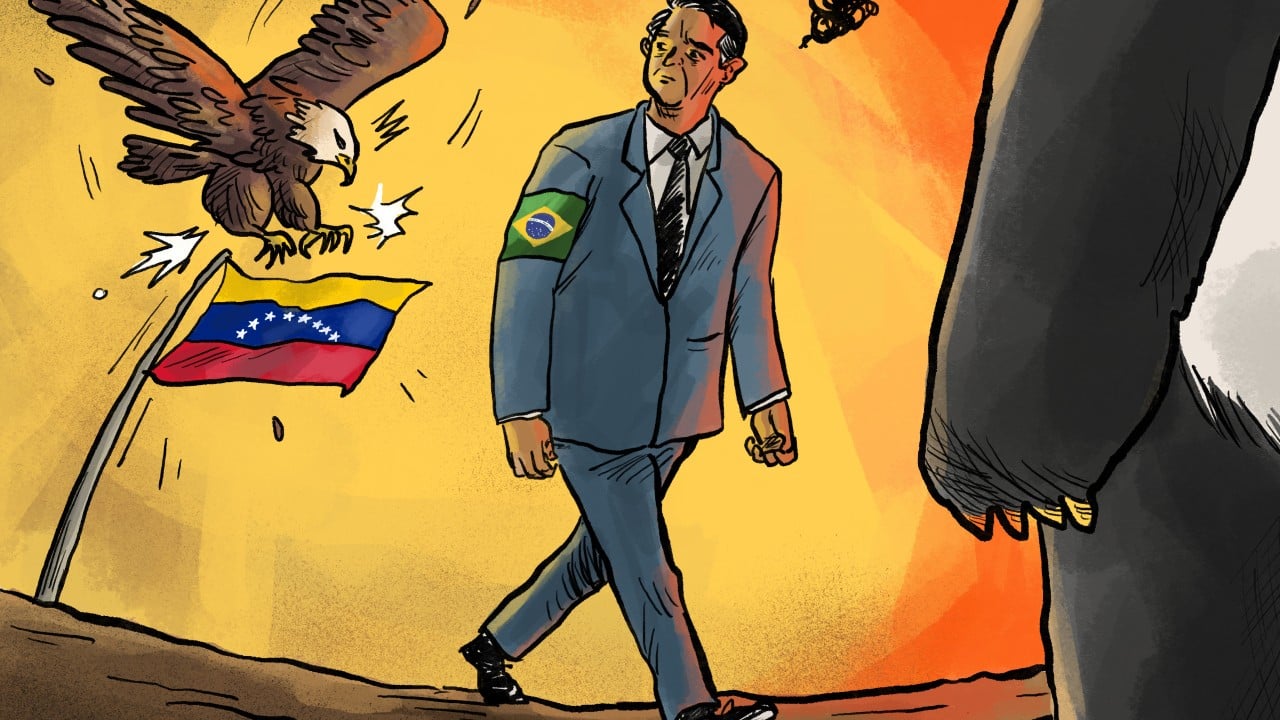
Brazilian President Luiz Inácio Lula da Silva swiftly denounced the operation as a "flagrant violation of international law" and a move that "crossed an unacceptable line." In a social media statement, Lula declared: "These acts represent a grave affront to Venezuela’s sovereignty and yet another extremely dangerous precedent for the entire international community." He warned that attacking sovereign nations constitutes "the first step towards a..." – a phrase left incomplete in initial reports but interpreted by analysts as alluding to broader risks of conflict.
Lula's rebuke underscores Brazil's non-interventionist stance and its role as a regional heavyweight. Brasília has historically mediated Venezuela's crises, including facilitating talks between Maduro's government and opposition figures. The Brazilian reaction has fueled fears of a Latin American diplomatic rift, with Lula calling for an emergency Organization of American States (OAS) session to address the incursion.
The raid has also created strategic openings for China, Venezuela's largest creditor and trading partner. Beijing, which has invested billions in Venezuelan oil infrastructure since 2007 through loans-for-oil deals totaling over $60 billion, views the instability as a chance to deepen ties with interim Venezuelan authorities or opposition leaders. Chinese state media praised Lula's comments while subtly positioning Beijing as a stabilizing force. Analysts note that China could leverage its economic leverage – Venezuela owes China approximately $10 billion – to secure favorable contracts amid the power vacuum.
Compounding the regional tensions, a former adviser to U.S. President Donald Trump revealed on January 6 that Russia had privately offered Washington a "free hand" in Venezuela. According to the claim, Moscow proposed standing aside on Venezuelan affairs in return for U.S. concessions in the Ukraine conflict, where Russia has faced Western sanctions and military aid to Kyiv since its 2022 invasion. The offer, if verified, reflects Russia's pragmatic approach to global hotspots, amid its alliance with Maduro's government, which has provided Moscow a foothold in Latin America through military and energy cooperation.
Background on Venezuela's Turmoil
Venezuela has been mired in crisis since 2013, when Maduro succeeded Hugo Chávez amid plummeting oil prices, hyperinflation, and U.S. sanctions imposed over democratic backsliding. The 2018 and 2024 elections, both marred by fraud allegations, drew international isolation for Maduro's regime. The U.S. recognized opposition leader Juan Guaidó as interim president in 2019, though Maduro retained control with support from Russia, China, Iran, and Cuba.
The raid follows intensified U.S. pressure under the second Trump administration, including renewed bounties on Maduro allies linked to the FARC and Hezbollah. Maduro's abduction – reportedly to face charges in Miami – leaves a leadership void, with Diosdado Cabello, a key Chavista figure, assuming interim control amid street protests and military deployments.
International Reactions and Outlook
Beyond Brazil, allies like Cuba and Iran condemned the U.S. action, while Colombia and Guyana expressed cautious support, citing border security concerns. The European Union urged dialogue, and the UN Security Council scheduled closed consultations.
Russia's alleged proposal highlights the Venezuela crisis's intersection with broader great-power competition. Moscow has supplied Venezuela with S-300 air defenses and wheat shipments, viewing it as a counterweight to U.S. influence. A U.S.-Russia deal could reshape dynamics but risks alienating Latin American partners wary of superpower horse-trading.
As Venezuela navigates this upheaval, the focus shifts to succession struggles and potential elections. The U.S. has signaled support for a transitional government, but Brazilian and Chinese pushback could prolong instability. With oil markets watching – Venezuela holds the world's largest proven reserves – global energy prices ticked up 2% following the raid.
The coming days will test whether this bold U.S. stroke stabilizes the region or ignites wider confrontation.
(Word count: 682)