
U.S. Military Strikes on Venezuela Spark Global Concern After Maduro Abduction
Tokyo/Caracas — U.S. military strikes against Venezuela, launched in the wake of President Nicolás Maduro's abduction, have triggered a surge in U.S. energy stocks and heightened fears of broader pressure on OPEC nations, while drawing sharp international criticism over the lack of response from some world leaders.
The strikes began on January 5, 2026, at approximately 20:50 GMT, coinciding with reports of Maduro's abduction. Described as a high-severity event, the U.S. actions targeted Venezuelan infrastructure, exacerbating an already volatile political and economic crisis in the oil-rich South American nation. U.S. energy stocks rallied sharply in response, reflecting market anticipation of disrupted Venezuelan oil supplies and potential shifts in global energy dynamics.
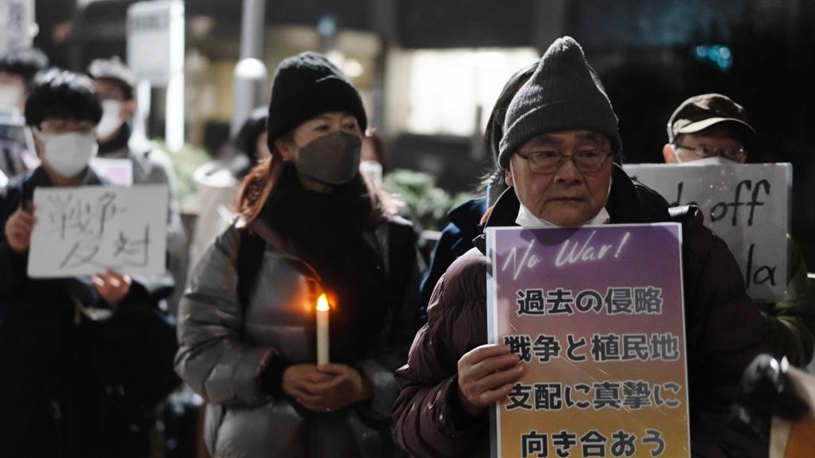
In Tokyo, Japanese protesters gathered to condemn Prime Minister Takaichi's silence on the U.S. strikes, highlighting growing unease over the incident's implications for international stability. According to Xinhua reports published on January 10, 2026, demonstrators criticized the Japanese leader for failing to address what they described as aggressive U.S. military intervention, urging a stronger diplomatic stance from Tokyo.
Escalating Tensions and Immediate Fallout
The sequence of events unfolded rapidly amid longstanding U.S.-Venezuela hostilities. Maduro, who has led Venezuela since 2013, faced renewed international isolation following disputed presidential elections in July 2024, where opposition leader Edmundo González claimed victory based on tally sheets from polling stations. The U.S., European Union, and several Latin American countries refused to recognize Maduro's re-election, imposing sanctions aimed at his regime and military allies.
Details on Maduro's abduction remain sparse, but its timing with the U.S. strikes has fueled speculation—though unconfirmed—of coordinated actions against the socialist government. The strikes themselves were characterized as precision operations, though specifics on targets, such as oil facilities or military sites, have not been publicly detailed by U.S. officials. The event's high severity rating underscores risks to regional security and global energy markets.
U.S. energy stocks surged post-strike, with major firms like ExxonMobil and Chevron seeing gains attributed to expectations of curtailed Venezuelan crude exports. Venezuela, a founding OPEC member, produces around 800,000 barrels per day despite years of underinvestment and sanctions, making it a key player in global oil supply. Any sustained disruption could pressure OPEC's efforts to stabilize prices, already strained by geopolitical tensions in the Middle East and slowing demand in China.
International Reactions: Focus on Japan's Response
The Xinhua report spotlighted protests in Japan, where demonstrators waved placards outside the prime minister's office, decrying Takaichi's muted response. Prime Minister Takaichi, who assumed office amid domestic political shifts, has prioritized economic recovery and regional security issues like North Korea and Taiwan. Critics argue her silence signals tacit approval of U.S. actions or reluctance to strain alliances, given Japan's heavy reliance on U.S. security guarantees.
Protesters, including members of peace advocacy groups, chanted slogans calling for Japan to uphold its pacifist constitution and condemn military aggression. "The U.S. strikes threaten global peace, and our leader must speak out," one unnamed demonstrator told reporters, as quoted in the Xinhua coverage. The protests reflect broader Asian concerns over U.S. unilateralism, especially as energy-importing nations like Japan grapple with rising oil prices.
No official statements from the Japanese government were reported in the source, but the demonstrations underscore fracturing international consensus on Venezuela.
Background: A Decade of Crisis
Venezuela's turmoil traces back to economic collapse under Maduro, triggered by plummeting oil prices in 2014, mismanagement, and U.S. sanctions imposed since 2017. Hyperinflation peaked at over 1 million percent in 2018, driving mass migration—over 7.7 million Venezuelans have fled since 2014, according to United Nations data. Maduro's government has accused the U.S. of orchestrating coups, including a 2019 failed incursion led by opposition figure Juan Guaidó, whom Washington briefly recognized as interim president.
OPEC+ production cuts have helped Venezuela regain some output, but sanctions limit exports to buyers like China and India. The 2024 election deepened divisions, with deadly protests met by government crackdowns. Maduro's abduction and the subsequent strikes mark a dramatic escalation, potentially inviting retaliation or proxy conflicts involving Russia and Iran, key Maduro backers.
Outlook Amid Uncertainty
As of January 10, 2026, the strikes' full impact on Venezuelan operations remains unclear, with no confirmed casualties or damage assessments released. OPEC countries face "significant pressure," per event analyses, as markets brace for supply shocks. U.S. officials have yet to comment publicly, but the actions align with longstanding policies to counter Maduro's alliances with adversarial powers.
Global leaders, beyond Japan's protesters, are watching closely. The European Union and Brazil have historically pushed dialogue via the Montevideo Mechanism, but military escalation could derail negotiations. Energy analysts predict short-term volatility, with Brent crude prices ticking upward.
The Venezuela crisis, now intertwined with U.S. military involvement, tests multilateral frameworks and underscores oil's enduring role in geopolitics. Further developments could reshape hemispheric relations for years to come.
(Word count: 712)






