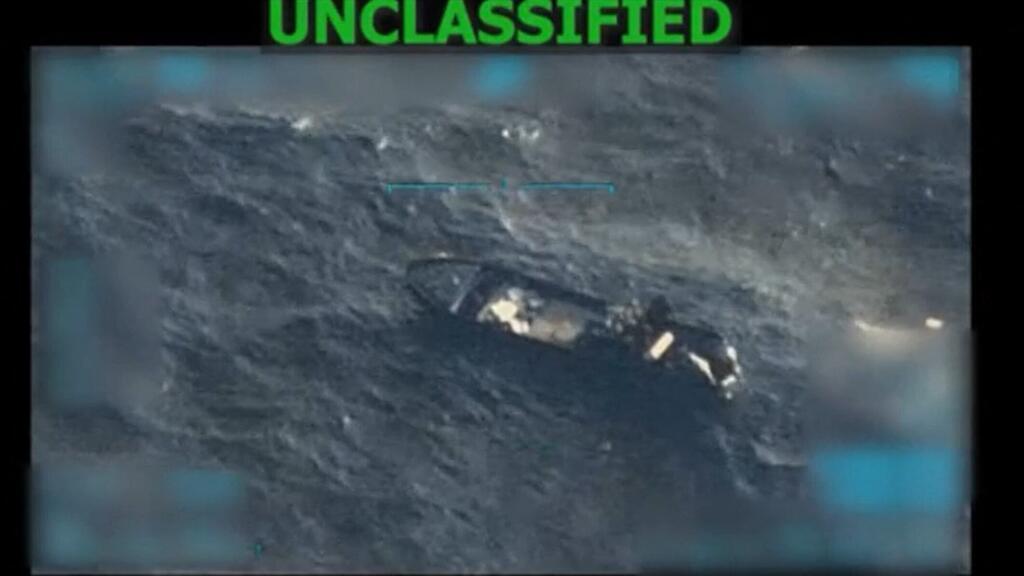

US Military Strikes Alleged Drug-Smelting Boats in International Waters, Three Killed
In a recent operation, the United States military conducted airstrikes on three boats suspected of drug smuggling in international waters, resulting in the deaths of three individuals. The strikes, carried out on December 31, 2025, form part of a broader U.S. campaign aimed at combating drug trafficking and its associated crimes, which have seen escalating violence and danger on the high seas.
According to a statement from the U.S. military, the targeted boats were identified as part of a network involved in trafficking illegal narcotics. The operation was executed with precision, utilizing advanced surveillance and intelligence to ensure that the strikes were aimed at vessels actively engaged in drug smuggling activities.
The fatalities from the strikes have raised questions and concerns regarding the legality and ethical implications of such military actions in international waters. Critics, including legal experts and human rights advocates, have expressed alarm over the potential for collateral damage and violations of international law. They argue that military strikes in international waters, particularly those resulting in loss of life, could infringe upon sovereignty and due process rights.
Human rights organizations have called for a reassessment of the U.S. approach to drug trafficking, advocating for more diplomatic and cooperative measures rather than military action that risks civilian lives. "The use of military force against suspected drug traffickers raises significant ethical and legal questions," said a representative from a leading human rights organization. "There must be accountability and transparency in how these operations are conducted."
This latest operation is part of a series of intensified efforts by the U.S. to curb drug trafficking, particularly in regions known for high levels of narcotics production and distribution. The U.S. has been actively targeting drug cartels and smuggling networks, employing a combination of military strikes, surveillance, and international cooperation.
Background
The fight against drug trafficking is a long-standing issue, particularly in areas like the Caribbean and Central America, where organizations often operate with relative impunity due to weak governmental structures and corruption. The U.S. has historically engaged in military interventions, drug eradication programs, and cooperative efforts with regional governments to combat these illicit networks.
In recent years, the situation has escalated, with drug-related violence spilling over into civilian populations, leading to humanitarian crises in some affected areas. As a result, U.S. military actions have increasingly included strikes aimed at dismantling trafficking operations before they can impact communities or reach U.S. shores.
Conclusion
As the U.S. military continues its operations against drug trafficking, the implications of these strikes on international norms and human rights remain under scrutiny. The three fatalities resulting from the December 31 airstrikes highlight the complex interplay between law enforcement and military action on the high seas. Moving forward, it is crucial for U.S. authorities to balance the need for effective drug interdiction with adherence to legal and ethical standards that protect human life and uphold international law.






