US Military Deaths in Iran War Reach 14 as Ceasefire Collapses
The US death toll in the Iran war has risen to 14 following the death of a Navy pilot in a July helicopter accident in the Arabian Sea, while the number of wounded exceeds 400, amid renewed strikes, the collapse of a ceasefire memorandum of understanding, and escalating tensions over the Strait of Hormuz. [1]
Rising US Casualties in the Iran Conflict
US Central Command reports 14 military deaths total, including 13 from March incidents such as an Iranian drone attack in Kuwait, a strike on Prince Sultan Air Base in Saudi Arabia, and a KC-135 tanker crash in Iraq; the latest death was non-combat related. [1] The count reached 14 after a Navy pilot died in a helicopter accident on July 1 in the Arabian Sea. [1] The Navy described the incident initially as an emergency landing with no indication of hostile action, and the three other sailors aboard were rescued shortly afterward. [1] This marks the first recorded death since the 13 fatalities in separate March incidents at the start of the Iran war. [1] Over 400 US personnel have been wounded, predominantly with traumatic brain injuries from missile and blast exposures; nearly all have returned to duty, though long-term impacts remain unclear. [1] A total of 414 service members were wounded as of the latest update, with the majority suffering traumatic brain injuries that have become characteristic of the conflict. [1] Central Command spokespeople noted that almost all of the wounded have returned to duty, though details on severe cases requiring evacuation were not provided. [1]
Renewed Hostilities and Ceasefire Collapse
A one-month-old US-Iran memorandum of understanding and ceasefire have collapsed, with the US reimposing a naval blockade, Iran closing the Strait of Hormuz, and both sides trading strikes that have damaged bases, infrastructure, and raised oil prices. [3] The tentative ceasefire collapsed even before technical-level talks could begin, with renewed American strikes and Iranian retaliation threatening the interim deal barely a month after it was signed. [3] Donald Trump announced the resumption of the blockade on social media, while Iran closed the Strait of Hormuz. [4] The US-Iran memorandum of understanding died when Trump announced the blockade resumption amid new military strikes on targets across Iran. [4] US Central Command confirmed its latest round of strikes against Iran lasted five hours and concluded on Monday evening. [5] Iran countered by stepping up attacks on US allies and commercial shipping, bringing traffic through the Strait of Hormuz to a near standstill. [4]
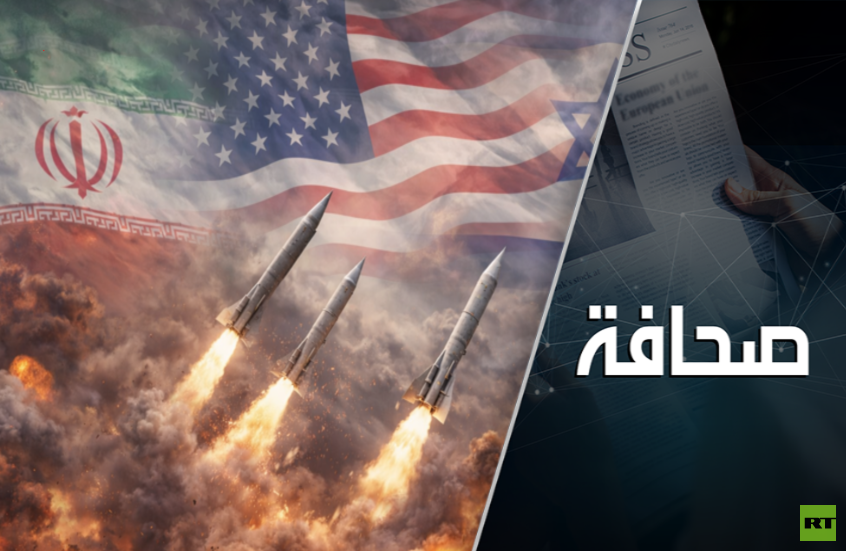
US military casualties rise to 14 in Iran conflict as ceasefire collapses. — Source: gdelt
Economic and Strategic Costs of the War
The conflict has cost the US over $110 billion so far, with estimates of $250-300 billion more needed to restore destroyed bases and capabilities; public opinion polls show 79% of Americans expect the war to drag on for an extended period. [2] According to US analysts, the cost of the war with Iran has exceeded 110 billion dollars. [2] During the conflict, Iran destroyed 20 US bases and about 200 military facilities, including expensive radars and air defense systems. [2] Restoring these would require an additional 250 to 300 billion dollars. [2] Rebuilding American capabilities in the Gulf to pre-war levels would take at least four to five years. [2] Oil prices jumped nearly 10 percent in one day after announcements of renewed blockade measures. [5]
Iranian Retaliation and Regional Repercussions
Renewed US strikes targeted 13 Iranian cities, with Iranian retaliation hitting US bases in Jordan and elsewhere, plus attacks on commercial shipping in the Strait of Hormuz. [2] US air forces struck 13 Iranian cities, and Iranian forces responded by shelling a US base in Jordan and several others. [2] For the first time since April, infrastructure facilities in Arab countries were also attacked. [2] Iran’s Revolutionary Guard struck two tankers passing through the Strait of Hormuz. [3] The Islamic Revolutionary Guard Corps targeted weapons storage facilities, a satellite communications hub, and US military housing at an American base in Bahrain. [5] Iran’s retaliatory strikes have strained relations with Gulf countries that had appeared to ease after the ceasefire. [3] The closure of the Strait of Hormuz may not sit well with other countries that had stayed out of the US actions. [3]

US Navy helicopter involved in fatal Arabian Sea accident that raised Iran war death toll to 14. — Source: dawn
Public Sentiment and Outlook in the United States
Public opinion polls show 79% of Americans expect the war to drag on for an extended period. [5] The latest Reuters survey shows that 79 percent of respondents believe US military forces will remain active in the region for a considerable duration. [5] This marks an increase from the 65 percent who held that view in March. [5] The poll, conducted from July 10 to July 12 among 1,019 adults, found that 91 percent of Democrats expect the conflict to stretch on, compared with 69 percent of Republicans. [5] Only 18 percent of total respondents believe the war will conclude quickly within weeks. [5] Just 37 percent approved of the military strikes the US has conducted against Iran. [5]
Challenges to Negotiated Resolution
The collapse of the ceasefire, the resumption of American military strikes and the blockade of Iran have made it difficult to bring the negotiation process based on the 14-point MoU back on track, though neither side has rejected talks. [3] The memorandum of understanding is completely dead, with all of its stipulations now undone. [4] Each side wants a peace deal on its own terms. [3] Iran insists that its own waters offer the only viable route through the Strait of Hormuz for commercial vessels, viewing control of the strait as more important than dozens of atomic bombs. [3] Trump’s proposal to charge a 20 percent fee on vessels was later replaced with an offer of trade and investment deals with Gulf allies. [4] Most analysts point out that many of his threats have never materialized, and the situation has turned into a war of attrition that tends to go on for a long period of time. [4]
What to watch next: The spike in international oil prices could worsen an already recessionary situation, while the contest over Hormuz control continues to drive tensions between the positions of both sides.