
Kuwait Air Defenses Respond to Drone Attacks as Gulf Escalation Intensifies
Escalating military actions across the Gulf and Strait of Hormuz have triggered air defenses in Kuwait and Bahrain, renewed U.S. naval blockade of Iranian ports, Houthi-Saudi aerial clashes, and attacks on commercial tankers that killed an Indian seafarer.
Gulf Air Defenses Activated
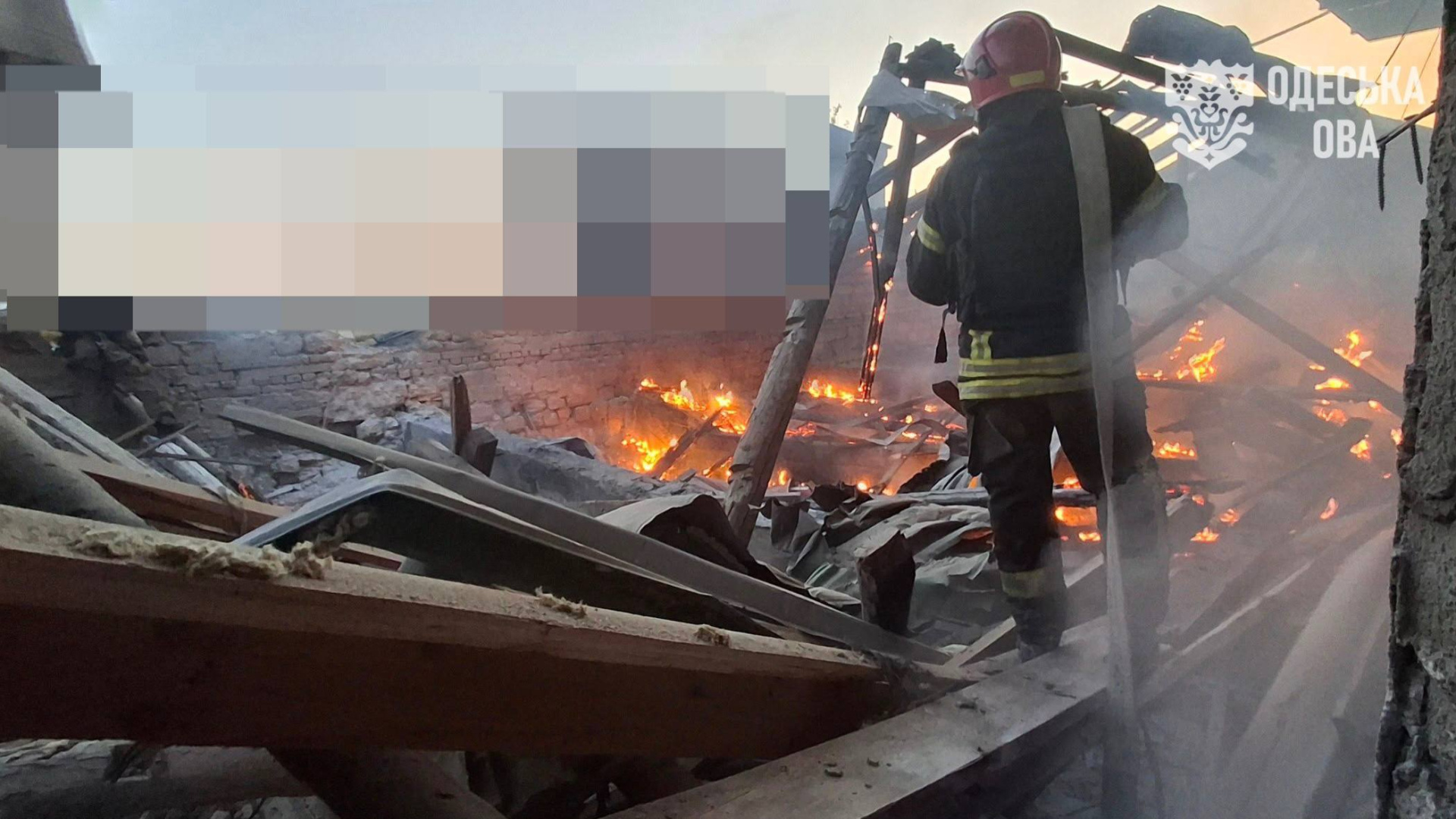
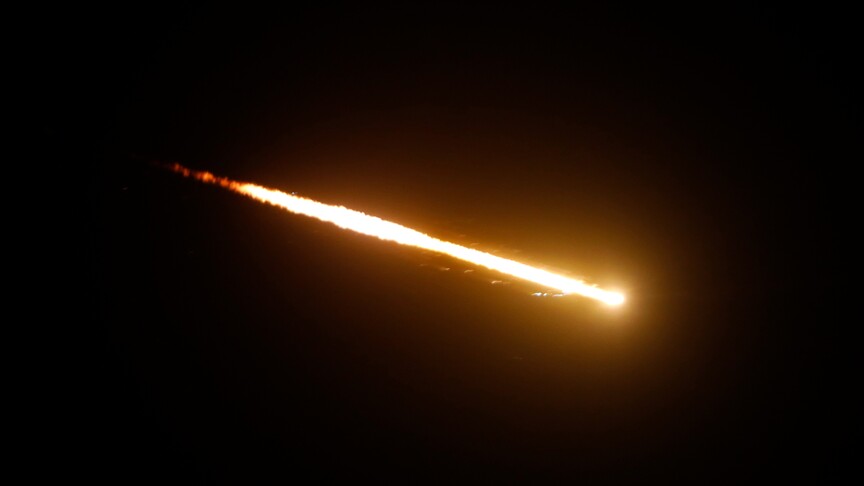
Kuwait says its air defenses responding to ‘hostile’ drone attacks [1]. Bahrain also sounds air raid sirens as military escalation across Gulf intensifies [1]. These activations occurred amid broader reports of intensifying military activity spanning the Gulf region, with Kuwait explicitly describing the drone threats as hostile in nature [1]. The responses highlight immediate defensive measures taken by the two Gulf states as tensions rose, without further elaboration on specific outcomes of the engagements in available reports [1].
Houthi-Saudi Aerial Exchange
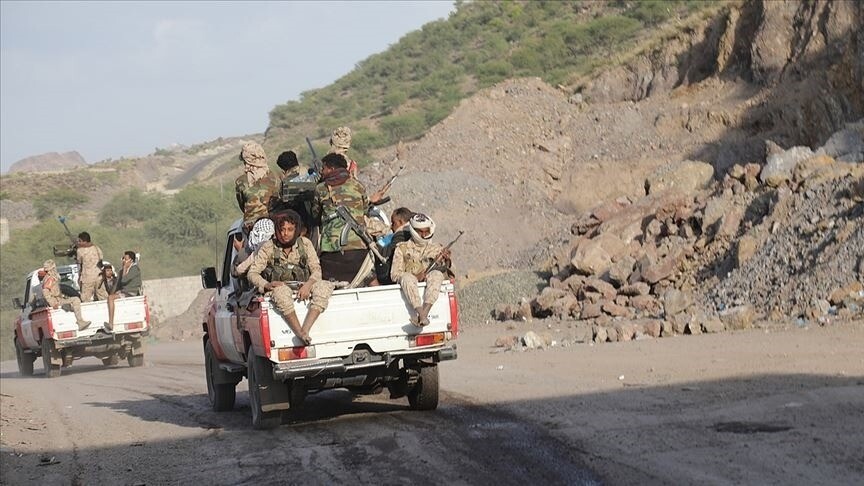
On Monday (13/7/2026), Houthi launched missiles and drones at Abha International Airport in Saudi Arabia [2]. The attack was claimed as retaliation for an airstrike that struck Sanaa International Airport on the same day, with Houthi accusing Saudi Arabia of being behind the strike [2]. No casualties were reported in the Abha incident [2]. The confrontation marks the most serious between the two sides in several years [2].
Tension originated from an Iranian flight carrying Houthi delegates to Tehran for the funeral of Supreme Leader Ayatollah Ali Khamenei [2]. Houthi accused Saudi Arabia of obstructing the flight's return to Yemen on Monday and of striking Sanaa Airport to prevent its landing [2]. The plane was diverted to another airport and landed safely [2]. Yemen's internationally recognized government, led by Chairman of the Presidential Leadership Council Rashad al-Alimi, rejected Iran's request to repatriate the Houthi delegation [2]. Al-Alimi accused Houthi of accepting the Iranian flight “outside the legal and sovereignty framework governing civil aviation” [2]. Houthi military spokesman Brigadier General Yahya Saree stated the group is ready to confront any violation of Yemeni airspace [2]. Houthi also claimed to have shot down a Saudi reconnaissance plane over Al Bayda province in central Yemen early Tuesday [2].
Analyst Ahmed Nagi of the International Crisis Group assessed that the conflict is not solely triggered by the Iranian flight but reflects Saudi Arabia and the Yemeni government's view of direct Iran-Houthi flights as an attempt by Houthi to seize control of Yemen's airspace [2]. Since 2015, the Saudi-led coalition has imposed air and sea restrictions to pressure Houthi [2]. Houthi has sought to open international flights without coalition approval [2].
Attacks on Commercial Tankers
Attacks struck the Emirati oil tankers MT Al Bahiyah and MT Mombasa during their transit through the Strait of Hormuz on Tuesday [3]. The vessels were hit by Iranian cruise missiles, according to the UAE defence ministry [3]. The Islamic Revolutionary Guard Corps stated that two “offending” supertankers were hit and disabled after ignoring repeated warnings [3]. Of the 12 Indian nationals onboard MT Al Bahiyah, one has tragically lost his life and another has been injured [3]. Both vessels carried 30 Indian seafarers among their combined crew of 46 [3]. Two additional crew members were critically injured overall [3].
India summoned the Iranian deputy chief of mission to lodge a strong protest against the attacks [3]. The government urged de-escalation and sought an immediate end to attacks on commercial vessels [3]. The ministry strongly condemned the attacks and acts of violence targeting seafarers and disrupting free and safe navigation through international waterways like the Strait of Hormuz [3]. It reiterated India’s deep concern over the resumption of attacks and escalation of hostilities in West Asia, calling for immediate cessation of violence and a return to dialogue and diplomacy [3]. The Indian mission in the UAE is closely monitoring the situation and remains in touch with local authorities to ensure assistance to affected Indian seafarers [3]. Attacks on commercial vessels have intensified since the renewal of US-Iran hostilities [3].
U.S. Reimposes Naval Blockade
U.S. President Donald Trump on Tuesday reimposed a naval blockade of all Iranian ports [5]. The U.S. also began a fresh round of strikes “to continue degrading Iranian capabilities used to attack commercial shipping in the Strait of Hormuz,” according to the U.S. military [5]. Trump threatened to hit power plants and bridges next week unless Tehran resumes negotiations [5]. Tehran says it has again closed the strait after hostilities between Iran and the U.S. reignited last week, fraying an already fragile truce reached in June [5]. The June truce followed several months of fighting that has killed thousands [5].
Regional Conflict Background
Yemen is still attempting to recover from a civil war that has raged since 2014, which has destroyed infrastructure, divided the country, and left millions facing hunger and humanitarian crisis [2]. The latest Houthi-Saudi confrontation stems from the dispute over the Iranian flight [2]. Since Feb 28, when the West Asia conflict broke out, 13 Indians have been killed and three are missing, according to government sources [3]. The ministry extended condolences to the family of the deceased Indian seafarer [3]. In particular, the targeting of commercial shipping and civilian infrastructure in the region must cease in order that free and unimpeded navigation and commerce through international waterways in the region, in keeping with international law, can be restored at the earliest [3].
What to watch next: The U.S. has threatened further strikes on power plants and bridges unless Tehran resumes negotiations, while India continues monitoring the situation for affected seafarers and calls for de-escalation.