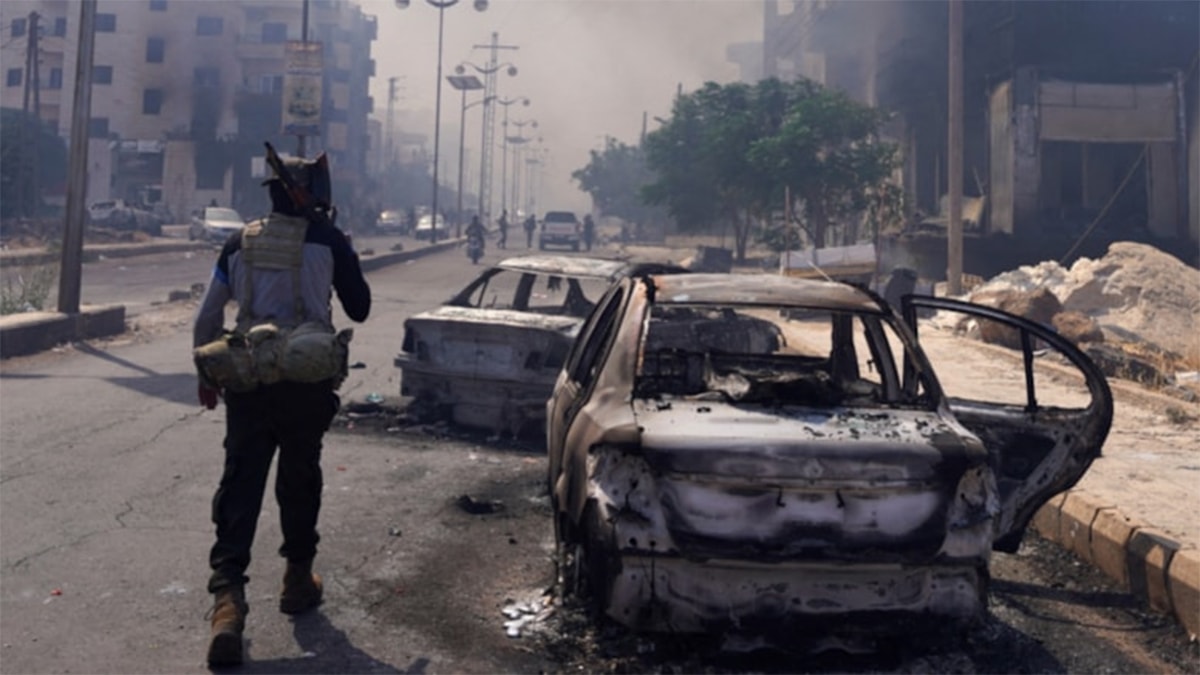

US-Led Operations Target ISIS Remnants in Syria Amid Escalating Syrian Army-YPG Clashes
Eastern Syria — United States and partner forces carried out precision operations against Islamic State (ISIS) operatives in Syria on December 31, 2025, resulting in the death or capture of 25 militants, according to event tracking data. These strikes occurred against a backdrop of ongoing hostilities between Syrian government forces and Kurdish-dominated militias affiliated with the People's Protection Units (YPG), which Turkish media described as continuing into early January 2026.
The US operations, rated as medium severity by global conflict monitors, underscore the persistent threat posed by ISIS sleeper cells in Syria's eastern deserts, particularly in areas controlled by the US-backed Syrian Democratic Forces (SDF). The actions took place at approximately 09:12 GMT, targeting ISIS elements that have sought to regroup following the territorial defeat of their so-called caliphate in 2019. No civilian casualties or US personnel losses were reported in the immediate aftermath.
Meanwhile, reports from Turkish outlet Sözcü, published on January 7, 2026, highlight sustained clashes between the Syrian Arab Army (SAA) — loyal to President Bashar al-Assad — and forces linked to the Kurdistan Workers' Party (PKK) and YPG. The article frames the confrontations as an ongoing battle against what it terms a "terrorist organization," with fighting reported in northern and eastern Syria. Specific locations were not detailed in the summary, but such engagements typically occur in regions like Deir ez-Zor, Hasakah, and Aleppo provinces, where control remains contested.
These parallel conflicts reflect Syria's fragmented security landscape more than a decade into its civil war. The US maintains a limited troop presence, numbering around 900 personnel as of late 2024, primarily to counter ISIS resurgence and secure oil fields in the northeast. The SDF, spearheaded by the YPG — the Syrian affiliate of the PKK, designated a terrorist group by Turkey, the US, and the EU — has been a key partner in these efforts. However, the SAA and its allies, including Russian forces and Iran-backed militias, view the YPG's semi-autonomous administration in Kurdish-held areas as a direct challenge to Damascus's sovereignty.
Historical Context
Syria's conflict erupted in 2011 as pro-democracy protests evolved into a full-scale war, drawing in regional and global powers. ISIS seized vast territories by 2014, declaring a caliphate that prompted a US-led international coalition to intervene with airstrikes and special operations. By March 2019, ISIS lost its last stronghold in Baghouz, but the group has since shifted to insurgency tactics, launching sporadic attacks and recruiting from detention camps holding tens of thousands of fighters and families.
The YPG's role has been pivotal yet divisive. As the backbone of the SDF, it received extensive US support to combat ISIS, capturing key oil-rich areas like the Deir ez-Zor fields. However, Turkey accuses the YPG of pursuing PKK goals of Kurdish separatism, leading to multiple Turkish incursions, including Operations Olive Branch (2018) and Peace Spring (2019). Assad's forces, bolstered by Russian airstrikes since 2015, have reclaimed most of Syria but maintain an uneasy status quo with the SDF in the northeast.
Recent developments align with patterns of heightened tensions. In 2024, ISIS claimed responsibility for several bombings in SDF areas, prompting intensified coalition patrols. SAA-YPG frictions have flared periodically, often tied to water disputes along the Euphrates or advances by pro-government militias. The December 31 US strikes fit into routine counterterrorism missions, similar to those reported throughout 2024-2025, where coalition forces eliminated dozens of ISIS leaders via drone strikes and ground raids.
Details and Implications
Event data specifies the US-partner operations neutralized 25 ISIS operatives through a combination of lethal and non-lethal means, though tactical details remain classified. This follows a string of similar actions; for instance, in October 2024, US Central Command reported killing an ISIS facilitator in the same region.
On the SAA-YPG front, the Sözcü report indicates clashes "continue," suggesting no resolution as of early 2026. Turkish perspectives emphasize the PKK/YPG threat, with Ankara conducting cross-border operations against affiliated groups. Syria's government has accused the YPG of collaborating with US forces to hoard resources, while the SDF counters that Damascus seeks to undermine anti-ISIS gains.
International monitors, including the Global Database of Events, Language, and Tone (GDELT), track these incidents in real-time, noting spikes in violence indicators. The UN has repeatedly called for de-escalation, warning of humanitarian fallout in a country where over 16 million people require aid.
Outlook
As Syria navigates fragile ceasefires and power balances, the convergence of ISIS remnants and territorial disputes risks broader escalation. Coalition forces have signaled sustained commitment to preventing ISIS revival, while diplomatic channels — including Astana talks involving Turkey, Russia, and Iran — aim to stabilize frontlines. No immediate statements from Damascus, Washington, or the SDF were available on these specific events, but ongoing monitoring suggests volatility persists in Syria's multi-front conflict arena.
(Word count: 712)






