
US Launches Fifth Day of Strikes Targeting Iranian Sites Near Hormuz
The United States launched its fifth straight day of strikes on Iran on Wednesday, targeting coastal defense systems, missile infrastructure, and sites on Greater Tunb Island to degrade Iranian capabilities threatening commercial shipping in the Strait of Hormuz. The latest Iran strikes mark continued US military operations aimed at holding Iran accountable.
US Conducts Fifth Day of Strikes on Iranian Military Targets
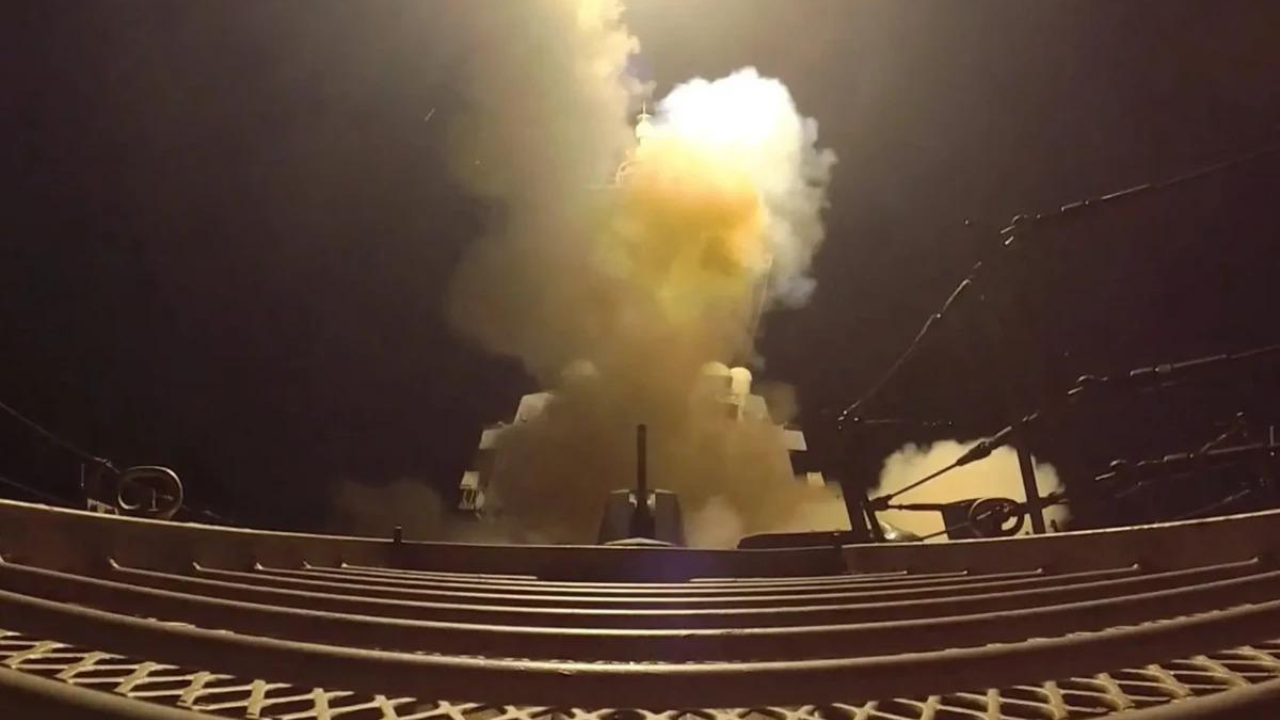
US Central Command conducted an initial wave of strikes at 6 a.m. ET on Greater Tunb Island against coastal defense systems and cruise missile storage and launch sites, completing the operation in about 90 minutes. [5] A second wave of strikes at 3 p.m. ET targeted additional military sites. [1] The strikes are designed to further degrade military capabilities Iranian forces have used to attack commercial shipping in the Strait of Hormuz. [2] US Central Command said the military had attacked coastal defense systems and cruise missile storage and launch sites on Iran's Greater Tunb Island starting around 6 a.m. EDT, and had completed the wave of strikes within around 90 minutes. [2] The new strikes focused on Iranian military capabilities used to threaten vessels freely transiting through the Strait of Hormuz. [1] US Central Command forces began launching an additional round of strikes against Iran at 3 p.m. ET. [1]
Explosions Reported Across Southern Iran
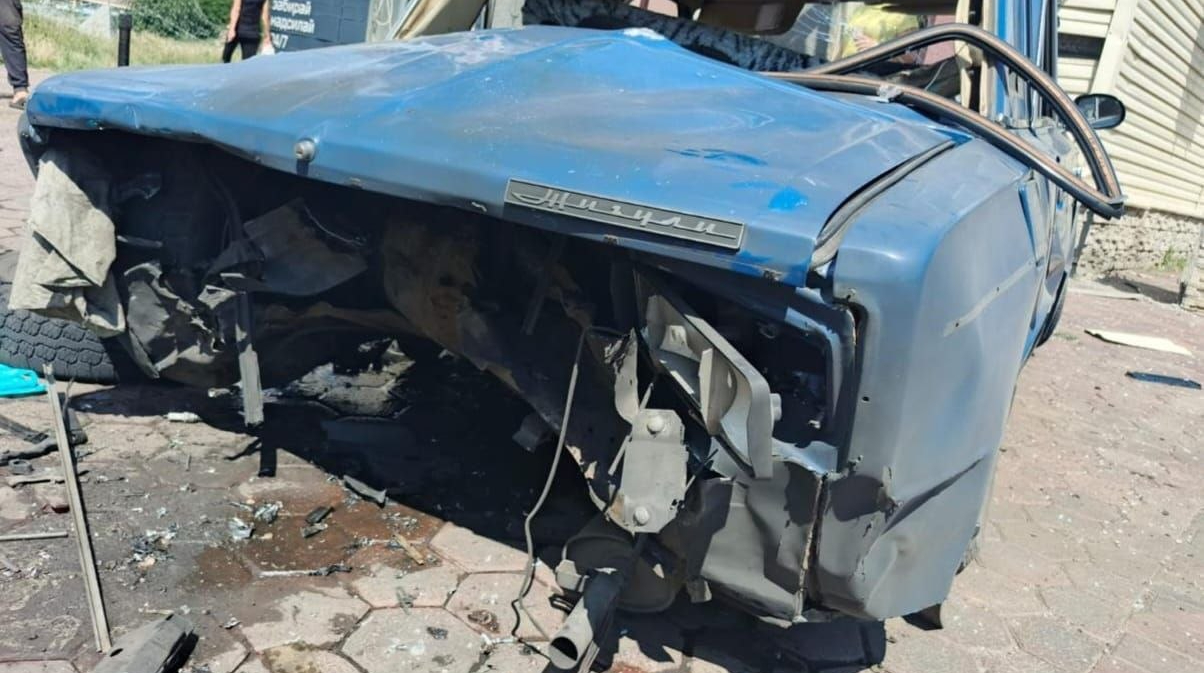
Iranian media reported explosions at multiple locations following the US attacks. [1] Iran's Mehr News Agency said US projectiles struck a location near Bandar Abbas, while three explosions were heard in Chabahar. [1] The agency also reported explosions in Ahvaz after Centcom announced the fresh round of strikes. [1] Iran's Tasnim news agency said explosions were heard in Konarak city. [2] Iranian state broadcaster IRIB reported the US attacks struck near a hospital in Ahvaz that houses a pediatric cancer center, forcing the temporary evacuation of the hospital. [2] Families have come out to the streets around the hospital to care for their children, IRIB said. [2] Following the latest round of strikes, Iran's Mehr news agency said four locations around the city of Ahvaz came under attack, just inland from the northern end of the Persian Gulf, as did Bandar Abbas. [2]

US strikes target Iranian coastal defenses and missile sites on Greater Tunb Island. — Source: jerusalempost
Iran Declares Existential War and Threatens Wider Disruptions
Iran's parliament speaker Mohammad Baqer Qalibaf described the conflict as an "essential and existential war" with America. [1] He added that Iran's security depended on maintaining what he described as "Iranian arrangements" in the Strait of Hormuz. [1] Iran's Islamic Revolutionary Guard Corps also threatened to expand the conflict by targeting additional regional energy export routes, warning that the United States "must brace for the closure of all other export corridors that benefit the U.S. and its allies". [1] Analysts cited by Reuters said Tehran appeared to be signalling it could use its Houthi allies in Yemen to threaten shipping through the Bab el-Mandeb Strait. [1] The Islamic Revolutionary Guard Corps said on Wednesday it had struck US military targets in the region, including in Bahrain, Kuwait and Jordan. [2] Kuwait said its armed forces intercepted four missiles and 21 drones from Iran on Wednesday, but that no injuries or material damage were reported. [2]
Trump Presses Iran to Resume Negotiations
US President Donald Trump continues to pressure Iran to return to negotiations. [1] On Tuesday, Trump warned that the United States could target Iranian energy infrastructure and bridges if Tehran refused to resume talks. [1] "I'll save the energy targets for last, but ultimately we'll hit energy targets," Trump said. [1] Asked on Wednesday whether Iran had a deadline before the US began attacking bridges, Trump replied: "I don't like giving deadlines, but they pretty much know, they know the story ... they better behave." [1] US negotiators had informed their Iranian counterparts that "you better make a deal". [1] Iranian foreign ministry spokesperson Esmaeil Baghaei said Tehran had no plans to return to negotiations and remained focused on defending the country. [1] "We have no plans for negotiations at the moment and are focused on defence," Baghaei was quoted as saying by Iran's Tasnim news agency. [1]
Strait of Hormuz Closure Drives Oil Price Surge
The confrontation has intensified since Iran announced over the weekend that it had closed the Strait of Hormuz, one of the world's busiest energy chokepoints through which roughly one-fifth of global oil and gas shipments passed before the conflict. [1] Shipping traffic through the waterway has since fallen sharply, while Brent crude settled at a one-month high of $84.95 a barrel on Wednesday, according to Reuters. [1] The latest escalation comes days after a fragile truce collapsed. [2] Hostilities have intensified since Iran said late on Saturday it had closed the Strait of Hormuz. [2] Military operations are also keeping ships from transiting the vital artery, which carried about a fifth of global oil and gas shipments before the war. [2] Brent crude oil, the international benchmark, closed at a one-month high at $84.95 a barrel on Wednesday. [2]
Interim Ceasefire Collapses Amid Escalation
An interim ceasefire deal signed last month was meant to lead to further negotiations, including on Iran's nuclear programme, and to a permanent truce, but a return to talks has faltered. [1] "We have no plans for negotiations at the moment and are focused on defence," Tasnim news agency quoted Iranian Foreign Ministry spokesperson Esmaeil Baghaei as saying. [2] Qalibaf, who is also speaker of Iran's parliament, said that if Iran did not benefit from its memorandum of understanding with the US, "we have no reason to adhere to such an understanding." [2] The renewed strikes have further weakened hopes of reviving the interim ceasefire agreement signed last month. [1]
What to watch next: Analysts say that while the US and Iran have gone back to sparring as they did before the interim ceasefire deal was signed, they are unlikely to return to full-scale war, though a risk of further escalation remains. [5]



:quality(30):format(webp):focal(0.5x0.5:0.5x0.5)/kaltim/foto/bank/originals/20260528_Perang-iran.jpg)