
U.S. Grapples with Tragic Accidents: Coast Guard Searches for Boat Strike Survivors as California Truck Crash Suspect's Hearing Stalls
Washington, D.C./California – January 8, 2026 – The United States is contending with a pair of high-profile accidents drawing national attention: a U.S. Coast Guard search for survivors of deadly boat strikes that began over a week ago, with rescue hopes fading, and a fatal truck collision in California where the suspect's court appearance was postponed due to a lack of a Punjabi translator.
The Coast Guard operation, classified as high severity, commenced on January 3, 2026, at 00:06 UTC, following reports of multiple boat strikes. Rescue teams are scouring waterways for potential survivors, but officials have noted that the passage of time is significantly reducing the likelihood of successful recoveries. Boat strikes, often involving collisions between vessels and swimmers, kayakers, or marine life, pose persistent risks in U.S. coastal areas, particularly during periods of high maritime traffic. The ongoing search underscores the challenges of maritime emergencies, where swift response is critical but environmental factors like currents and weather can complicate efforts.
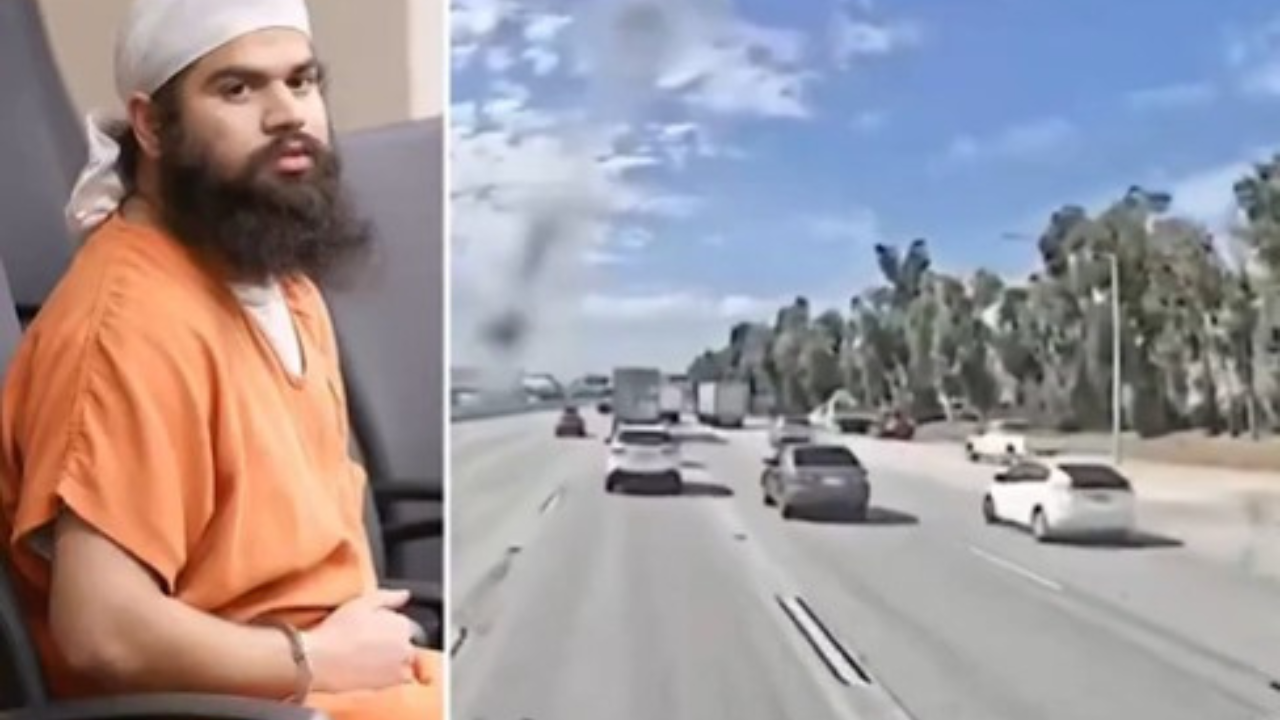
In parallel, a courtroom delay in California has highlighted procedural hurdles in a case stemming from a devastating truck accident that claimed three lives. Jashanpreet Singh, an Indian-origin truck driver, faced a scheduled court hearing that was postponed by three hours on January 7, 2026, after authorities struggled to secure a Punjabi translator. The accident involved Singh's truck striking and killing three individuals, though specific details on the location, victims, and circumstances remain limited in public reports. The delay illustrates broader issues in the U.S. judicial system regarding language access for non-English speakers, a common challenge in diverse states like California, where immigrants from South Asia form a significant portion of the trucking workforce.
Details Emerge on California Crash
According to reports from Times of India, the hearing disruption occurred as court officials awaited the arrival of a translator proficient in Punjabi, Singh's native language. This incident follows the truck's involvement in the fatal crash, which has left communities mourning the loss of three lives. California, home to some of the nation's busiest highways, records thousands of truck-related accidents annually. The National Highway Traffic Safety Administration (NHTSA) data indicates that large trucks were involved in over 5,000 fatal crashes nationwide in recent years, often due to factors like fatigue, overloading, or poor visibility.
Singh's case adds to ongoing discussions about accountability in commercial trucking, an industry reliant on immigrant labor. Punjab, in northern India, is a major source of truck drivers in the U.S., with many entering on visas or through family sponsorships. Legal experts note that interpreter shortages can occur in rural or less-prepared court districts, potentially delaying justice for victims' families. No official statements from Singh's legal team or prosecutors have been released regarding charges, which could include vehicular manslaughter or related offenses pending investigation.
Coast Guard's Urgent Maritime Hunt
Meanwhile, the U.S. Coast Guard's search for boat strike survivors represents a race against time in America's vast waterway network. Initiated early on January 3, the operation involves air and sea assets scanning for individuals potentially ejected or injured in the strikes. "Series of boat strikes" suggests multiple incidents, possibly involving recreational or commercial vessels colliding with people or objects. Survival odds diminish rapidly in water emergencies; Coast Guard statistics show that after 24-48 hours, hypothermia and exhaustion drastically lower recovery rates.
The U.S. sees hundreds of boating accidents yearly, with the Coast Guard reporting over 4,000 incidents in 2024 alone, resulting in more than 500 deaths. High-traffic areas like Florida's Intracoastal Waterway or California's bays are hotspots, exacerbated by holiday boating surges or poor lighting. This event coincides with winter conditions that could hinder visibility and rescue operations. As of January 8, no confirmed survivors or recoveries have been announced, and the search's high severity rating reflects the potential for multiple casualties.
Broader Context of U.S. Accident Trends
These incidents occur amid rising concerns over transportation safety in the U.S. Road fatalities hit a record high in recent years, per NHTSA, while boating mishaps persist despite regulatory efforts like mandatory life jacket laws. California, with its 400,000 miles of highways, leads in truck crashes, while coastal states bear the brunt of maritime risks. Federal agencies like the Coast Guard and NHTSA emphasize prevention through education, technology like collision-avoidance systems, and enforcement.
The translator delay in Singh's case also spotlights equity in the justice system. The U.S. Courts provide guidelines for language services under Title VI of the Civil Rights Act, but implementation varies. In 2023, federal courts handled over 100,000 cases requiring interpreters, with shortages noted in high-immigration areas.
Outlook and Implications
As the Coast Guard search continues, diminishing hopes place pressure on investigators to determine causes, potentially leading to safety recommendations. In California, Singh's rescheduled hearing may proceed soon, but it serves as a reminder of logistical challenges in multicultural courtrooms. Families of the truck crash victims await closure, while maritime communities brace for updates on the boat strike probe.
Authorities urge heightened vigilance: truckers to adhere to hours-of-service rules, and boaters to use AIS transponders and maintain safe speeds. These events, though unrelated, highlight the fragility of daily travel in a nation where accidents claim thousands of lives annually.
(Word count: 712)