
U.S. Grapples with Aftermath of Deadly Shootings: Brown University Launches Healing Initiative, Minneapolis Tensions Escalate Over ICE Incident
Providence, RI, and Minneapolis, MN – In the wake of two high-profile shooting incidents, institutions and officials across the United States are responding to violence that has left communities reeling. Brown University has announced a comprehensive healing and recovery initiative following a deadly December shooting on its campus, while a fatal confrontation involving Immigration and Customs Enforcement (ICE) agents in Minneapolis has sparked controversy, investigations, and calls for calm from Governor Tim Walz.
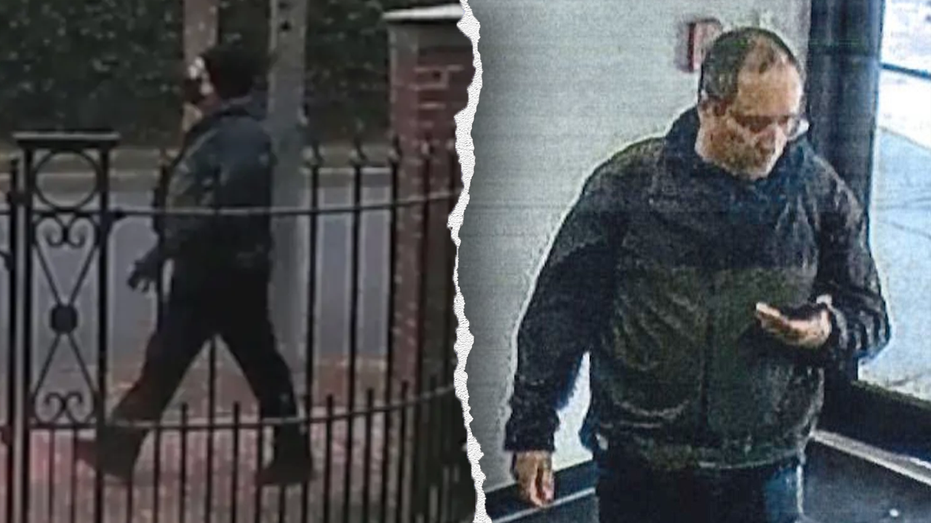
The Brown University shooting, which occurred in December 2025, resulted in two deaths and nine injuries, according to federal authorities. Newly released transcripts and videos of the shooter, obtained by Fox News, reveal that the perpetrator confessed to meticulously planning the attack. Experts cited in the reporting described the footage as demonstrating "awareness and planning," underscoring the premeditated nature of the violence. The incident shocked the Ivy League institution, known for its academic prestige and progressive campus culture, prompting immediate security reviews and community support measures.
On January 7, 2026, Brown University escalated its response by launching a formal "Healing Initiative." The plan, described as a structured recovery effort, will be led by a Diversity, Equity, and Inclusion (DEI) official. University administrators have emphasized the initiative's focus on trauma-informed support, mental health resources, and rebuilding trust among students, faculty, and staff. This approach aligns with broader trends in higher education, where campuses increasingly integrate DEI frameworks into crisis response following mass violence events. While details on the timeline and specific programs remain forthcoming, the move signals a long-term commitment to addressing both immediate grief and underlying vulnerabilities exposed by the shooting.
In Minneapolis, a separate shooting incident involving ICE has fueled public outrage and drawn national attention. The event centers on the death of Renee Nicole Good, a protester whose fatal shooting by ICE agents has become a flashpoint amid ongoing debates over immigration enforcement. According to reports from Times of India, the controversy stems from conflicting accounts between ICE officials and local authorities regarding the circumstances of the shooting.
Tensions boiled over days after the incident, when video footage captured a group of Minneapolis women taunting ICE agents. The recording shows agents issuing stern warnings, with one stating, "don't make a bad decision," as the women responded defiantly and urged non-interference. The exchange highlights the volatile atmosphere surrounding federal immigration operations in the city, a recurring site of protests against ICE policies under both Democratic and Republican administrations.
Minnesota Governor Tim Walz responded swiftly on January 7, 2026, urging residents to remain calm as investigations proceed. "We need to let officials do their work without escalating further," Walz stated in remarks covered in initial event reports. The governor's call comes as local leaders demand transparency from ICE, which has defended its agents' actions as necessary for officer safety during the initial confrontation.
Background and Context
The Brown University shooting adds to a somber tally of campus violence in the U.S., where institutions like Virginia Tech (2007, 32 killed) and Uvalde's Robb Elementary (2022, 21 killed) have set precedents for post-tragedy recovery. Brown's decision to appoint a DEI leader reflects evolving institutional strategies, prioritizing inclusive healing processes amid criticisms that such offices sometimes prioritize ideology over practical security. Federally released evidence in the case, including the shooter's confessions, may inform future prevention efforts, potentially influencing campus policy nationwide.
In Minneapolis, the ICE-related shooting echoes prior clashes, such as the 2020 George Floyd protests that saw federal intervention and heightened scrutiny of law enforcement tactics. ICE, part of the Department of Homeland Security, has faced accusations of excessive force in immigration enforcement operations, particularly in sanctuary cities like Minneapolis. The death of Renee Nicole Good has reignited discussions on protester rights, agent accountability, and the militarization of immigration policing. Ongoing probes by state and federal entities aim to reconcile discrepancies in eyewitness accounts and official narratives.
Broader Implications and Outlook
These incidents underscore persistent challenges in American public safety: gun violence on campuses and flashpoints at enforcement-protest intersections. Nationally, the U.S. recorded over 40,000 gun deaths in 2025 per Centers for Disease Control data, with mass shootings comprising a fraction but dominating headlines. Both cases highlight the role of video evidence in shaping public perception—Brown's planning confessions via transcripts and Minneapolis' taunting footage amplifying calls for accountability.
As investigations continue, Brown University's healing efforts may serve as a model for trauma recovery, while Minneapolis awaits clarity on the ICE shooting. Governor Walz's plea for restraint suggests a delicate balance to prevent further escalation. Stakeholders from educators to civil rights advocates will watch closely, as resolutions could influence policy on campus security, immigration enforcement, and community-police relations in 2026 and beyond.
(Word count: 712)






