
U.S. Forces Capture Maduro in High-Profile Operation in Venezuela
In a dramatic escalation of U.S. involvement in Venezuelan affairs, American military forces captured President Nicolás Maduro on January 3, 2026, during an operation dubbed "Absolute Resolve." This significant development marks a pivotal moment in the ongoing crisis in Venezuela, which has been characterized by political turmoil and economic collapse in recent years.
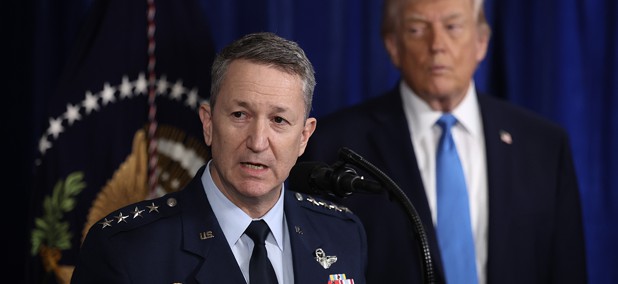
President Donald Trump announced the capture, emphasizing that the operation resulted in "few injuries reported and no U.S. deaths." The details surrounding the operation were revealed in a press conference held by the U.S. Joint Chiefs of Staff, who described the multifaceted military undertaking as "precise" and "unprecedented" in scale.
The operation involved a coordinated assault that reportedly utilized around 150 aircraft, highlighting the extensive resources dedicated to the mission. The Joint Chiefs chair explained that the objective was to restore democratic governance in Venezuela, which has been under Maduro's authoritarian rule since 2013. The operation was characterized by its speed and effectiveness, with U.S. forces swiftly engaging with Maduro's security apparatus.
Background and Context
Venezuela has been embroiled in a political crisis for several years, largely stemming from economic mismanagement, corruption, and widespread poverty. The situation has worsened since Maduro's controversial re-election in 2018, which was widely condemned as fraudulent by both domestic and international observers. In recent years, opposition leader Juan Guaidó emerged as a key figure, declaring himself interim president in early 2019 with the backing of multiple Western nations, including the United States.
Tensions escalated as Maduro's regime faced increasing pressure from both domestic protests and international sanctions. The U.S. has long considered Maduro's government illegitimate, and the Trump administration has implemented various strategies aimed at destabilizing it, including economic sanctions and support for opposition groups.
Implications of the Capture
The capture of Maduro could have profound implications for Venezuela and the broader region. U.S. officials suggest that this operation may pave the way for a transitional government that could restore democratic institutions. Analysts predict that the outcome of this capture could either lead to a swift resolution to the Venezuelan crisis or potentially incite further violence and instability, particularly among Maduro loyalists and the military.
The response from Maduro's supporters has yet to unfold, but the potential for unrest remains a significant concern. The military's reaction will be critical in determining the future political landscape in Venezuela.
Conclusion
The capture of Nicolás Maduro marks a significant turning point in Venezuelan politics and U.S.-Latin American relations. As the Biden administration continues to navigate the complexities of this situation, the world watches closely. The potential for both positive change and further conflict looms large, underscoring the delicate balance in transitioning Venezuela back to a democratic government. As developments unfold, the focus will shift to the next steps in this extraordinary military and political maneuver.






