
US Faces Multiple High-Profile Accidents: Coast Guard Searches for Boat Strike Survivors Amid California Truck Crash Aftermath
Washington, D.C./California – January 8, 2026 – The United States is grappling with the fallout from two significant recent accidents: a U.S. Coast Guard search and rescue operation for survivors of deadly boat strikes that began on January 3, and a fatal truck collision in California that has led to a suspect's court hearing being delayed due to translation issues. As search efforts for potential boat strike victims wane with diminishing hopes, legal proceedings in the truck case highlight challenges in accommodating non-English speakers in the justice system.
The U.S. Coast Guard launched a high-severity search operation on Saturday, January 3, 2026, at 00:06 UTC, following a series of boat strikes. Officials are scouring the waters for any survivors, though prospects are fading as time progresses. Boat strikes, often involving vessels colliding with swimmers, kayakers, or other watercraft, represent a persistent hazard in U.S. waterways. The Coast Guard's response underscores the urgency of such incidents, deploying air and surface assets to cover expansive search areas. No further details on the location, number of strikes, or confirmed casualties have been released, but the operation's classification as "HIGH" severity indicates significant resources are committed.
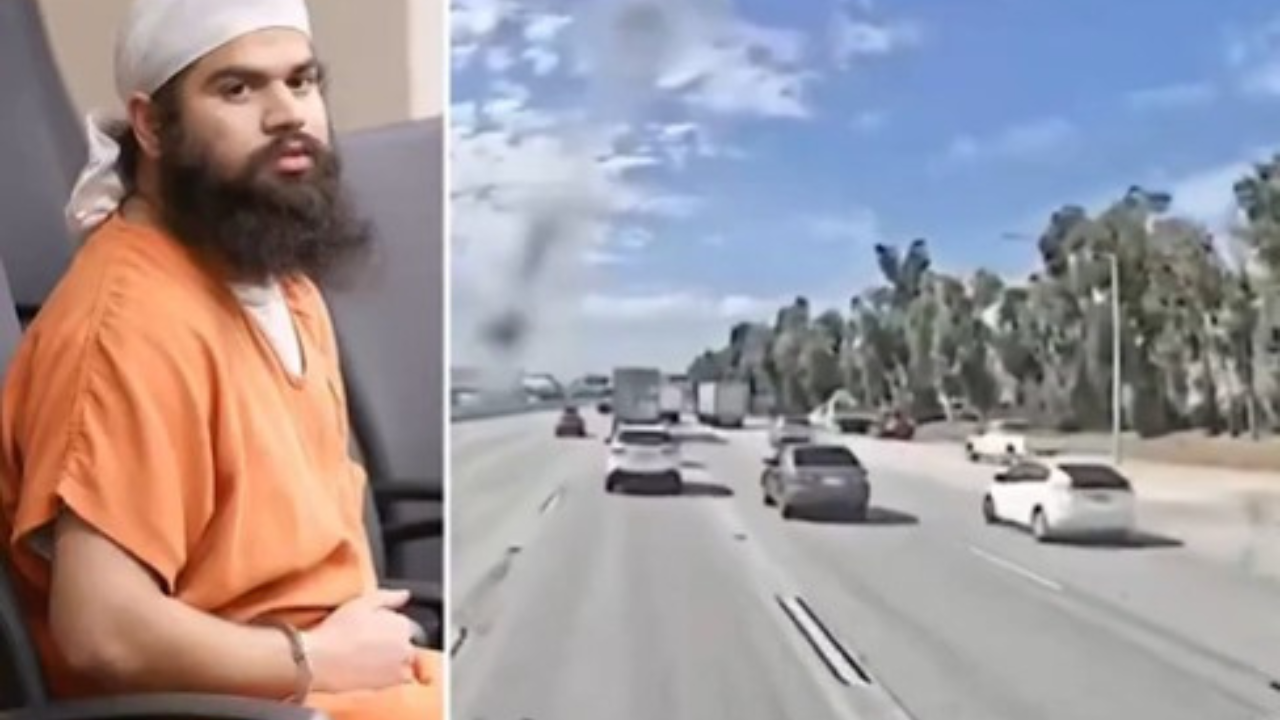
In parallel, a tragic truck accident in California has drawn attention to road safety and courtroom logistics. Jashanpreet Singh, an Indian-origin truck driver, faced a court hearing on Wednesday, January 7, 2026, that was postponed by three hours due to the unavailability of a Punjabi translator. Singh's vehicle was involved in a collision that resulted in the deaths of three individuals. The delay highlights broader issues in the U.S. judicial system regarding language access for immigrant communities, particularly in states like California with large South Asian populations.
Court proceedings resumed after the translator arrived, but specifics on charges, the exact date of the accident, or investigative findings remain limited in public reports. The incident adds to California's ongoing concerns over commercial trucking safety. According to National Highway Traffic Safety Administration (NHTSA) data, large trucks were involved in over 5,000 fatal crashes nationwide in 2024, with California consistently ranking among the top states for such incidents due to its dense highway networks and freight volume.
Background on U.S. Accident Trends
Maritime accidents like boat strikes have plagued U.S. waters for years. The U.S. Coast Guard's annual recreational boating statistics report that operator inattention, improper lookout, and excessive speed contribute to most collisions. In 2024, boating fatalities exceeded 500, with strikes accounting for a notable portion. High-profile cases, such as the 2019 Hudson River ferry crash or recent whale strikes off the East Coast, illustrate the risks. Search windows typically narrow after 48-72 hours due to survival limits in water, aligning with the diminishing hopes noted in the current operation.
On roadways, truck-related fatalities have risen post-pandemic amid supply chain pressures. The Federal Motor Carrier Safety Administration (FMCSA) mandates electronic logging devices and hours-of-service rules to combat fatigue, a factor in many crashes. Immigrant drivers, including those from Punjab who form a significant portion of California's trucking workforce, often face language barriers in licensing, training, and legal proceedings. Advocacy groups like the Immigrant Legal Resource Center have pushed for expanded translation services, citing due process rights under the Civil Rights Act of 1964.
These events occur against a backdrop of heightened safety scrutiny. The Coast Guard's 2025 budget includes $13 billion for search and rescue enhancements, including drones and AI-assisted pattern recognition. Meanwhile, California's Department of Motor Vehicles has piloted Punjabi-language testing since 2023, yet courtroom accommodations lag.
Ongoing Developments and Implications
As of January 8, the Coast Guard search continues, though survival odds decrease hourly. Officials urge boaters to maintain vigilance and report sightings. In California, Singh's case proceeds, with potential charges including vehicular manslaughter pending further evidence. Families of the victims await justice, while the episode prompts questions about systemic preparedness for diverse populations.
These accidents serve as stark reminders of vulnerabilities in America's transportation networks—whether on water or highway. Enhanced training, technology, and inclusive policies could mitigate future risks, as federal agencies review protocols in response.
(Word count: 612)