
U.S. Exits India-Led International Solar Alliance in Bold 'America First' Pivot on Global Climate Cooperation
Washington, D.C. – The United States formally withdrew from the India-led International Solar Alliance (ISA) on January 8, 2026, marking a significant recalibration of American involvement in multilateral climate initiatives under President Donald Trump's second administration. The move, described as a rejection of "international bureaucracies," aligns with a broader State Department declaration that the U.S. will no longer issue "blank checks" to global organizations, signaling a return to an "America First" foreign policy framework.
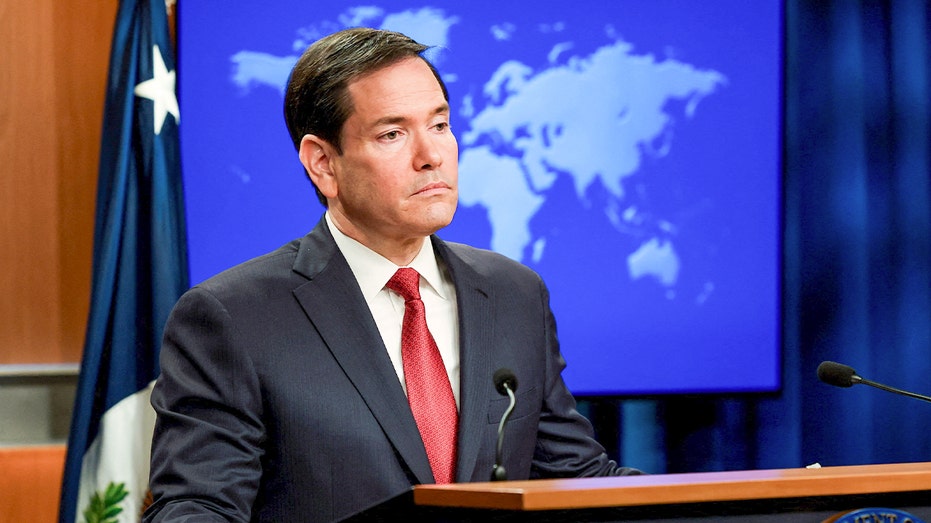
The withdrawal was announced amid escalating rhetoric from top U.S. officials emphasizing national sovereignty over international commitments. Secretary of State Marco Rubio, in a statement on January 10, 2026, underscored the administration's stance, declaring that the era of unchecked U.S. funding for global entities has ended. "America First means global bureaucracies will no longer get blank checks from the U.S.," Rubio said, according to the State Department's readout. This position reflects the Trump administration's long-standing skepticism toward multilateral forums perceived as inefficient or misaligned with U.S. economic interests.
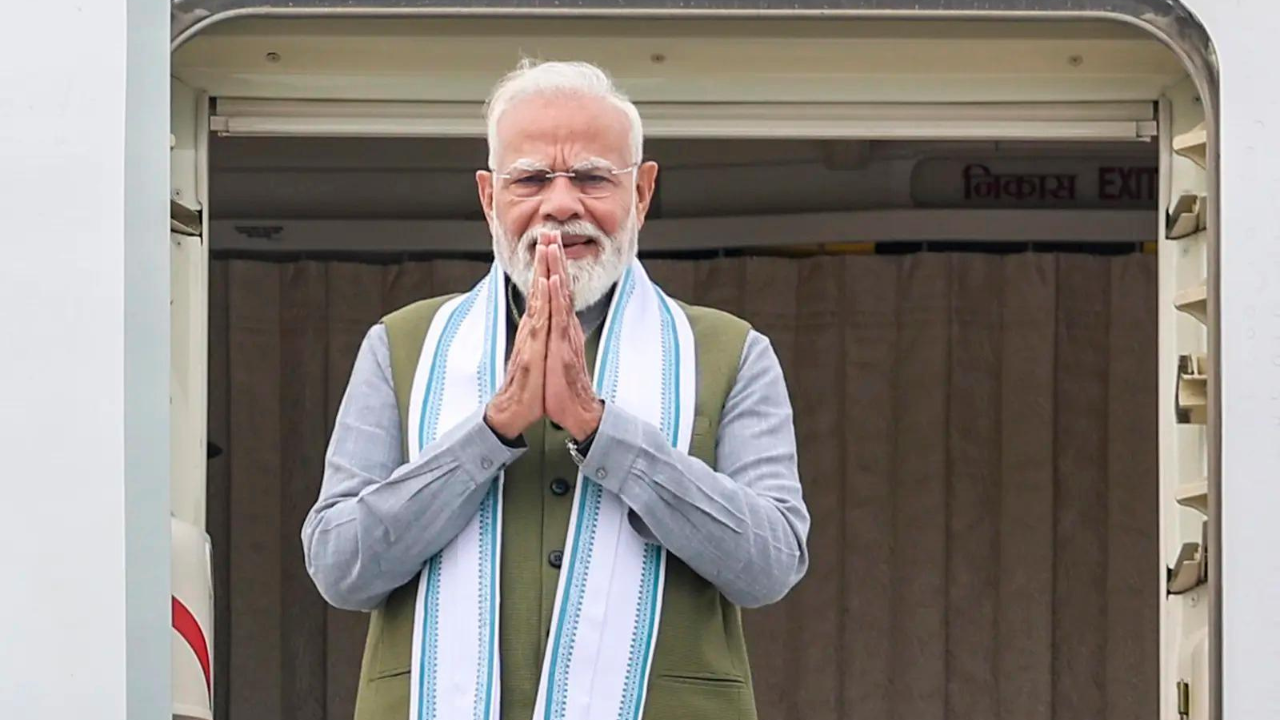
The ISA, headquartered in Gurugram, India, was launched in 2015 by Indian Prime Minister Narendra Modi and former French President François Hollande. Aimed at promoting solar energy adoption among 121 member countries—primarily those lying fully or partially between the Tropic of Cancer and the Tropic of Capricorn—the alliance seeks to mobilize over $1 trillion in investments by 2030 to enhance solar capacity in developing nations. The U.S. had engaged peripherally with the ISA during Trump's first term, signing a non-binding statement of interest in 2017 but never fully ratifying membership or committing significant funds. The recent exit, however, represents a definitive step back, citing duplicative efforts with domestic initiatives like the Inflation Reduction Act's clean energy incentives.
This decision carries medium-level geopolitical implications, potentially straining U.S.-India ties at a time when both nations are countering Chinese influence in the Indo-Pacific. India, as ISA co-founder and host, has positioned the alliance as a flagship for Global South leadership in renewables. U.S. withdrawal could be interpreted as a snub, though bilateral defense and technology pacts like the Quad remain robust. Analysts note that Trump's move echoes his 2017 withdrawal from the Paris Climate Agreement, where he argued the deal disadvantaged American workers and industries.
Background on U.S. Climate Multilateralism Under Trump
Trump's foreign policy has consistently prioritized unilateral action over collective frameworks. During his first presidency (2017-2021), the U.S. exited the Paris Accord, the Trans-Pacific Partnership, and the Iran nuclear deal, framing them as sovereignty erosions. Reinstated in 2025, the administration has revived this approach, targeting what it calls "wasteful" international spending. Federal data shows U.S. contributions to UN-affiliated climate bodies exceeded $2 billion annually pre-2025, funds now eyed for redirection to domestic priorities like border security and manufacturing resurgence.
The ISA specifically has grown into a platform for solar finance and technology transfer, with commitments totaling $2.2 billion as of 2025. U.S. involvement was limited, but participation lent credibility to the group's efforts. Rubio's comments build on Trump's January 8 announcement, framing the exit as fiscal prudence: international bodies, he argued, often prioritize agendas detached from American needs.
Reactions and Global Repercussions
Global responses have been muted but telling. Indian officials expressed regret without public acrimony, with External Affairs Ministry spokesperson Randhir Jaiswal stating, "The ISA remains open to all partners committed to solar transition." Environmental groups decried the move; Greenpeace International called it "a setback for collective climate action," while the Sierra Club warned of diminished U.S. leadership in renewables.
Domestically, Republican leaders praised the decision. House Speaker Mike Johnson tweeted, "No more funding foreign bureaucracies—America's money for American energy independence." Democrats, including Senate Minority Leader Chuck Schumer, criticized it as isolationist, arguing it cedes influence to rivals like China, which has pledged $30 billion to ISA projects.
Economically, the U.S. solar sector—booming with 177 gigawatts installed by 2025—relies little on ISA mechanisms, buoyed by tariffs on Chinese panels and tax credits. However, the withdrawal may complicate supply chain cooperation with India, a key partner in diversifying from Beijing-dominated manufacturing.
Outlook: Reshaping Climate Diplomacy
Looking ahead, the Trump administration's stance foreshadows further retreats from bodies like the UN Framework Convention on Climate Change (UNFCCC) subsidiaries. With COP31 slated for 2026 in Brazil, U.S. attendance remains uncertain, potentially amplifying tensions ahead of midterm elections.
This pivot underscores a geopolitical realignment: prioritizing bilateral deals over alliances. For India-U.S. relations, the exit tests resilience amid shared strategic goals, but risks perceptions of unreliability. As Rubio's declaration reverberates, the world watches whether "America First" translates to global disengagement or selective re-engagement on U.S. terms.
(Word count: 712)