
US Embassy Strike in Iraq: How Advanced Defense Tech is Redefining Modern Conflicts
Sources:
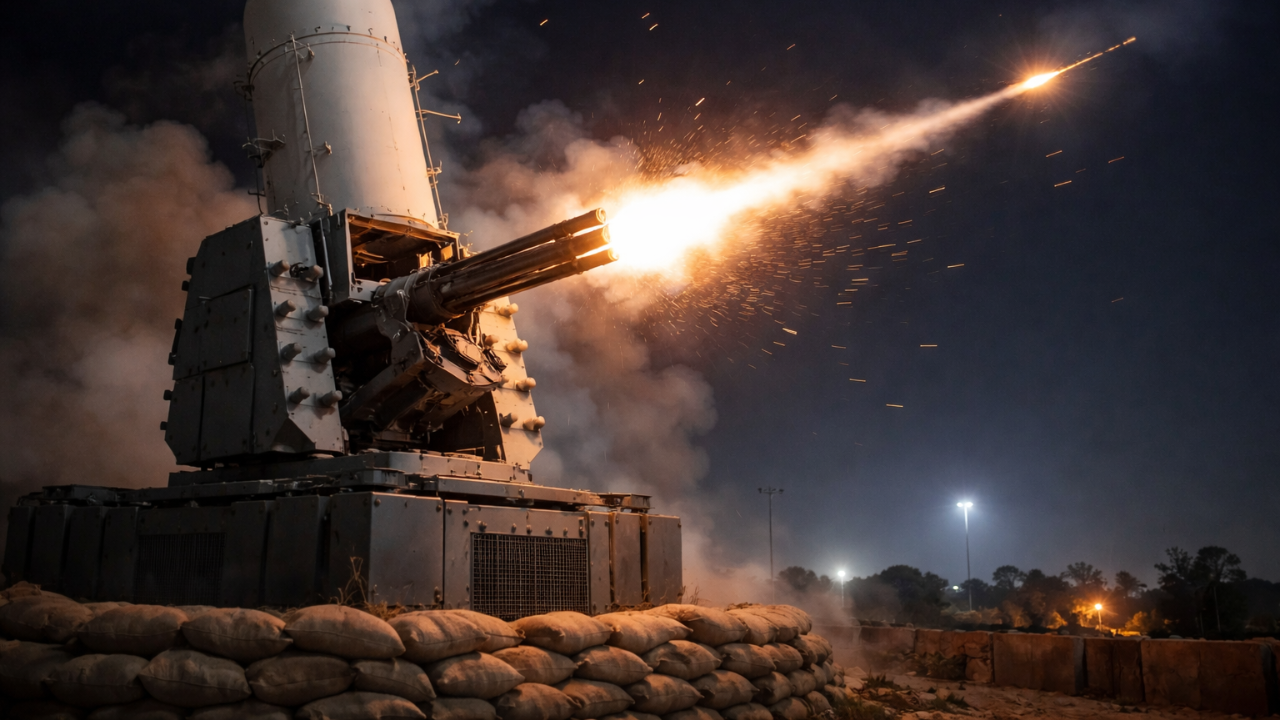
Baghdad, Iraq – A rocket attack targeted the US Embassy compound in Baghdad early today, but the advanced Counter-Rocket, Artillery, and Mortar (C-RAM) system intercepted multiple incoming projectiles, showcasing cutting-edge automated defense. This event highlights a shift in modern conflicts, where technology neutralizes asymmetric threats in real time, potentially changing warfare dynamics in volatile regions like Iraq.
The Incident
Eyewitnesses and viral footage captured the assault, with several rockets streaking toward the embassy. The C-RAM system, featuring radar-guided 20mm cannons, autonomously detected and destroyed the threats mid-air, as seen in confirmed videos. No casualties or damage were reported, and embassy staff sheltered in place while Iraqi security forces investigate the launch site, believed to be from a nearby militant position. Deployed since 2010, this marks one of C-RAM's most public successes amid rising attacks on US assets in Iraq.
Background and Context
This strike fits into a cycle of retaliation stemming from US operations against ISIS. In December 2025, the US targeted 70 ISIS sites in Iraq and Syria, escalating tensions. Subsequent incidents, like a February 2026 missile strike near Babil and a March 1 drone attack on a US base in Erbil, reflect ongoing probes in the post-2020 drawdown era. The C-RAM's activation demonstrates how advanced defense technology counters low-tech threats, disrupting patterns of insurgent harassment.
What This Means
The C-RAM's success signals a paradigm shift in asymmetric warfare, where automated systems reduce the effectiveness of hit-and-run tactics. This could encourage greater US reliance on AI-driven defenses, minimizing troop risks but exposing vulnerabilities like system malfunctions or saturation attacks. Psychologically, it reassures embassy staff and pressures Iraq's government to control militias, while prompting a potential Middle East arms race toward advanced tech like drones and hypersonics. Social media reactions mix awe and concern, with experts warning of escalation risks if diplomacy isn't prioritized.
This is a developing story and will be updated as more information becomes available. (Word count: 598)






