
U.S. Drone Strike Targets Venezuelan Drug Facility in Escalating Pressure on Caracas
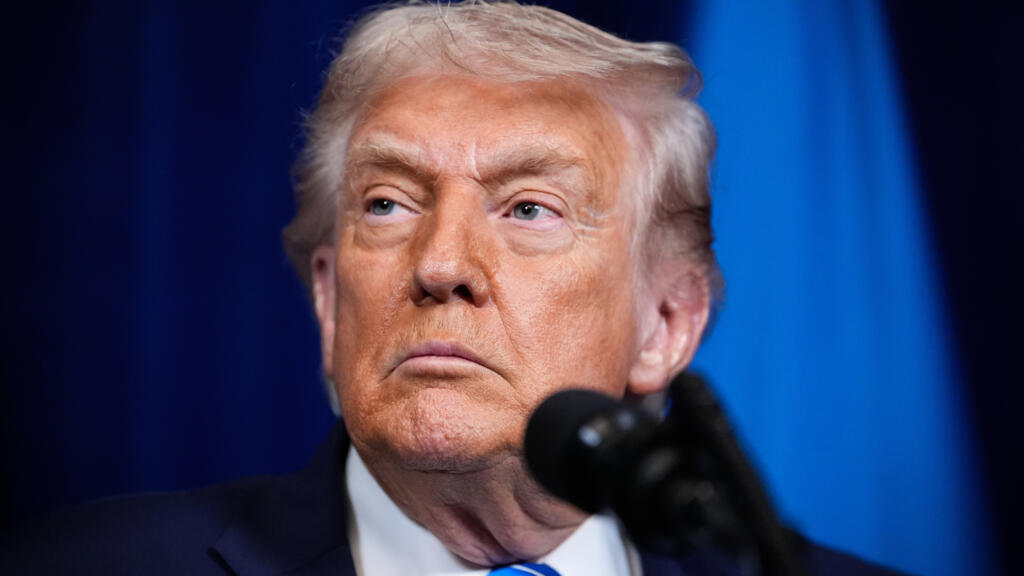
In a significant escalation of U.S. military operations in Latin America, President Donald Trump announced on December 30, 2025, that the United States had successfully conducted a drone strike on a facility in Venezuela linked to alleged drug trafficking activities. This operation marks the first land strike against Venezuela in what has been described as Washington's expanding pressure campaign on the Maduro regime.
The strike, which occurred on December 31, destroyed a docking facility purportedly used by Venezuelan drug traffickers, according to President Trump. "This action demonstrates our commitment to combatting drug trafficking and enhancing regional security," Trump stated during a press conference. The operation involved a CIA-operated drone, a move that underscores the increasing involvement of U.S. intelligence and military assets in addressing drug-related issues emanating from Venezuela.
Details of the Strike
The targeted facility, located in an undisclosed region of Venezuela, was reportedly a key operational hub for drug trafficking networks that have been leveraged by both the Maduro administration and organized crime groups. U.S. officials have long accused the Venezuelan government of facilitating drug trafficking to finance its operations. The drone strike is part of a broader strategy that aims to dismantle these networks and disrupt their supply chains.
According to sources within the U.S. administration, this operation was meticulously planned to ensure minimal collateral damage and to emphasize the U.S. government's resolve against drug trafficking. "We are taking decisive actions to hold accountable those who contribute to the drug crisis in our country," Trump added, referring to the significant impact of narcotics on American communities.
Context and Background
Venezuela has been facing severe economic and political turmoil for years, with the Maduro government grappling with international sanctions and accusations of human rights violations. The country is a known transit point for cocaine produced in neighboring Colombia, and U.S. officials have highlighted the role of Venezuelan officials in facilitating these operations.
The U.S. has employed various strategies to apply pressure on Caracas, including economic sanctions and diplomatic isolation. However, this drone strike represents a notable shift toward more direct military action. Analysts suggest that such actions may provoke a strong response from the Maduro government, which has historically framed U.S. interventions as imperialistic aggression.
Implications and Outlook
The drone strike has stirred a mix of reactions globally. Some analysts have expressed concerns that this could lead to an escalation of hostilities between the U.S. and Venezuela, potentially drawing in other regional actors. On the other hand, proponents of the strike argue that it is a necessary measure in the ongoing fight against drug trafficking that impacts not only Venezuela but also the United States and other countries in the region.
As the situation develops, it remains to be seen how the Maduro government will respond to this unprecedented U.S. military action. Speculation about potential retaliatory measures is rife, and international observers are closely monitoring the implications for U.S.-Venezuela relations and broader regional stability.
In conclusion, the recent drone strike signifies a troubling escalation in U.S.-Venezuela relations, and the consequences of this military intervention could have far-reaching effects on both countries and their positions in the international arena.