
US Drone Strike Targets Venezuelan Drug Facility Amid Cuban Claims of Military Deaths
Washington, DC – In a significant escalation of tensions with Venezuela's government, the US President announced on December 31, 2025, a drone strike on a facility linked to drug trafficking operations in the South American nation. The operation, reportedly executed via a CIA drone, marked a rare direct US military action against alleged narco-trafficking infrastructure under Nicolás Maduro's regime. Cuba quickly condemned the strike, claiming it resulted in the deaths of 32 Cuban military personnel and framing it as an aggressive bid to capture Maduro.
The US announcement came at 09:45 GMT on Wednesday, December 31, 2025, highlighting the facility's role in what American officials have long described as Venezuela's involvement in international drug cartels. US authorities have repeatedly accused Maduro's inner circle of ties to cocaine trafficking networks, with indictments issued against top Venezuelan officials, including Maduro himself, for narco-terrorism by the US Department of Justice in prior years. The strike underscores ongoing US efforts to disrupt these networks amid Venezuela's economic collapse and political isolation.
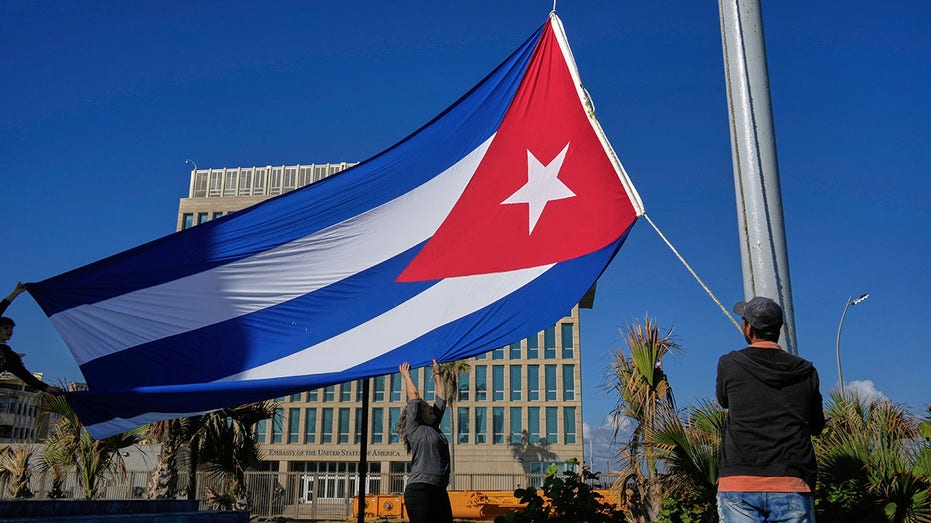
Cuba's response, detailed in a statement from Havana reported by Fox News on January 7, 2026, painted a starkly different picture. Cuban officials identified 32 members of its armed forces as fatalities in what they termed a "U.S. military operation against the Maduro regime." Havana described the incident as a blatant act of aggression aimed at apprehending Maduro, Venezuela's president since 2013. "This cowardly attack claims the lives of our brave soldiers who were fulfilling their internationalist duties," the Cuban statement asserted, according to the report. Cuba has maintained a longstanding military and advisory presence in Venezuela, providing personnel to support Maduro's government amid US sanctions and regional opposition.
The discrepancy between the US portrayal of a precision drone strike on a drug site and Cuba's narrative of a broader operation targeting Maduro has fueled immediate diplomatic friction. Neither side has released visual evidence or detailed coordinates of the facility, located somewhere within Venezuelan territory, leaving independent verification challenging. The event occurred against a backdrop of heightened US-Venezuela hostilities, including a $15 million US bounty on Maduro issued in 2020 for alleged drug kingpin activities.
Historical Context
Venezuela's political crisis traces back to 2013, when Maduro succeeded Hugo Chávez amid protests over economic mismanagement and hyperinflation. The country, once South America's richest per capita oil producer, has seen its GDP plummet by over 75% since 2013, according to International Monetary Fund data, driving a mass exodus of over 7 million refugees. The US has imposed sanctions since 2017, targeting Maduro's administration for human rights abuses, electoral fraud, and narcotics trafficking. In 2020, the US Southern Command accused Venezuelan leaders of collaborating with Colombia's FARC dissidents and other cartels to ship cocaine to the US.
Cuba's alliance with Venezuela dates to the Chávez era, with Havana exchanging oil for medical and military support. Reports from the US State Department and think tanks like the Center for Strategic and International Studies have long noted Cuban intelligence and security advisors embedded in Venezuelan institutions, including the military and intelligence services. This partnership has deepened amid mutual isolation from Western powers, with Cuba viewing Venezuela as a bulwark against US influence in Latin America.
The December 31 strike represents one of the most overt US military interventions in Venezuela since covert operations were alleged during the 2019 opposition challenge led by Juan Guaidó, whom the US recognized as interim president. Previous US actions have been limited to sanctions, asset freezes, and diplomatic pressure, often coordinated with allies like Colombia and Brazil.
Regional and International Reactions
As of early January 2026, reactions have been polarized. Allies of Maduro, including Russia and Iran, echoed Cuba's condemnation, with Russia's Foreign Ministry calling it a "violation of sovereignty." Brazil's government, under President Luiz Inácio Lula da Silva, urged restraint without endorsing either narrative. The United Nations Security Council has not scheduled an emergency session, but Secretary-General António Guterres called for "de-escalation and dialogue."
US officials have not commented on Cuba's casualty claims, maintaining focus on the anti-drug rationale. The operation's classification as a CIA-led drone strike suggests it falls under counter-narcotics authorities rather than declared warfare, potentially avoiding broader congressional oversight.
Outlook
The incident risks further destabilizing Venezuela's fragile security landscape, where armed groups control swaths of territory and drug routes proliferate. With Maduro's regime facing renewed opposition protests and economic woes, the strike could embolden internal challengers or provoke retaliatory measures. Diplomatic channels remain strained, but backchannel talks via intermediaries like Qatar or Norway—used in past Venezuelan negotiations—may intensify. For now, the world watches as accusations fly, with the true scope of the December 31 operation under intense scrutiny.
(Word count: 712)






