
U.S. Drone Strike Targets Alleged Drug Facility in Venezuela
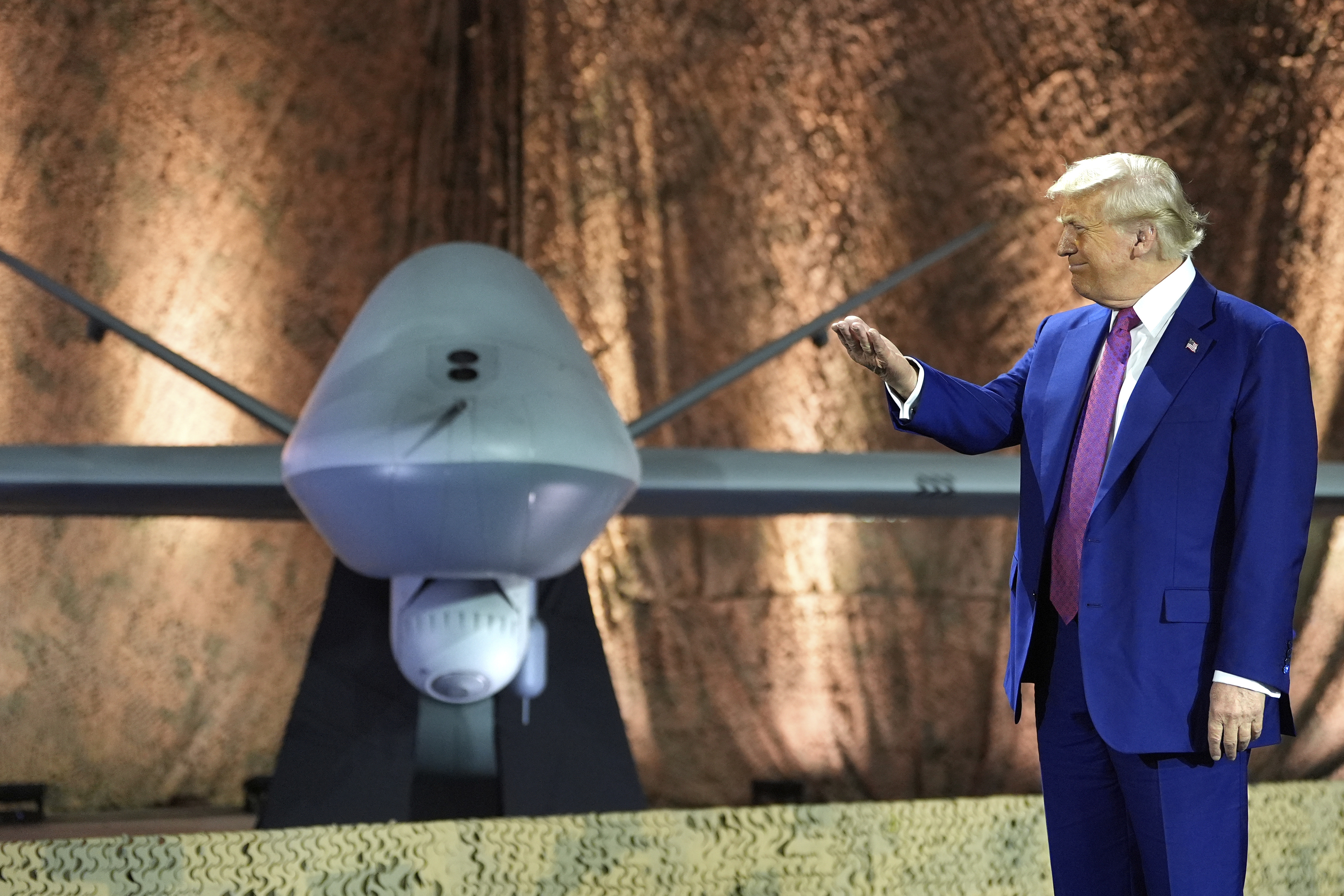
In a significant escalation of U.S. military involvement in Venezuela, President Donald Trump announced a drone strike on December 31, 2025, targeting a facility linked to alleged drug trafficking networks operated within the country. The operation, reportedly conducted by a CIA-operated drone, underscores the U.S. government's increasing focus on combating drug cartels that are accused of using Venezuelan territory for their operations.
The strike occurred early in the morning local time and has been described by U.S. officials as a necessary measure to disrupt the activities of narcotics traffickers, whom they claim have deep ties to the Venezuelan government. President Trump stated, “We will not allow Venezuela to be a haven for drug traffickers. This strike is a clear message that we will take decisive action against those who threaten our national security.”
Details of the Strike
While the U.S. government has yet to provide specific details regarding the location and damage caused by the drone strike, sources indicate that the targeted facility was a key node in a larger network believed to be facilitating the production and distribution of illegal narcotics. The U.S. has accused the Venezuelan regime, led by President Nicolás Maduro, of complicity in drug trafficking, a charge that the Maduro administration has vehemently denied.
The operation follows a series of military maneuvers by U.S. fighter jets in the region, which some analysts suggest may have served as a precursor to the strike. Reports indicate that U.S. aircraft had been conducting reconnaissance flights over Venezuela in the days leading up to the attack, raising questions about whether these missions were rehearsals for the operation.
Context of U.S.-Venezuela Relations
Relations between the United States and Venezuela have been severely strained for years, particularly since Maduro's controversial re-election in 2018, which was widely condemned by the international community. The U.S. has imposed a series of sanctions on Maduro and his government in response to alleged human rights abuses and the erosion of democratic institutions in Venezuela. The current drone strike represents a significant shift from economic sanctions to more direct military action.
The Venezuelan government has responded to the strike with outrage, condemning it as an act of aggression. In a statement issued shortly after the attack, officials described the U.S. action as a violation of Venezuelan sovereignty and a reckless escalation of hostilities. “This aggression will not go unanswered,” warned a senior Venezuelan official, indicating that the government may seek to bolster its military defenses in the wake of the attack.
Background on Drug Trafficking in Venezuela
Venezuela has increasingly been identified as a significant transit point for cocaine and other narcotics heading to the United States and Europe. The country’s political instability, combined with the weakening of law enforcement institutions, has allowed drug cartels to operate with relative impunity. Reports have suggested that these criminal organizations have formed alliances with elements within the Venezuelan military and government, further complicating efforts to combat drug trafficking.
The U.S. has long considered Venezuela a priority in its drug enforcement strategy, with officials asserting that the Maduro regime has actively facilitated drug trafficking as a means of generating revenue amid the country’s economic collapse. The recent drone strike is likely to provoke further tensions not only between the U.S. and Venezuela but also among regional allies as the implications of U.S. military actions become clearer.
Conclusion
The drone strike in Venezuela marks a significant development in U.S. foreign policy and military engagement in Latin America. As the situation evolves, it remains to be seen how the international community will respond and what the long-term implications will be for both U.S.-Venezuela relations and the broader fight against drug trafficking in the region. The potential for escalation remains high as both governments prepare for possible retaliatory measures.






