US Capture of Maduro Triggers Global Geopolitical Ripples, from UN Scrutiny to Oil Investment Push
Caracas/Washington/United Nations — A U.S. military operation that resulted in the capture of Venezuelan President Nicolás Maduro has ignited a firestorm of international reactions, raising questions about its legality, regional security implications, and future economic ties in Latin America. The raid, described by some as a "decapitation-style" strike, has prompted warnings from U.S. President Donald Trump to neighboring countries, vows of continued partnership from China, and urgent calls from Washington for American oil companies to reinvest in Venezuela's battered energy sector.
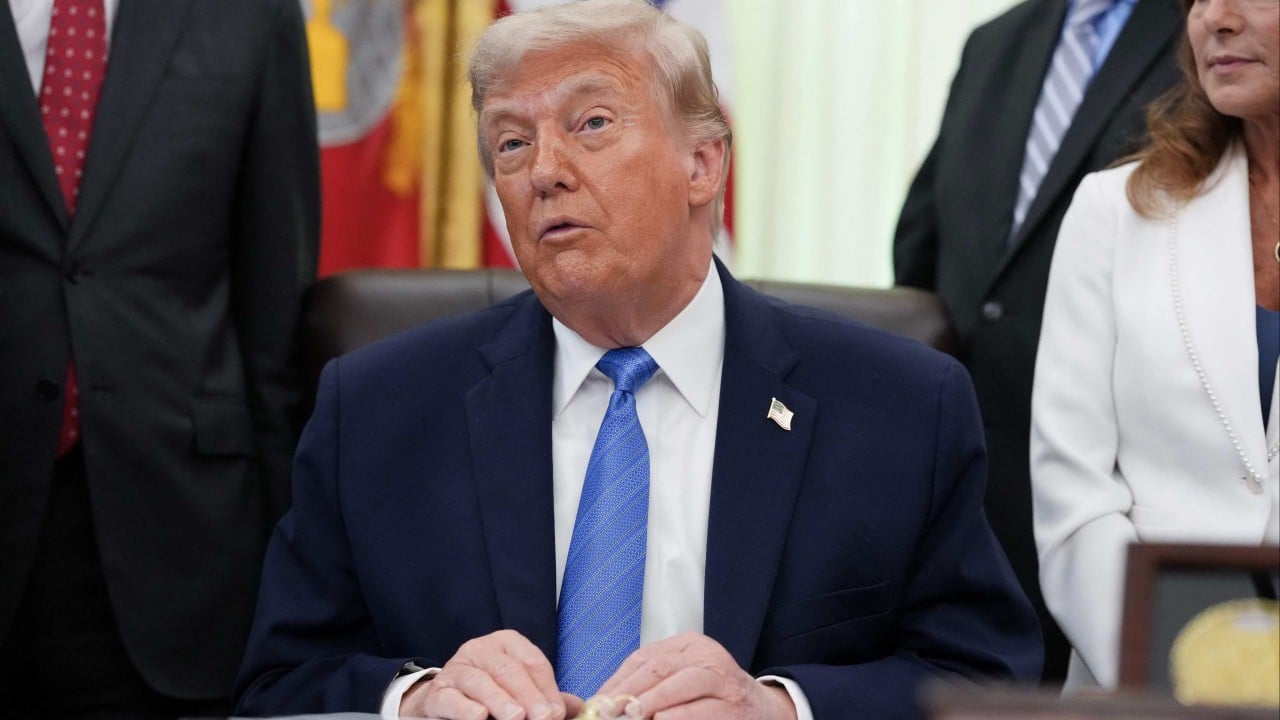
The operation unfolded over the weekend prior to January 5, 2026, when U.S. Special Forces seized Maduro and transported him to the United States. Details remain sparse, but reports characterize it as a targeted action against Venezuela's leadership amid longstanding U.S. accusations of drug trafficking, corruption, and human rights abuses under Maduro's rule. In a video statement, Trump hailed the mission's success and issued stark warnings to Colombia and Mexico, suggesting they "could be next" if they fail to address similar issues. "After Venezuela, others could take place," Trump stated, according to footage from France 24, escalating tensions in a region already strained by migration, narcotics flows, and political instability.
At the United Nations, the legality of the U.S. action takes center stage. The 15-member Security Council convened on January 5 to debate the capture, with diplomats scrutinizing whether it violated international law on sovereignty and extradition. While Washington anticipates limited pushback from allies, the session underscores broader concerns over unilateral military interventions. Cyprus Mail reported that the U.S. faces unlikely strong condemnation, reflecting divisions in global alliances, but the discussion highlights Venezuela's status as a flashpoint between Western powers and nations sympathetic to Maduro's socialist government.
China, Venezuela's largest oil customer and a key economic backer, responded with measured defiance. Foreign Ministry spokesman Lin Jian affirmed Beijing's "commitment" to ties with Caracas, emphasizing that bilateral energy cooperation is "protected by international law." Asked directly about continuing Venezuelan oil imports post-raid, Jian sidestepped but reiterated the partnership's resilience, per South China Morning Post. This stance signals China's intent to maintain influence in Latin America despite the leadership upheaval, amid its broader competition with the U.S. for resources and geopolitical leverage.
The operation's shockwaves extend beyond the Americas. In Taiwan, it has amplified fears of similar tactics by China's People's Liberation Army (PLA). Analysts note parallels between the U.S. raid—aimed at paralyzing political and military command—and recent PLA drills around the island, which simulated joint operations to disrupt leadership structures. Taiwanese officials have downplayed the risks, but the Venezuela precedent has heightened anxiety in Taipei, as reported by South China Morning Post.
Background on Venezuela-US Tensions
Venezuela's crisis traces back to economic collapse under Maduro, exacerbated by U.S. sanctions since 2017 over alleged election fraud, repression, and narco-state ties. Maduro retained power after disputed 2024 elections, drawing international isolation from much of the West while gaining support from Russia, China, Iran, and Cuba. Oil, once the backbone of Venezuela's economy, has been crippled by mismanagement and expropriations of foreign assets, leaving companies like Chevron and ExxonMobil owed billions. The U.S. has long designated Maduro's regime as a national security threat, linking it to fentanyl trafficking and hemispheric instability.
In a related development, White House and State Department officials have pressed U.S. oil executives to rapidly reinvest in Venezuela's infrastructure. Newsmax reports that such capital infusions are positioned as a prerequisite for compensating firms for nationalized assets, aiming to revive production and stabilize the country post-Maduro. This pragmatic overture contrasts with the raid's aggressiveness, suggesting a dual U.S. strategy of pressure and economic inducement.
Outlook Amid Uncertainty
As Maduro's fate hangs in the balance—facing potential U.S. charges—the operation risks destabilizing Venezuela further, with power vacuums possibly fueling gang violence or opposition movements. Trump's warnings to Colombia and Mexico evoke his first-term "maximum pressure" campaigns, potentially deterring leftist governments while bolstering U.S. anti-drug efforts. China's oil commitment could sustain Venezuela's economy, complicating Western isolation tactics.
The UN meeting may yield no resolutions but will calibrate global fault lines. For oil markets, U.S.-encouraged investments could unlock Venezuela's vast reserves, easing global supply concerns. Yet, the raid's precedent looms large, from Taiwan's straits to Latin America's frontiers, as nations reassess the norms of great-power intervention in the multipolar era.
(Word count: 682)