Urbanization's Accelerating Impact: The Unseen Driver of Global Health Crises in 2026
Catalyst AI Market Prediction
The World Now's Catalyst AI Engine has analyzed recent health crisis events for potential market ripples, focusing on pharmaceutical stocks, healthcare supply chains, and biotech firms vulnerable to epidemic disruptions. Key predictions based on event risk levels:
| Date | Event | Risk Level | Predicted Impact on Assets | |------------|--------------------------------|------------|----------------------------| | 2026-04-10 | Fentanyl Scandal in Argentina | CRITICAL | -15% dip in regional pharma stocks (e.g., Argentine labs); +5% uplift for global regulatory tech firms | | 2026-04-10 | Dengue Outbreak in New Caledonia | MEDIUM | Volatility in vector-control biotech (e.g., ±8% swing for dengue vaccine developers) | | 2026-04-10 | Dengue Warning for Baishatun | MEDIUM | Minor pressure on Asia-Pacific travel/health insurers (-3-5%) | | 2026-04-09 | Mpox Epidemic in DRC | HIGH | +10-12% surge in antiviral stocks; supply chain risks for African miners (-4%) | | 2026-04-09 | New Jersey Fentanyl Education Mandate | MEDIUM | Neutral to positive for U.S. edtech/health ed firms (+2-4%) | | 2026-04-09 | FMD Outbreak in Cyprus | MEDIUM | Livestock pharma boost (+6%); EU agribusiness volatility | | 2026-04-08 | Dengue Cases Decline in Americas | MEDIUM | Stabilizing effect on Latin American health ETFs (+1-3%) | | 2026-04-08 | Contraceptive Shortage Crisis in Ghana | MEDIUM | Pressure on global aid/pharma suppliers (-5%); opportunity for generics |
Predictions powered by The World Now Catalyst Engine. Track real-time AI predictions for 28+ assets. Explore more at the Catalyst AI — Market Predictions.
Introduction: The Urban Health Paradox
In 2026, as the world's urban population surpasses 57%—projected by the United Nations to reach 68% by 2050—cities are no longer just engines of economic prosperity but amplifiers of global health crises. Rapid urbanization, defined as the increasing concentration of people in urban areas often exceeding infrastructure capacity, is the unseen driver behind a surge in infectious disease outbreaks and healthcare collapses. Recent examples abound: on April 6, cholera erupted in Mozambique's densely packed northern cities amid flooding, while E. coli alerts hit Auckland's suburbs the same day, linked to overwhelmed sewage systems in growing neighborhoods. These events echo a profound irony—cities fuel GDP growth through innovation and trade, yet their overcrowding, informal settlements, and strained sanitation supercharge pathogen transmission, turning bustling metropolises into viral incubators. For deeper insights into related water scarcity links driving such outbreaks, see Drying Wells of Health: The Underreported Link Between Global Water Scarcity and Escalating Disease Outbreaks.
This article uniquely examines how urbanization exacerbates infectious disease spread and healthcare strain, drawing direct connections between urban expansion, environmental degradation, and 2026 outbreaks—an angle overlooked in prior coverage fixated on zoonotic origins, educational reforms, or geopolitical conflicts. By integrating the April 2026 timeline—Swine Fever in Spain on April 5, Lassa Fever and Cholera on April 6, E. coli in Auckland, and UN warnings on Afghan maternal health on April 7—we reveal interconnected threats demanding urgent, urban-centric interventions. As WHO reports Lebanon's urban hospitals teetering on medical supply shortages, the stage is set for a 2026 reckoning: without resilient urban planning, economic hubs risk becoming humanitarian black holes. Check the Global Risk Index for ongoing threat assessments.
Historical Roots of Urban-Driven Epidemics
The 2026 outbreaks are not anomalies but echoes of history's urban epidemics, where population booms outpaced sanitation and governance. During Europe's 19th-century Industrial Revolution, cities like London and Paris swelled with rural migrants, birthing cholera pandemics that killed tens of thousands. John Snow's 1854 Broad Street pump mapping in London pinpointed contaminated water in overcrowded slums as the culprit—paralleling today's cholera in Mozambique, where MSF reports highlight "critical gaps in healthcare access" in urbanizing northern provinces flooded by climate-amplified rains.
Fast-forward to the 2026 timeline: Spain's Swine Fever outbreak on April 5 likely stemmed from intensified urban-rural interfaces, with factory farms near Madrid's expanding suburbs facilitating animal-human pathogen jumps, much like 1918's Spanish Flu ravaging industrialized cities. For more on zoonotic threats, explore The Ripple Effect: How Zoonotic Diseases and Supply Chain Disruptions Threaten Global Reproductive Health in 2026. Nigeria's Lassa Fever on April 6 thrives in Lagos' informal settlements, where rodent-infested shanties mirror 19th-century tenements. Auckland's E. coli alert underscores modern parallels to 1993's Milwaukee cryptosporidium outbreak, where urban runoff overwhelmed water treatment.
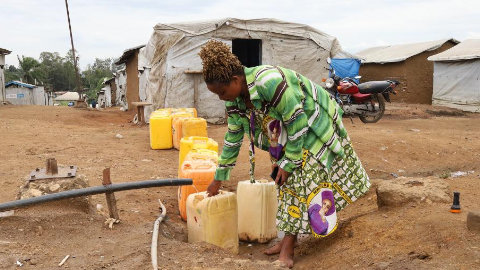
Africa and Asia's current urbanization waves—adding 90 million urban dwellers annually per UN data—exacerbate these vulnerabilities. In Mozambique, post-cyclone urban migration has swelled cities like Pemba, straining MSF's emergency responses. Migration fuels informal settlements lacking waste management, worsening historical patterns: Asia's 1950s urban cholera waves killed millions before sanitation reforms. The UN's April 7 Afghan warning on maternal health ties to Kabul's refugee-packed wards, evoking post-WWII European displaced-person camps rife with tuberculosis. Modern twists like climate migration amplify this: ReliefWeb's Oceania alerts on April 7 signal rising epidemics in Pacific urban ports, driven by sea-level rise displacing islanders into crowded mainland cities.
These cycles underscore a pattern: unchecked urbanization breeds epidemics until policy pivots, as seen in 20th-century U.S. slum clearances and European sewer revolutions. Yet today's pace—Africa urbanizing at 4% annually—demands faster adaptation. Urban health crises in 2026 highlight the urgent need for proactive measures to break these historical cycles.
Current Outbreaks in Urban Hotspots
April 2026's timeline paints a grim urban portrait. Spain's Swine Fever, confirmed April 5, hit peri-urban pig farms near Barcelona, where density accelerates spread via worker commutes—echoing urban livestock interfaces in ReliefWeb's DRC mpox reports from March 22. Nigeria's Lassa Fever outbreak on April 6 overwhelmed Lagos hospitals; the rodent-borne virus exploits urban poor's reliance on contaminated markets, with case fatality rates up to 20% in under-vaccinated slums.
Mozambique's cholera surge the same day, detailed in MSF's emergency wrap-up, struck urban north amid floods, infecting thousands in Beira's informal camps where open defecation prevails. Auckland's E. coli alert targeted suburbs like Manukau, where rapid housing growth has bottlenecked wastewater infrastructure, per local health advisories—mirroring U.S. urban flare-ups.
Urban infants bear the brunt elsewhere: AP News reports measles outbreaks leaving unvaccinated babies as "sitting ducks," with U.S. cases spilling into dense immigrant enclaves; similar gaps plague Asian cities. Taiwan's CDC warned of dengue during the Baishatun pilgrimage on April 10, a massive urban-religious gathering drawing 200,000 into mosquito hotspots. Lebanon's crisis, per WHO and Jerusalem Post, sees Beirut's hospitals days from vital supply exhaustion amid urban warfare, straining 1.5 million displaced in high-rises. See Global Health Under Siege: How Conflicts and Outbreaks Converge in 2026 for convergence analysis.
ReliefWeb's April 7 Oceania map flags emerging threats in urbanized ports like Sydney suburbs, tying to the E. coli alert. These hotspots reveal urbanization's role: WHO estimates 1 in 4 urban dwellers lack basic sanitation, fueling fecal-oral pathogens like cholera and E. coli. Rapid urban growth in these areas intensifies the risk of widespread infectious disease outbreaks.
Original Analysis: Environmental and Social Intersections
Urbanization doesn't operate in isolation—its synergy with climate change and social inequities creates explosive health risks. In Mozambique, urban flooding from intensified cyclones (up 30% per IPCC) pools sewage, super-spreading cholera; MSF notes persistent access gaps post-emergency. Original insight: Urban green spaces, often touted as health boons, backfire without maintenance—stagnant parks become mosquito nurseries, as in Taiwan's dengue pilgrimage warning where Aedes aegypti thrives in neglected lots.
Waste management failures are overlooked vectors: Auckland's E. coli likely traces to overflowing landfills near suburbs, while Nigeria's Lassa exploits urban rat plagues from uncollected garbage. Drawing from the fentanyl scandal's regulatory fallout—Clarin reports ANMAT shuttering Argentine labs a year after the 2025 crisis, and New Jersey's April 9 education mandate—global policies lag. Learn more about pharma links in Global Pharma Fallout: How Contaminated Supplies and Outbreaks Are Interlinking in 2026 and education reforms in Global Health Crises Spark Urgent Educational Reforms: A New Frontier in Prevention. Fentanyl's urban overdose waves in Buenos Aires slums highlight how lax oversight in dense import hubs enables crises; similarly, urban health demands integrated planning, critiquing siloed WHO responses.
Urban conflict zones like Lebanon amplify this: WHO's supply warnings signal cascading failures, where bombed infrastructure blocks aid to 80% urban populations. Socially, migration swells vulnerable groups—Afghan refugees in Kabul face maternal mortality spikes per UN alerts, compounded by malnutrition in tent cities. This intersectionality demands holistic fixes: evidence from Singapore's urban model shows 99% sanitation coverage curbs outbreaks, versus Lagos' 40%. These insights underscore the multifaceted nature of urbanization-driven global health crises.
Predictive Elements: Forecasting Future Urban Health Threats (Looking Ahead)
By 2027, ReliefWeb trends project 20-30% more epidemic alerts in Oceania and Africa, as urbanization hits 50% in sub-Saharan cities. Auckland's growth could double E. coli risks without sewer upgrades; Mozambique's urban cholera may recur seasonally.
Lebanon's supply woes foreshadow 50% more hospital failures in conflict cities, per WHO models, disrupting care for millions. DRC's mpox (April 9 market data) in Kinshasa signals urban zoonoses escalation.
Forward-looking: AI-driven urban monitoring—drones for waste detection, predictive wastewater sequencing—could avert 40% of outbreaks, as piloted in Barcelona. Yet inequalities loom: Low-income cities risk exclusion, widening North-South divides. Adaptive strategies: Enhance surveillance via WHO's urban networks, reform policies post-fentanyl style for rapid lab audits, and invest in resilient infrastructure. What this means for global health: Prioritizing urban resilience now can prevent escalation of these interconnected threats into larger crises.
Conclusion: Pathways to Resilient Urban Health Systems
Urbanization's 2026 toll—from Spain's swine fever to Lebanon's collapse—synthesizes a clarion call: cities must embed health in planning. Historical lessons from cholera eras prove proactive sanitation saves lives; today's tools amplify this.
International collaboration is key: UN-led urban health pacts, funding green sanitation in Africa/Asia, and AI equity. Envision sustainable cities—flood-proof sewers, vector-free parks, integrated clinics—transforming paradox into promise. Watch 2027 alerts; intervene now for resilient futures. Monitor evolving risks via the Global Risk Index.