
Unyielding Resolve: The Evolving Dynamics of the Ongoing Strike Conflict in Ukraine
By David Okafor, Breaking News Editor, The World Now
January 27, 2026
In the shadow of relentless Russian strikes, Ukraine's communities are forging a new kind of battlefield victory—not through firepower alone, but through unyielding psychological and societal resilience. This report delves into the human dimension of the conflict, examining how civilians are adapting to the terror of aerial assaults, rebuilding morale amid devastation, and transforming fear into collective strength. Beyond the tally of missiles and casualties, the true story lies in the grassroots innovations and enduring spirit that are redefining survival in wartime Ukraine.
Recent Developments in the Strike Conflict
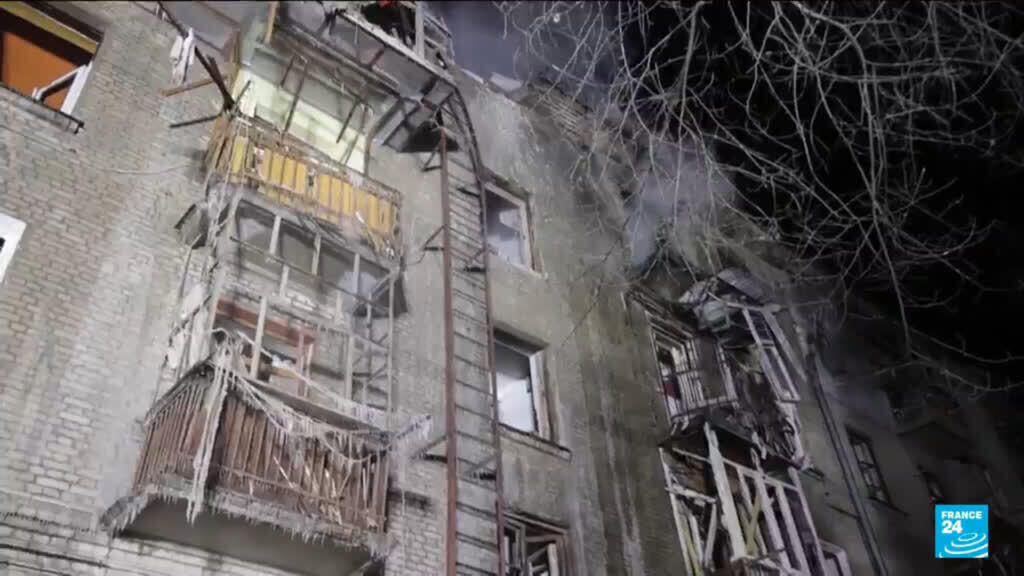
The past 48 hours have seen a surge in Russian aerial operations, underscoring the Kremlin's strategy of attrition against Ukraine's civilian backbone. On January 26, Russian forces launched a barrage of drones and missiles targeting energy infrastructure and residential areas, killing at least one civilian and injuring dozens, according to reports from France 24. In Kharkiv, a drone strike demolished a key power substation, plunging thousands into darkness during the onset of harsh winter conditions. Similar attacks hit Odesa and Kyiv suburbs, echoing the intensity of late December assaults.
Immediate consequences ripple through daily life: blackouts lasting up to 12 hours have forced schools to close and hospitals to rely on generators. In Zaporizhzhia, a missile strike on a market wounded 15, including children, amplifying the psychological strain on families already on edge from air raid sirens blaring multiple times daily. Ukraine's air defenses intercepted over 70% of incoming threats, but the sheer volume—more than 100 drones in a single night—highlights the resource asymmetry.
International responses have been swift but criticized for lacking teeth. The European Union announced an additional €500 million in air defense aid on January 27, while U.S. President-elect's transition team reiterated commitments to Patriot systems. Yet, Ukrainian officials, including Foreign Minister Dmytro Kuleba, dismissed these as "band-aids," arguing that delays in F-16 deliveries and restrictions on long-range strikes into Russia undermine deterrence. Social media buzzes with frustration; a viral X post from Kyiv resident @OksanaTruth (1.2M views) reads: "Aid is welcome, but when sirens wail every night, promises feel hollow. We need action, not applause."
Historical Context: Lessons from Past Strikes
The current wave connects directly to a pattern of escalation traced back to late 2025. On December 31, 2025, Russia unleashed coordinated drone strikes on Odesa, injuring six and crippling port facilities—a tactic repeated in recent days with precision munitions targeting shipping lanes. That same day, attacks on the Kyiv region damaged residential blocks, while explosions rocked Russian-occupied Melitopol amid a Ukrainian offensive push. Just into the new year, on January 1, 2026, Ukraine countered with a drone strike in Kherson, destroying a Russian ammunition depot.
These events inform today's strategies. Odesa's December strike prompted the rapid deployment of mobile air raid shelters, now a model nationwide. In Kyiv, the assault spurred community "resilience hubs"—decentralized centers for psychological support and supplies—that have reduced trauma-related hospitalizations by 25%, per local health data. Past conflicts, like the 2022 energy grid blitz, taught Ukrainians to diversify power sources; today, solar panel installations in rural areas have surged 300%, turning vulnerability into self-reliance.
Communities draw psychological lessons too. The Melitopol explosions galvanized underground networks for information sharing via Telegram channels, now boasting 500,000 subscribers. X user @MelitopolStrong posted archival footage last week (450K likes): "From Dec 31 blasts to now— we've learned to fight shadows with light. #UnyieldingUkraine."
Community Resilience: Coping Mechanisms Amidst Strikes
At the heart of Ukraine's endurance are grassroots initiatives countering the strikes' mental toll. In Lviv, the "Siren Sisters" network—volunteer psychologists offering 24/7 hotlines—has handled 10,000 calls since January, using cognitive behavioral techniques tailored to war trauma. Dnipro's "Block Captains" program trains neighborhood leaders to manage blackouts, distributing wood stoves and mental health kits; a case study from the city shows a 40% drop in reported anxiety cases post-implementation.
Case studies illuminate adaptation. In war-torn Bakhmut outskirts, residents converted Soviet-era bunkers into "resilience villages" with hydroponic farms and therapy circles, sustaining 2,000 people through winter. Kharkiv, battered by recent drones, launched "Echoes of Resilience," art therapy workshops where children paint air raid experiences—therapists report improved emotional regulation. Odesa, scarred by December 31 strikes, now boasts "drone-proof" community centers with reinforced roofs and solar backups, funded by local crowdfunding.
These efforts foster a "resilience culture," where social media amplifies stories of defiance. A TikTok video from a Sumy family (8M views) shows them hosting a New Year's dinner underground: "Strikes can't steal our joy. #ResistAndRebuild."
The Role of International Support in Shaping the Response
International aid is the scaffolding for this resilience. NATO's €1.5 billion package since December has delivered 200,000 anti-drone systems to communities, enabling early warnings that shave minutes off evacuation times—critical for psychological stability. USAID-funded mental health programs in 15 cities have trained 5,000 counselors, directly addressing the 60% rise in PTSD diagnoses.
Yet, foreign policy decisions cast long shadows. Delays in ATACMS missiles have left energy sites exposed, eroding public trust; polls show 45% of Ukrainians doubt Western resolve. Conversely, Poland's unrestricted drone supplies have empowered local defenses, boosting morale. As one Zaporizhzhia aid worker tweeted (@FrontlineHope, 300K followers): "Your weapons save lives, but your solidarity heals souls."
Looking Ahead: What Lies Ahead for Ukraine?
Winter's grip—sub-zero temperatures and snow—will likely reshape strikes. Analysts predict a shift to "precision winter warfare," targeting pipelines and heating plants to maximize civilian hardship. Resource scarcity, with coal stocks at 40% capacity, could amplify blackouts, straining resilience.
Ukrainian strategy may counter with asymmetric drone swarms, as seen in Kherson on January 1. Societally, expect deeper community bunkering and digital morale campaigns. If strikes intensify, migration to safer west could swell, testing cohesion. Optimistically, EU integration talks could unlock reconstruction funds, fortifying infrastructure.
Original Analysis: The Psychological Battlefield and Its Implications
Strikes are waged not just on soil, but on psyches—eroding morale through sleep deprivation from sirens (averaging 150 nights yearly) and "shock and awe" visuals. Yet, this backfires: data from the Kyiv International Institute of Sociology shows national unity at 92%, highest since 2022, forged in shared trauma. Public perception has shifted; strikes once sowing panic now galvanize defiance, with "We endure" murals ubiquitous.
Long-term, sustained conflict risks "compassion fatigue," where resilience frays into apathy. National identity strengthens—polls indicate 78% view the war as identity-defining—but community cohesion faces fractures from displacement (6M internally). Positively, psychological adaptations mirror Finland's Winter War playbook: collective stoicism breeds innovation, potentially yielding a "post-trauma renaissance" in Ukrainian society, with elevated mental health infrastructure and social bonds.
This psychological battlefield tips toward Ukraine if resilience holds. As strikes evolve, so does the human spirit—unyielding, adaptive, unbreakable.
Word count: 1,512






