
Unseen Consequences: The Ripple Effect of the Recent Pakistan-Afghanistan War Escalation
Overview of the Conflict
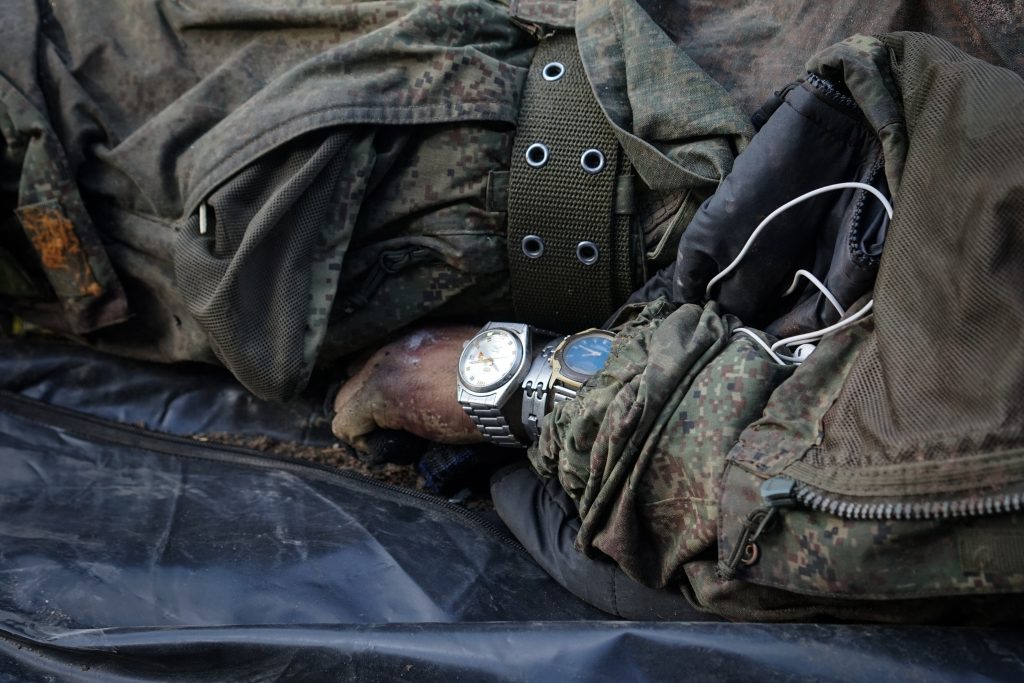
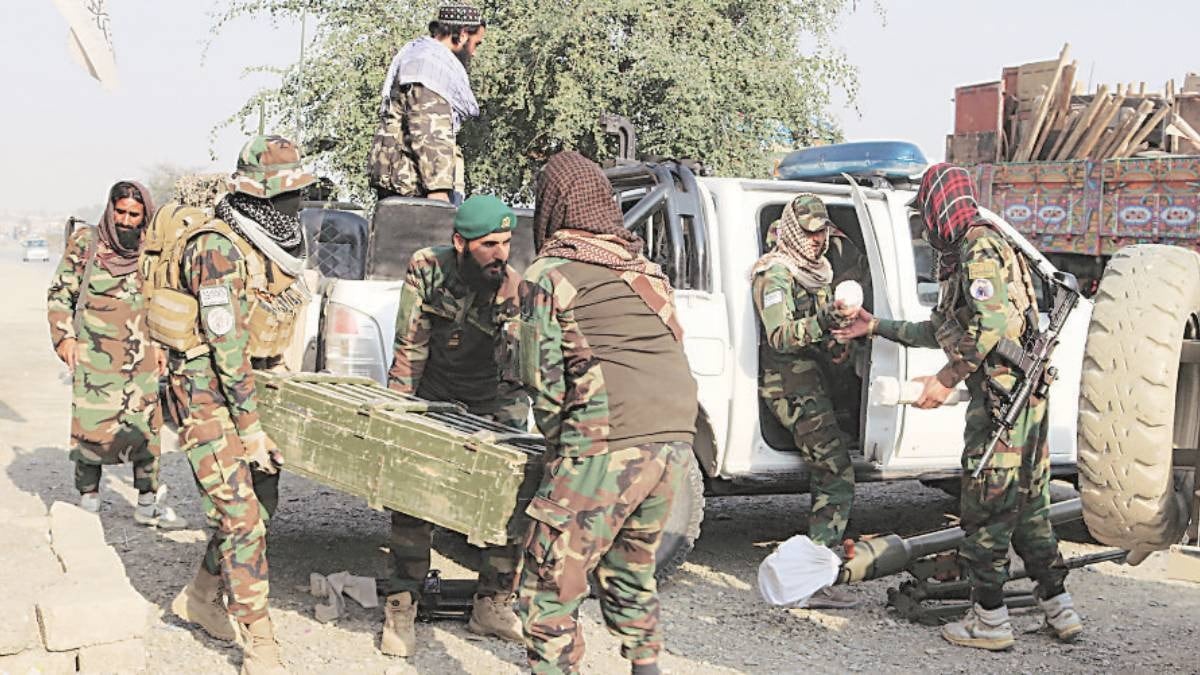
The recent escalation of the Pakistan-Afghanistan conflict reached a critical point on February 27, 2026, when Pakistan launched airstrikes on Taliban positions in Kabul and Kandahar, resulting in the deaths of at least 270 individuals, as reported by Loksatta. This military action followed Pakistan's formal declaration of war against the Taliban, prompted by a series of cross-border attacks that began on January 28, 2026. The strikes targeted key Taliban strongholds near the Durand Line, with Pakistan asserting that these actions were necessary to retaliate against militant incursions. In response, the Taliban condemned the airstrikes as “genocidal” and vowed to retaliate asymmetrically, including the use of rocket fire into Pakistani territory. The immediate military responses included the mobilization of Taliban forces in eastern provinces and the reinforcement of Pakistani troops along the border. Reports indicate that civilian infrastructure, including markets in Kandahar, was also affected, exacerbating the already dire humanitarian situation.
Historical Context: Lessons from Past Conflicts
The current conflict is deeply rooted in a history of tension between Pakistan and the Taliban, particularly concerning the disputed Durand Line, which was drawn in 1893 and has been rejected by successive Afghan governments. This escalation mirrors previous conflicts, such as the Soviet-Afghan War (1979-1989), during which Pakistani support for mujahideen fighters led to widespread displacement and suffering. Additionally, the U.S.-led invasion following the September 11 attacks resulted in over 2.6 million Afghan refugees residing in Pakistan by 2021. The casualties reported on January 28 echo similar border clashes from 2022, which resulted in significant loss of life. The devastating impact of past wars on civilians is evident, with the Soviet era leading to a halving of Afghanistan's population due to famine and exodus, while post-2001 conflicts severely disrupted education and trade. The current escalation raises concerns about a potential repeat of these tragic patterns, as Pakistan's military actions evoke memories of its operations against Tehrik-i-Taliban Pakistan (TTP) in 2014-2015.
Socio-Economic Ramifications for Afghan Civilians
The airstrikes have had a catastrophic impact on daily life for civilians in Kabul and Kandahar, cities that are home to approximately 10 million people. Markets have been forced to close, halting food imports that account for 80% of urban needs. Trade through the Torkham and Spin Boldak crossings, which was valued at $2.5 billion annually before the escalation, has plummeted by 70%, according to UN estimates, leading to a staggering 50% increase in wheat prices. The healthcare system is on the brink of collapse, with Médecins Sans Frontières (MSF) reporting ammunition shortages and overwhelmed facilities treating blast injuries. Education is also severely affected, with 1,200 schools in the conflict zones disrupted, adding to the already high number of 4 million out-of-school children. Families in refugee camps in Kandahar are facing acute malnutrition, with child mortality risks doubling due to ongoing aid blockades.
Regional Stability: Effects on Neighboring Countries
The repercussions of this conflict extend beyond Afghanistan, with significant implications for neighboring countries. Pakistan, which currently hosts 1.3 million Afghan refugees, is bracing for a potential influx of 500,000 new refugees fleeing the violence, further straining its economy amidst a 40% inflation rate. Iran, home to 800,000 Afghan refugees, has reported border closures that disrupt approximately $1 billion in annual trade. The regional alliances are also at risk of fracturing, as China's Belt and Road projects in Afghanistan stall and India's ambitions for the Chabahar port face setbacks. The economic losses from border trade could amount to $5 billion annually for Central Asia, potentially fueling black markets and extremism.
Social media has been abuzz with concern, with @HRW tweeting, "Pakistan's Kabul strikes risk 2026's worst refugee crisis—270 dead confirmed, thousands displaced #AfghanWar." Afghan journalist @NajibullahQuraishi remarked, "Kandahar families bury loved ones amid rubble; trade halt means starvation ahead."
Looking Ahead: Predictions and Prospects for Peace
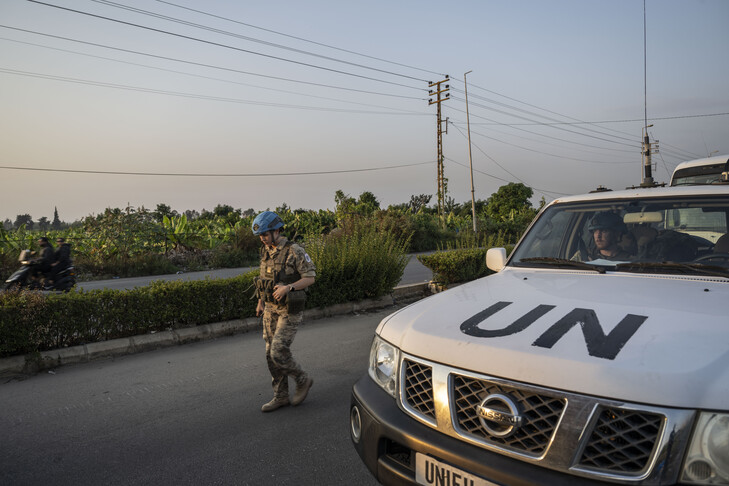
Historically, escalations in conflict have often led to prolonged violence and instability. The failed negotiations during the Soviet era amid military advances serve as a cautionary tale for the current situation. Power dynamics may shift, potentially empowering Taliban hardliners or fracturing alliances with the Haqqani network. A surge in refugees could prompt UN mediation efforts, but Pakistan's determination—bolstered by U.S. military support—suggests that airstrikes may continue. The prospects for diplomacy hinge on ongoing talks in Qatar; failure to reach an agreement could lead to a humanitarian crisis in 2027, with up to 2 million people displaced. Conversely, the economic toll of the conflict might encourage ceasefires, similar to the truces observed in 2022.
This is a developing story. Confirmed: 270 deaths, strikes on 2/27/2026. Unconfirmed: Full Taliban casualties. Updates forthcoming.