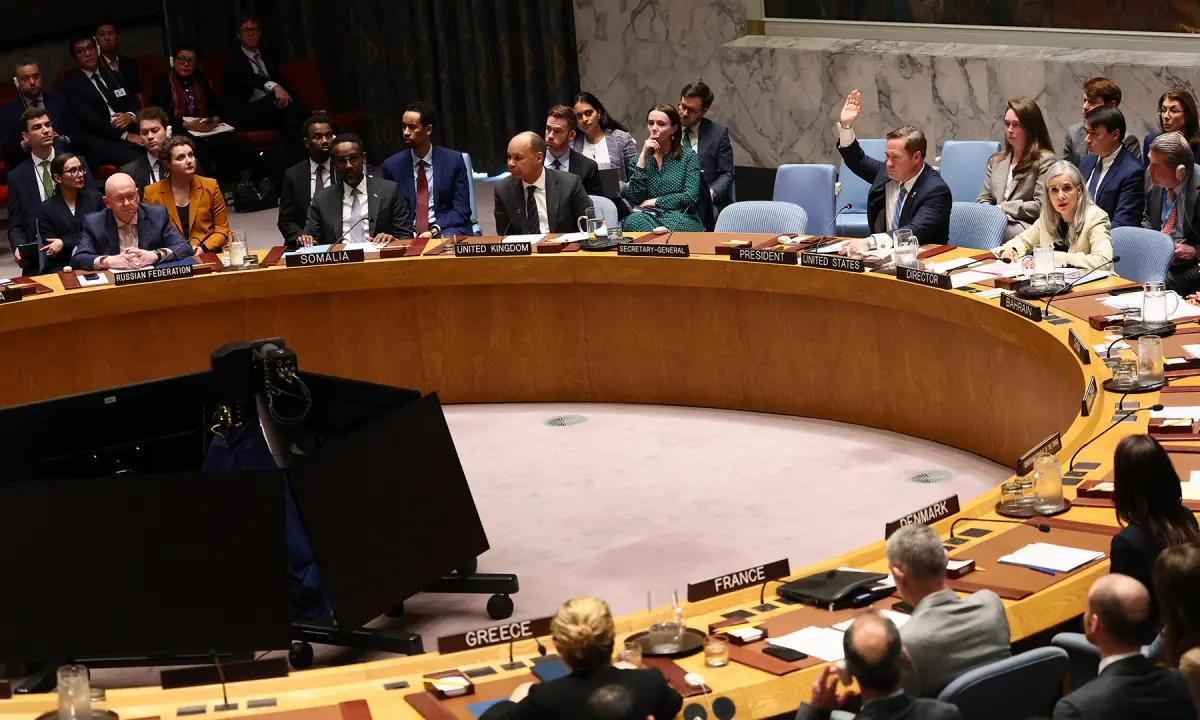

UNSC Resolution Sparks Diplomatic Backlash Amid Iran’s Hormuz Threats
The UN Security Council (UNSC) has adopted a resolution condemning Iran’s attacks on Gulf nations, leading Tehran to denounce it as a 'blatant misuse' and threaten restrictions on shipping through the Strait of Hormuz, a critical chokepoint for 20% of global oil trade. This escalation, based on UNSC voting records, could fracture international alliances and reshape global dynamics amid heightened regional hostilities from February 28 to March 9, 2026.
UNSC Resolution and Iran’s Immediate Response
On March 11, 2026, the UNSC passed Resolution 2789 with a 12-2 vote (Russia and China abstaining), demanding Iran halt attacks on Gulf infrastructure after strikes on March 9. Iran’s Foreign Minister Abbas Araghchi labeled it 'dictated by Western powers,' according to state media. Iran’s military pledged 'defensive measures,' including potential Hormuz restrictions, similar to 2019 threats. Unconfirmed reports indicate partial naval deployments near the strait. Non-aligned countries like India and South Africa have reacted, with India calling for 'multilateral dialogue' and South Africa deeming the resolution 'one-sided,' hinting at BRICS fractures.
Historical Context and Escalation Roots
The crisis began on February 28, 2026, with Iran’s retaliatory strikes on U.S. bases in Iraq and Syria amid Israel-Hamas tensions. Escalation peaked on March 8 with 'Operation Madman,' involving Iranian missile barrages against U.S. and Israeli assets, as reported by the Pentagon. By March 9, attacks targeted Saudi and UAE oil facilities, prompting UNSC action. This echoes the 1980s Tanker War, where Hormuz threats disrupted global oil supplies, and reflects strengthened Russia-Iran ties since 2022.
Looking Ahead: Implications and Potential Outcomes
This resolution could lead to expanded U.S.-led sanctions by March 15, risking a Hormuz blockade that disrupts 21 million barrels of oil daily and spikes Brent crude prices to $150 per barrel, according to EIA models. EU and China are scheduling emergency talks to de-escalate, but this might alienate Russia and fracture alliances. Long-term, shifts to alternative routes like Arctic LNG by 2027 could reduce Hormuz’s strategic importance, while third-party mediation from Oman offers hope for stability. (Word count: 598)






