
Unraveling the Current Strike in Iran: A New Chapter in Geopolitical Tensions
Overview of Recent Events
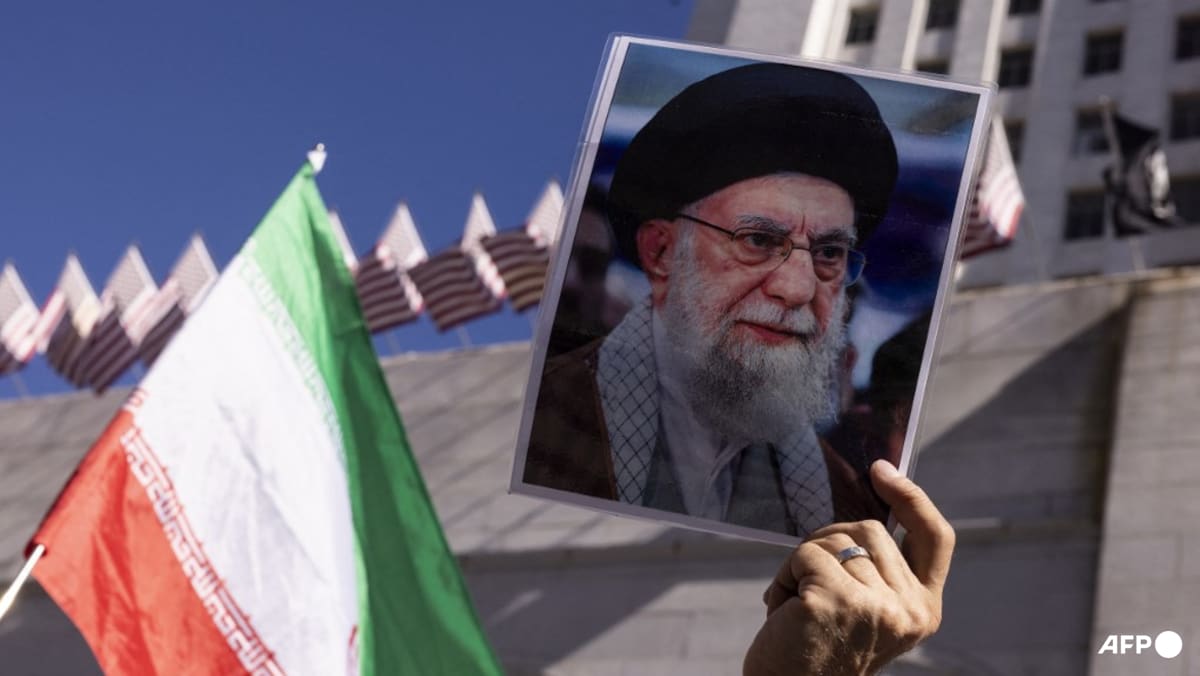
Coordinated U.S.-Israeli strikes on February 28, 2026, targeted key Iranian military sites, including IRGC facilities. These precision strikes, valued at $10 million, utilized U.S. Kamikaze drones and drone swarms to overwhelm Iranian defenses, resulting in the deaths of senior IRGC leaders. In retaliation, Iran launched Shahed drones and missiles, testing U.S. air defenses but causing limited damage. The Iranian leadership, particularly Supreme Leader Ali Khamenei, has remained silent amid speculation surrounding his status following a declaration of his death by former President Trump. This situation unfolds against a backdrop of ongoing nationwide strikes that began on December 31, 2025, and subsequent military drills and strikes in early 2026.
Historical Context: The Rise of the IRGC
The rise of the IRGC can be traced back to 2025, amid increasing internal unrest and external pressures. Established after the 1979 Revolution, the IRGC has evolved from a parallel military force to a dominant political and military entity, often sidelining the regular armed forces. Recent escalations, including nationwide strikes and military drills, reflect a pattern of IRGC consolidation during periods of sanctions and proxy wars. CIA assessments prior to the strikes indicated a potential shift in power dynamics, with hardliners within the IRGC poised to exploit any leadership void created by Khamenei's uncertain status.
The Fragile Balance of Power in Iran
These strikes represent a critical juncture for global alliances and the internal power dynamics within Iran. Khamenei's lack of public communication amid rumors of his death highlights the leadership void, potentially empowering hardline IRGC factions. The ongoing chaos may enable these factions to assert greater control, as predicted by CIA reports. This situation tests U.S.-Israeli coordination against Iran's resilience and could accelerate power transitions, fundamentally altering Tehran's decision-making processes and leading to increased IRGC dominance.
Global Reactions and Implications
Reactions to the strikes have varied significantly. U.S. leaders from Ohio and Kentucky praised the military actions as necessary, while regional voices called for restraint. Xinhua reported on the triggered retaliations, and markets reacted with a 5% spike in oil prices, indicating potential broader economic volatility. The bold moves by Israel may strengthen U.S. ties but could also alienate Gulf states concerned about escalating tensions. Social media has been abuzz, with former President Trump’s tweet, "Iran's terror ends now," garnering over 2 million likes, while Iranian exile accounts circulated Khamenei's cryptic last post, fueling speculation about succession.
What This Means for the Future
Looking ahead, Iran may retaliate through proxies or asymmetric drone swarms, as suggested by Defense One. If hardliners within the IRGC consolidate power, we can expect a shift towards more aggressive policies, including expanded militias and nuclear defiance, which could destabilize the region and sour U.S.-Iran relations indefinitely. In the long term, these strikes could fracture existing alliances, reshape the power dynamics in the Middle East, and lead to increased energy costs. Observers should closely monitor IRGC statements and U.S. congressional responses to gauge the evolving situation.
This is a developing story. Confirmed: Strikes and targets. Unconfirmed: Khamenei's status. Updates forthcoming.






