
Unraveling Alliances: The Taliban's Shift and the Escalation of Conflict in Afghanistan
Current Situation
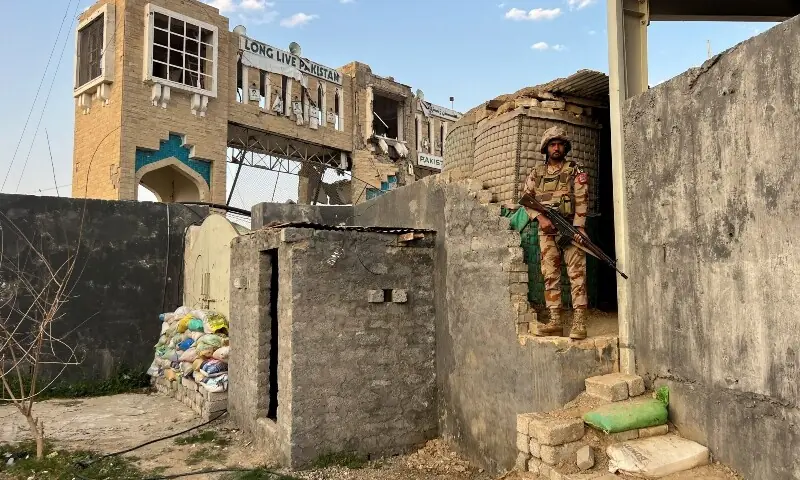
Recent hostilities have escalated dramatically along the Afghanistan-Pakistan border. Pakistani forces reported repelling Taliban incursions in Bajaur and North Waziristan, with artillery exchanges causing civilian casualties and significant infrastructure damage. Reports indicate at least 15 deaths in Afghan border areas this week alone, exacerbating a humanitarian crisis with over 10,000 displaced. Concurrently, the Taliban has launched offensives in Nangarhar province, targeting alleged Pakistani-backed militants. Taliban spokesperson Zabihullah Mujahid stated the group is "amenable to talks," proposing direct negotiations to de-escalate while vowing retaliation for border violations. This juxtaposition of aggression and dialogue highlights tactical flexibility amid battlefield momentum.
Historical Context
Taliban-Pakistan ties, once symbiotic, have fractured over time. Pakistan provided covert support during the Taliban's 1996-2001 rule and post-2021 resurgence, hosting leaders and facilitating operations against rivals. Tensions surged after the 2021 U.S. withdrawal, as Pakistan accused Taliban elements of sheltering anti-Pakistani militants like the Tehrik-i-Taliban Pakistan (TTP).
A timeline illustrates this deterioration:
- January 8, 2026: Clashes kill 4 in Afghanistan, marking initial border skirmishes.
- January 19, 2026: Tajik guards kill 4 Afghan gunmen at the border, broadening involvement.
- February 25, 2026: Intense clashes in Nangarhar border areas draw artillery fire.
- February 26, 2026: Explosions in Kabul amid ongoing conflict signal domestic spillover.
SCMP traces this to Pakistan's 2024 fencing of the Durand Line and deportation of Afghan refugees, eroding trust and fueling Taliban reprisals.
Implications for Regional Stability
The Taliban's dual strategy—engaging in talks for legitimacy while employing force for deterrence—exploits Pakistan's internal vulnerabilities, including the resurgence of the TTP, while consolidating control amid an economic collapse (GDP contraction of 20% since 2021). Regionally, escalation risks drawing in Iran and Central Asian states; Tajikistan's January intervention hints at proxy dynamics. Globally, it complicates China's Belt and Road investments and U.S. counterterrorism goals, potentially prompting sanctions if talks fail. Stakeholders face heightened refugee flows (over 600,000 Afghans in Pakistan) and terror export risks, reshaping South Asian security architecture.
Public Reactions
Social media reflects alarm over the situation. X user @Dawn_News tweeted: "Taliban open to talks but 'open war' rages—Pakistan urges restraint as casualties mount" (12K likes). Analyst @MichaelKugelman posted: "From allies to adversaries: Pakistan-Taliban rift exposes limits of influence post-US exit" (8K retweets). Pakistani official statements via Dawn call for "immediate de-escalation," while Taliban voices frame incursions as defensive.
Looking Ahead
Expect tentative talks in Doha or Islamabad, but stalled diplomacy could trigger Taliban gains in border enclaves, shifting Afghan power dynamics toward hardliners. Increased international intervention—UN sanctions or Chinese mediation—is likely if civilian toll rises; monitor TTP activity for proxy escalation.
This is a developing story and will be updated as more information becomes available.






