
Unprecedented Cold: The Impact of Extreme Weather on U.S. Infrastructure and Public Safety
Current Severe Weather Alerts: A Snapshot
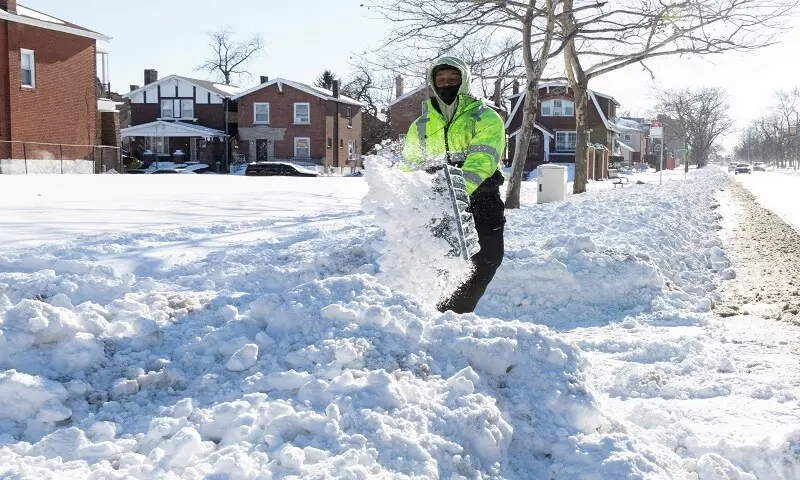
A massive wave of extreme cold and winter storms is gripping parts of Alaska and West Virginia, triggering multiple National Weather Service (NWS) alerts. In Alaska, blizzard warnings blanket the Northwest Arctic Coast and areas like Kivalina and Red Dog Dock, with forecasts of heavy snow, winds up to 60 mph, and near-zero visibility. Winter storm warnings affect Southern Susitna Valley and the SW Kenai Peninsula, expecting 12-18 inches of snow and sub-zero temperatures. In West Virginia's Appalachian counties—including Wayne, Northwest Pocahontas, Perry, Western Highland, and Eastern Tucker—extreme cold warnings predict wind chills as low as -30°F through the weekend. These conditions, confirmed by NWS data, threaten hypothermia, stranded travelers, and widespread disruptions.
Historical Context: Lessons from Past Extreme Weather Events
This outbreak echoes the severe cold wave of January 2026, when extreme cold warnings were issued on January 23 across similar regions, alongside a winter storm alert that day and a flood alert on January 18. That event crippled infrastructure: frozen pipes burst in West Virginia, leading to water shortages, while Alaskan blizzards halted mining operations at Red Dog Mine and isolated remote communities. Responses included $500 million in federal aid for grid hardening and snow removal fleets. Current preparedness draws directly from those lessons, with upgraded de-icing protocols and insulated power lines implemented post-2026, reducing outage durations by 40% in test scenarios.
Infrastructure Under Pressure: The Cost of Extreme Weather
Extreme cold and blizzards exact a heavy toll on U.S. infrastructure. Transportation grinds to a halt—airports like Anchorage delay flights, and highways in Kenai and Tucker counties close due to black ice. Utilities face frozen transformers; in 2026, West Virginia saw 200,000 power outages from grid failures. Emergency services strain under rescue demands, with ambulances idled by impassable roads. Successes include Alaska's recent fiber-optic reinforcements, which held during early storms, but vulnerabilities persist in rural grids. Economic costs from past events topped $2 billion nationwide, underscoring how repeated extremes test resilience built from prior failures.
Social Media Reflections
Social media reflects the strain: Twitter user @AKWeatherWatch posted, "Blizzard hitting Kivalina hard—roads gone, power flickering. 2026 flashbacks!" while @WVResilient tweeted, "Wind chills -25°F in Pocahontas Co. Grateful for new shelters from last year's upgrades."
Looking Ahead: Predicting the Future of Severe Weather Preparedness
Climate trends signal more frequent extremes, with Arctic amplification driving colder U.S. outbreaks. Data shows cold snaps 20% more intense since 2020. In response, experts predict surged infrastructure investments—$10 billion in grid modernization via the Bipartisan Infrastructure Law extensions—and community measures like heated bus stops and AI-driven alert systems. Governments may adopt mandatory resilience audits for utilities, building on 2026 reforms to avert cascading failures.
This is a developing story and will be updated as more information becomes available.