Unmasking the Shadows: The Strategic Implications of U.S. Military Strikes on Drug Trafficking in the Caribbean

Latest from X
Unmasking the Shadows: The Strategic Implications of U.S. Military Strikes on Drug Trafficking in the Caribbean
Introduction: Setting the Stage for Current Operations
In the sun-drenched waters of the Caribbean, a shadowy escalation in the U.S. war on drugs has unfolded, marked by precision military strikes on suspected narcolanchas—high-speed drug smuggling boats. Since early January 2026, U.S. forces have targeted vessels allegedly linked to transnational criminal organizations, particularly those operating from Venezuelan shores. These operations, authorized under expanded counter-narcotics mandates, represent a bold intensification of kinetic actions in international waters.
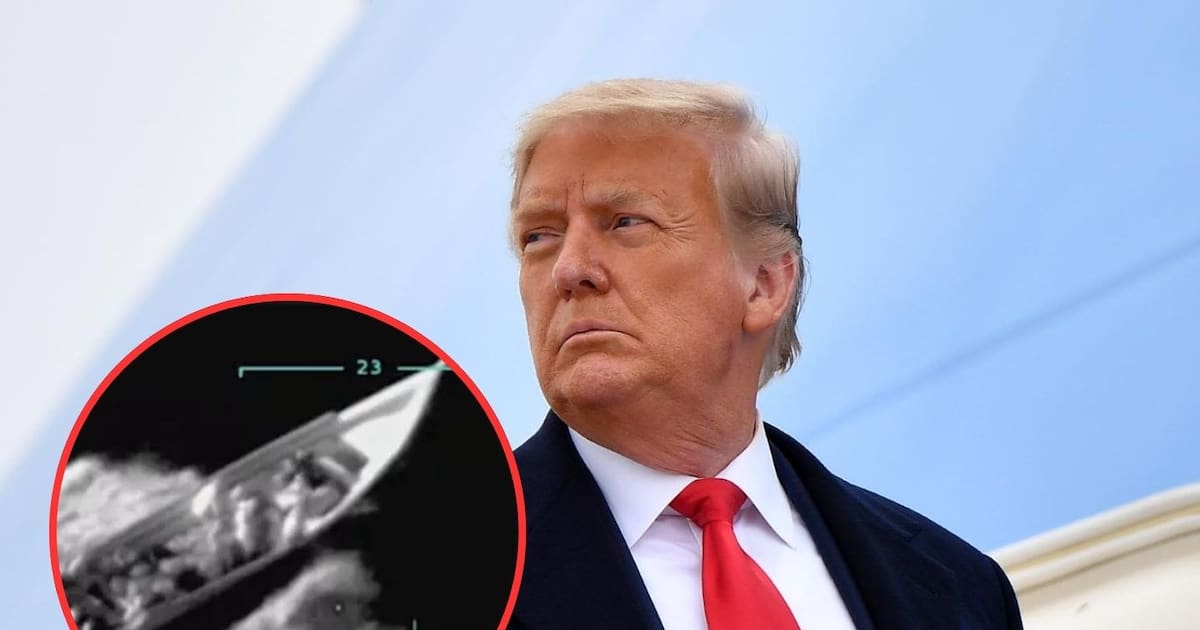
A bombshell revelation on January 13, 2026, has thrust these missions into the global spotlight: reports indicate the Pentagon modified a military aircraft to resemble a civilian plane during one of the inaugural strikes in September 2025, extended into the 2026 campaign. According to investigations cited in major outlets, this camouflaged asset—a fighter jet or gunship altered with civilian markings—approached undetected before unleashing firepower on a narco boat, destroying it and killing its crew. Posts found on X echoed this story, amplifying claims from The New York Times and The Independent, with users debating the tactic's legality and effectiveness. This use of disguise introduces a unique strategic layer: blending military might with subterfuge to evade detection by traffickers, but at the potential cost of eroding trust in international norms.
These strikes are part of a broader U.S. strategy under the Trump administration's "Department of War" rhetoric, aimed at disrupting cocaine flows to American shores. Yet, as casualties mount and diplomatic tensions rise, the camouflaged aircraft tactic underscores a pivotal shift—prioritizing operational surprise over transparency, with profound implications for U.S. military protocols and hemispheric relations.
Understanding Military Disguise: Tactics and Ethics
The tactical ingenuity of disguising military aircraft as civilian equivalents lies in its capacity for deception. Narco-traffickers, often equipped with rudimentary radar and spotters, rely on visual identification to evade patrols. A plane painted with commercial airline livery or modified to mimic a private jet can loiter undetected, closing within striking distance before revealing its lethal payload—missiles, guns, or drones. Reports detail how, in the September 2025 precursor strike, the asset approached at low altitude, mimicking routine air traffic, before engaging. This mirrors special operations doctrines like those in the AC-130 Ghostrider gunships, previously filmed in anti-drug actions, but elevates them with overt camouflage.
Operationally, advantages are clear: reduced risk to U.S. pilots, minimized collateral damage through precision, and psychological deterrence against smugglers. However, ethical and legal quandaries abound. International humanitarian law, including the Geneva Conventions, prohibits perfidy—feints that misuse protected civilian emblems. While maritime drug interdiction occurs in international waters, critics argue that aerial disguise blurs lines, potentially endangering civilian aviation. The Hague Conventions ban ruses that feign protected status, raising questions: Does a "civilian-like" paint job constitute such misuse?
Posts on X reflect divided sentiment—some hail it as innovative counter-crime, others decry it as escalatory deception akin to covert warfare. Strategically, this tactic could normalize hybrid operations, influencing future U.S. engagements from counter-terrorism to great-power competition. Yet, it risks setting precedents for adversaries, like China or Russia, to employ similar guises, destabilizing aerial identification protocols under ICAO standards.
Historical Context: Precedents of U.S. Military Interventions
U.S. military forays into the Caribbean and Latin America have long intertwined with drug interdiction, providing stark parallels to today's strikes. The 1980s "War on Drugs" under Reagan saw Operation Martillo in 1982, where U.S. Navy vessels pursued go-fast boats, culminating in the 1989 invasion of Panama (Operation Just Cause). There, special forces neutralized Noriega's narco-regime, but at the cost of hundreds of civilian deaths and strained alliances.
Grenada's 1983 rescue operation (Urgent Fury) ousted a Marxist regime amid drug smuggling concerns, establishing precedents for rapid hemispheric interventions. Fast-forward to Plan Colombia (2000-2015), a $10 billion effort that deployed U.S. advisors, Black Hawk helicopters, and drone surveillance against FARC narco-guerrillas, reducing coca cultivation by 72% but fueling human rights abuses.
The 2026 timeline echoes these: On January 1, U.S. strikes hit multiple drug boats in the southern Caribbean, targeting vessels from Venezuela tied to "narco-terrorist" groups. By January 6, a raid linked to Maduro's regime injured U.S. forces, escalating rhetoric. The death toll hit 100 by January 8, per operational updates, mirroring Panama's chaos. Earlier 2025 strikes, including AC-130 actions publicized on X, set the stage, with low-resolution videos sparking transparency debates.
These precedents highlight a pattern: short-term tactical wins often yield long-term blowback—cartel fragmentation breeds violence, as seen post-Panama, while sovereignty assertions from Bogotá to Caracas erode U.S. soft power. The disguised aircraft tactic innovates on historical ruses, like Vietnam-era "civilian" spotter planes, but amplifies risks in a multipolar era.
The Human Cost: Casualties and Public Perception
The toll from these operations is stark. Initial January 1 strikes sank several narcolanchas, killing an estimated 20-30 crew members presumed to be traffickers. The January 6 Maduro-linked raid wounded several U.S. special operators, with no fatalities reported but evacuations underscoring risks. By January 8, the cumulative death toll across operations reached 100, including Venezuelan nationals and alleged cartel enforcers, per U.S. Southern Command briefings. No U.S. fatalities have been confirmed, but the human ledger weighs heavily on intercepted cocaine tonnage—hundreds of kilos disrupted.
Public perception splits along ideological lines. In the U.S., supporters view strikes as necessary deterrence, with X posts praising sunk boats despite grainy footage complaints. Critics, including human rights groups, decry extrajudicial killings, likening crews to fishermen coerced by cartels. Internationally, the disguised aircraft revelation fuels outrage, portraying U.S. actions as predatory.
Casualty opacity exacerbates distrust: low-res videos of flaming boats, shared on X since 2025, invite skepticism. This echoes historical missteps, like the 1998 Ecuadorian crash of a U.S. drug surveillance plane, killing innocents and igniting protests. Ultimately, the human cost reframes drug wars as asymmetric conflicts, where tactical victories mask societal scars.
International Reactions: Diplomatic Fallout
Venezuela has led condemnations, with Maduro's government decrying strikes as "imperialist aggression" violating sovereignty, especially post-January 6 raid. Caracas expelled U.S. diplomats and rallied CELAC support, framing disguised aircraft as "piracy." Colombia and Mexico issued cautious statements, wary of extradition pacts unraveling.
Posts on X from Latin American users amplify fury, citing NYT reports in Spanish media. The OAS debates resolutions, while China exploits fissures, offering Venezuela security aid. This risks U.S. isolation, echoing Plan Colombia's backlash, where Andean trust eroded despite aid.
Future Implications: Predicting the Next Steps
Escalation looms: intensified patrols with more disguised assets could spike interdictions but provoke cartel retaliation—hijackings or proxy attacks. Diplomatic isolation grows if allies like Brazil withhold basing rights. Retaliatory risks include Venezuelan militia strikes or Iranian-backed drones.
Given tensions, the U.S. may double down, deploying carrier groups, or pivot to multilateralism via JIATF-South. Cartels might adapt with anti-air defenses, prolonging the shadow war.
What This Means: A Call for Strategic Reevaluation
U.S. strikes, innovative yet contentious, expose disguised tactics' double-edged sword: tactical edges versus ethical erosions. Parallels to past interventions warn of blowback, demanding reevaluation. Policymakers should enhance transparency, pursue judicial interdictions, and invest in regional development to undercut cartels. Absent reform, the Caribbean risks perpetual conflict, undermining U.S. strategic primacy.
Conclusion
In conclusion, the U.S. military's approach to combating drug trafficking in the Caribbean through disguised aircraft tactics raises significant ethical and strategic questions. As the situation evolves, a careful reassessment of methods and their implications is essential for sustainable success in the region.
Situation report
What this report is designed to answer
This format is meant for fast situational awareness. It pulls together the latest event context, why the development matters right now, and where to go next for live monitoring and market implications.
Primary focus
United States
Best next step
Use the related dashboards below to keep tracking the story as it develops.
Track this story live
Live World Map
Monitor global events in real time with a live activity map and hotspot summaries.
Global Conflict Map
Follow active conflict zones, strike activity, and emerging geopolitical hotspots.
Current Wars
Track all active wars and armed conflicts happening in the world right now.
Iran War
Track the Iran war in real time with proxy network monitoring, Strait of Hormuz risk, and market impact.
Original Sources
- •
- •
- •
Editorial process: This article was synthesized from the original sources cited above using The World Now's AI editorial system, with byline accountability from our editorial team. We grade every story for source grounding, factual coherence, and on-topic match before publication. Read more about our editorial standards and contributors. Spot something inaccurate? Let us know.
Last updated: February 28, 2026






