United States Tensions Ease in Revised Russia Sanctions Bill Cutting India and China Tariff Threat to 100%
United States tensions ease as US senators unveiled a revised Russia sanctions bill that eases the tariff threat on major buyers of Russian energy including India and China from a proposed 500% to a maximum of 100%, as the Trump administration continues pressing allies on defense spending and builds coalitions against transnational threats. The bipartisan legislation, originally championed by the late Sen. Lindsey Graham, targets Russia's energy revenues that finance its war in Ukraine by imposing sanctions on officials, the Central Bank, and major energy projects such as Yamal LNG and Arctic LNG. [5] The revised bill applies tariffs primarily to the top five purchasers of Russian oil and natural gas, including China and India, while providing exemptions for countries importing less than 15% of their natural gas from Russia and reducing dependence. [5] Changes were made to address concerns that the original proposal could harm US allies, damage global energy markets, and strain relations with partners supporting Ukraine, now giving President Trump authority to waive sanctions if in the US national interest. [5]
Revised Russia Sanctions Bill Unveiled
The updated legislation reduces the maximum tariff threat on major buyers of Russian energy from the earlier proposed 500% blanket tariff to a maximum of 100% on the top five purchasers. [5] Under the revised version, tariffs would primarily apply to the world's top five purchasers of Russian oil and natural gas. [5] China and India are among the largest buyers of Russian energy, according to lawmakers. [5] The top five purchasers of Russian crude oil are China, India, Slovakia, Hungary and Azerbaijan, while the leading importers of Russian natural gas include China, France, Japan, Hungary and Belgium, Senate aides told Reuters. [5] The bill also targets Russia's so-called shadow fleet of tankers, which Moscow uses to transport oil outside traditional Western shipping and insurance networks. [5] It includes sanctions against Russian financial institutions, including the Central Bank of Russia, as well as major state-backed energy projects such as Yamal LNG and Arctic LNG projects. [5] However, the revised bill provides exemptions for countries importing less than 15% of their natural gas supplies from Russia and taking steps to reduce dependence on Moscow. [5] The provision could potentially exclude countries such as Japan, France, Hungary and Belgium. [5] The changes were made after concerns that the original proposal could hurt US allies and global energy markets. [5] The revised version also gives President Donald Trump the authority to waive sanctions if he determines they are in the US national interest. [5] A Senate aide said the changes were necessary to secure broad backing for the legislation. [5]
Bipartisan Momentum and Graham's Legacy
The bill has attracted support from both Republican and Democratic senators, with aides saying it already has 26 co-sponsors and more lawmakers were expected to join. [5] The legislation has gained renewed momentum following Graham's death on Saturday. [5] Graham, a Republican from South Carolina, had worked with Democratic Senator Richard Blumenthal of Connecticut on the measure for more than a year. [5] Graham had returned from Ukraine shortly before his death and had discussed progress on the bill with Trump. [5] Blumenthal said he supported naming the legislation after Graham, calling it part of his legacy. [5] Senate Democratic leader Chuck Schumer urged lawmakers to bring the bill to the floor quickly "in honor of Lindsey", saying it would help Ukraine and receive overwhelming support. [5] Senate Majority Leader John Thune also expressed optimism about advancing the measure. [5]
Trump Administration's Stance
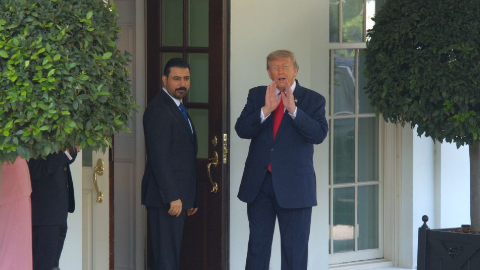
Trump has backed the legislation and said he believes it has a strong chance of becoming law. [5] "This is in honor of Lindsey. This was his thing. He wanted this more than anything. You know how he felt, and there's a good chance that it gets done," Trump told reporters. [5] The US president also suggested that sanctions targeting Iran and Hezbollah could potentially be added to the bill, calling such measures a "very big thing". [5] However, Blumenthal cautioned against expanding the scope of the legislation. [5] "With all due respect to the president, he has approved this bill, and we should move forward with this bill rather than opening it, in my view, to other potential targets," he said, according to Reuters. [5]
US Pressure on Allies for Defense Spending
United States tensions with partners over spending levels continue amid broader geopolitical pressures. Why America keeps pressing its allies and partners to spend more on defence remains a central focus for the administration as it navigates multiple fronts. [1]
Global Summit on Far-Left Terrorism
Secretary of State Marco Rubio is bringing together officials from more than 70 countries in Washington on Thursday as the Trump administration intensifies its effort to build an international coalition against what it calls the growing threat of transnational far-left terrorism. [3] [4] Rubio to Host Global Summit on Far-Left Terrorism reflects the administration's push to address this issue through multilateral engagement. [3] [4]
Divisions in Congress Over Israel Policy
House Democrats are deeply divided ahead of an expected vote this week on the proposed amendment sponsored by Rep. Thomas Massie, R-Ky., to block U.S. funding for Israel, exposing growing tensions within the party over support for Israel and the war in Gaza. [2] Growing Anti-Israel Pressure Splits House Dems on Massie Bill highlights the internal splits. [2]
What to watch next: The revised bill now moves closer to Senate consideration as lawmakers seek to balance pressure on Russia with concerns over global energy markets and diplomatic relations with major US partners. [5]