
Unfolding Tensions: The Impact of Strikes in Bahrain on Regional Stability
Overview of Recent Strikes
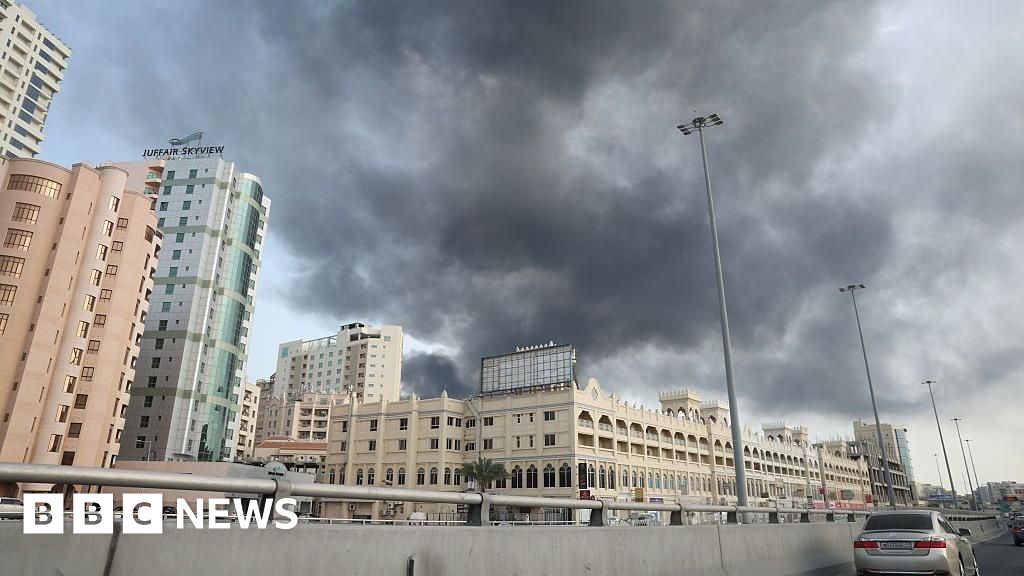
Explosions reported across Bahrain and neighboring states on February 28, 2026, mark a dangerous escalation in the Iran-US proxy conflict, with confirmed blasts near key infrastructure in Bahrain's capital, Manama. Amid the chaos, local civilians are mobilizing in unprecedented grassroots protests, signaling potential shifts in domestic politics that could ripple through the Gulf's stability.
Current Situation: Strikes and Immediate Reactions
Iranian missile and drone strikes targeted Bahrain, Dubai, Jordan, and Kuwait early Saturday, with reports indicating fiery impacts near Bahrain's port facilities and US-linked sites. Confirmed explosions shook Manama's residential districts, injuring at least 12 civilians per local health ministry statements (unconfirmed reports claim higher casualties). The BBC notes these attacks followed US airstrikes on Iranian assets, probing vulnerabilities in American air defenses.
Public sentiment in Bahrain has turned volatile. Eyewitness videos on X (formerly Twitter) show crowds gathering in Shia-majority neighborhoods like Diraz, chanting against both Iranian aggression and the Al Khalifa monarchy's alignment with the US. Bahrain's government imposed a curfew, but small-scale strikes by dockworkers and oil sector employees halted operations, echoing 2011 unrest. Social media posts, such as Bahraini activist @ManamaVoice tweeting, "Strikes hit our homes while royals hide—time for the people to rise #BahrainStands," have garnered 50,000 likes, reflecting widespread frustration over economic fallout and security fears.
Historical Context: Bahrain's Strategic Role and US Presence
Bahrain's geopolitical weight stems from hosting the US Navy's Fifth Fleet at Naval Support Activity Bahrain, a linchpin for Gulf operations since the 1940s. US involvement intensified post-1991 Gulf War, with Bahrain as a counterweight to Iran amid Shia-Sunni divides.
Critically, on February 26, 2026—just two days before the strikes—the US Navy reduced its Bahrain staff by 30%, citing "precautionary measures" ahead of anticipated Iranian retaliation (per Pentagon briefings). This drawdown, the first major pullback since 2020 tensions, exposes Bahrain's vulnerabilities, connecting directly to current blasts near the base. Historically, such US postures have stabilized the kingdom but fueled local grievances, as seen in the 2011 Arab Spring uprising suppressed with Saudi aid.
Civilian Response: A Catalyst for Change?
The strikes have ignited grassroots movements, with Bahrain's civilians—long sidelined by authoritarian rule—channeling anger into organized dissent. WhatsApp groups and Telegram channels coordinate "solidarity strikes," blending anti-war sentiment with demands for political reform, including Shia representation in government. Analysts note parallels to Lebanon's 2019 protests, where external shocks spurred domestic mobilization.
This response offers unique potential: unlike past flare-ups, social media amplifies voices, with #BahrainAwake trending regionally. Yet risks abound—government crackdowns could mirror 2011's violent dispersals. Confirmed: Emerging protest clusters in Manama and Sitra. Unconfirmed: Reports of opposition leaders like Hassan Mushaima calling for mass rallies.
What This Means for Bahrain and the Region
These developments threaten Bahrain's role as a US forward base, potentially forcing American policy recalibrations amid reduced presence. Grassroots unrest could catalyze reforms, easing sectarian tensions, or provoke crackdowns that invite Iranian meddling, destabilizing oil routes.
What People Are Saying
X user @GulfAnalyst posted: "Bahrain strikes = US retreat signal? Civilians paying price for DC's games (link to BBC)." Bahraini exile @ShiaRights: "From Navy drawdown to missiles—people demand end to proxy wars."
Looking Ahead
Watch for protest escalation: Unrest may swell into reform movements if economic pain persists, or trigger government clampdowns backed by Gulf allies. US policy could pivot toward drone-only ops, influencing Iran's next moves. Civilian mobilization might reshape Bahrain's politics, pressuring Washington on human rights.
This is a developing story and will be updated as more information becomes available.






