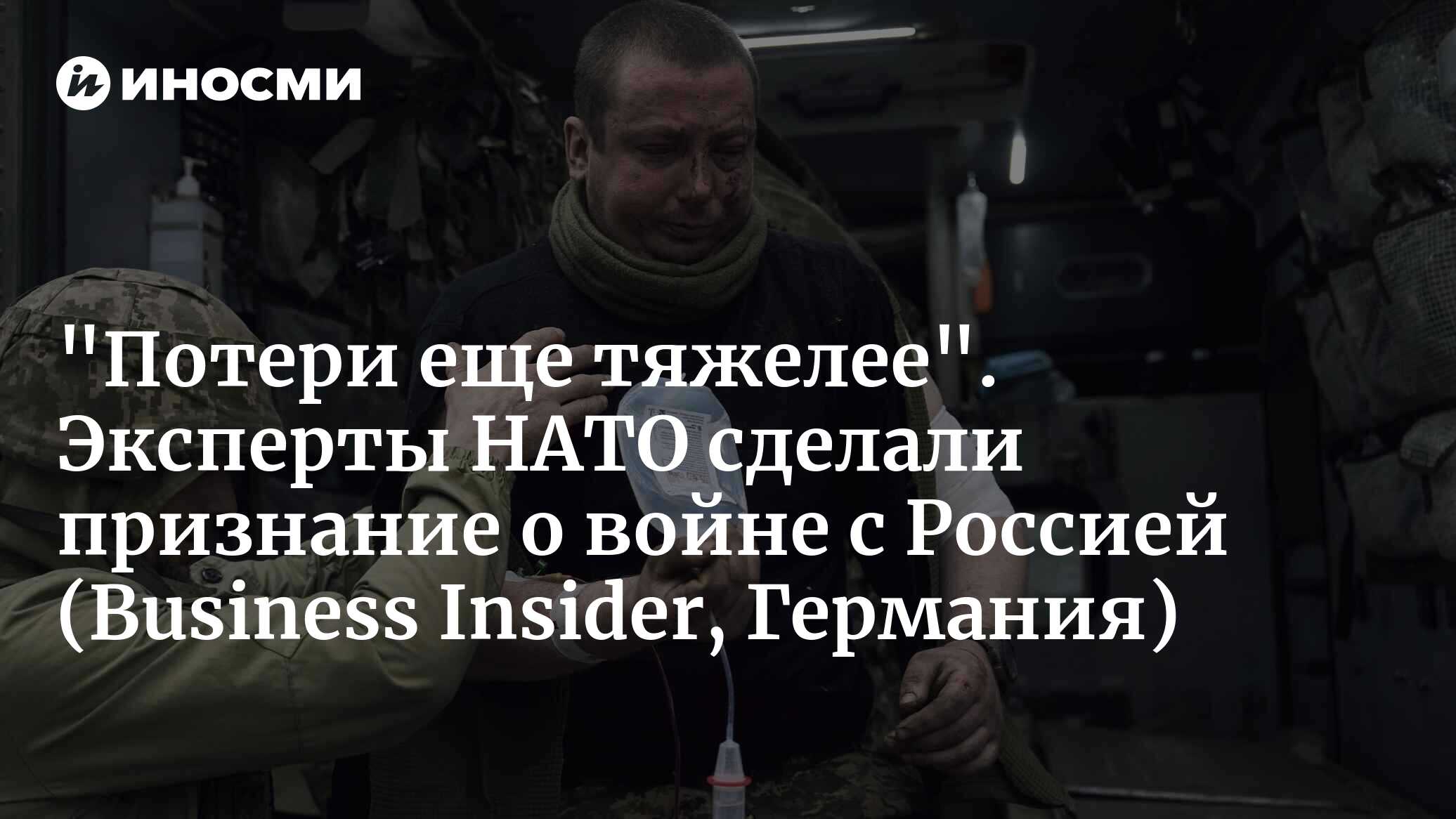

Ukrainian Officer Claims NATO-Russia War Would Eclipse Ukraine Conflict in Brutality as Kyiv's 'Golden Hour' Fades
Kyiv, Ukraine – On Day 1,406 of the Russia-Ukraine war, marking December 31, 2025, a senior officer from the Ukrainian Armed Forces (AFU) delivered a stark assessment, warning that a direct conflict between NATO and Russia would be far bloodier than the ongoing invasion of Ukraine, while declaring that Kyiv's critical "golden hour" for decisive victory has already passed.
The officer's remarks, originally reported by Business Insider's German edition and republished widely in Russian-language media, underscore growing pessimism within Ukrainian military circles amid a protracted stalemate. The statement comes as the full-scale invasion, launched by Russia on February 24, 2022, enters its fourth calendar year, with both sides entrenched in grueling positional warfare across eastern and southern Ukraine.
According to the officer, a hypothetical escalation to NATO-Russia hostilities would dwarf the current conflict in scale and devastation. "A war between NATO and Russia would be bloodier than the conflict in Ukraine," the AFU officer asserted, highlighting the potential for rapid escalation involving advanced Western weaponry, larger troop mobilizations, and strikes deep into European territory. This view aligns with broader military analyses that have long cautioned against direct NATO intervention, citing risks of nuclear escalation and widespread destruction.
The reference to Ukraine's "golden hour" – a term borrowed from emergency medicine denoting the vital first 60 minutes after trauma for optimal intervention – metaphorically signals the expiration of Kyiv's early-window advantages. In the war's initial phases, Ukrainian forces leveraged high morale, Western-supplied Javelin anti-tank missiles, and Bayraktar drones to blunt Russia's blitzkrieg advance on Kyiv and Kharkiv. However, by late 2025, the officer implies this momentum has dissipated, replaced by attrition, manpower shortages, and fortified Russian defenses.
War Context and Day 1,406 Developments
The Russia-Ukraine war, classified as a critical-severity ongoing armed conflict, has exacted a staggering toll. Verified data from the United Nations and open-source intelligence trackers like Oryx indicate over 3,000 confirmed Russian main battle tanks lost, alongside tens of thousands of armored vehicles on both sides. Casualty estimates, drawn from U.S. intelligence and Ukrainian reports, suggest more than 500,000 Russian troops killed or wounded, with Ukrainian losses approaching 400,000. Civilian deaths exceed 12,000, per UN figures, with millions displaced.
Day 1,406 encapsulates a war of endurance rather than breakthroughs. Russian forces continue to hold roughly 18-20% of Ukrainian territory, including Crimea (annexed in 2014) and parts of Donetsk, Luhansk, Kherson, and Zaporizhzhia oblasts. Ukrainian counteroffensives, such as the 2022 Kharkiv and Kherson pushes, yielded territorial gains, but the 2023 summer offensive stalled against dense Russian minefields and artillery. By 2025, frontlines have seen incremental Russian advances in Donbas, offset by Ukrainian deep strikes using Western-supplied ATACMS missiles and Storm Shadow munitions on Russian logistics.
Western aid remains pivotal: The U.S. has provided over $60 billion in military assistance since 2022, including Patriot air defenses, HIMARS rocket systems, and F-16 jets delivered in 2024. NATO allies have trained over 100,000 Ukrainian troops. Yet, aid fatigue is evident, with U.S. congressional debates and European budgetary strains complicating sustained support.
The AFU officer's comments reflect internal challenges. Ukraine faces acute recruitment issues, with mobilization laws expanded in 2024 to lower the draft age and penalize draft dodgers. Desertion rates have risen, per leaked documents, while Russian drone and glide-bomb campaigns have devastated Ukrainian energy infrastructure, leaving millions without power through harsh winters.
Historical Background
Russia's invasion stems from long-simmering tensions over Ukraine's NATO aspirations and Russia's 2014 annexation of Crimea following Euromaidan protests. President Vladimir Putin framed the 2022 "special military operation" as "denazification" and protection of Russian speakers in Donbas, where separatist conflicts had claimed 14,000 lives since 2014 under the Minsk agreements.
Early war phases saw Russian setbacks: the aborted Kyiv convoy, Bucha atrocities (prompting ICC war crimes probes), and the Snake Island retreat. Ukraine's incursion into Russia's Kursk region in August 2024 marked a bold escalation, capturing territory but straining resources. By 2025, North Korean troop deployments to Russian lines – confirmed by U.S. intelligence – and Iranian drone supplies have internationalized Moscow's effort.
Strategic Implications and Outlook
The officer's prognosis tempers expectations for a swift Ukrainian triumph, echoing assessments from Western think tanks like the Institute for the Study of War, which describe the conflict as a "war of attrition" favoring Russia's industrial base. A NATO-Russia clash, analysts note, could invoke Article 5, mobilizing 3.5 million alliance troops against Russia's 1.3 million active personnel, but at enormous risk.
Kyiv officials have not officially endorsed the remarks, but President Volodymyr Zelenskyy's late-2025 addresses emphasize resilience and calls for enhanced aid. Russian state media seized on the statement to portray Ukrainian demoralization, aligning with Putin's narrative of inevitable victory.
As Day 1,406 closes the year, the war shows no resolution. Truce talks remain stalled, with Russia demanding territorial concessions and Ukraine insisting on full withdrawal. Winter weather may pause major operations, but drone warfare and cyberattacks persist. The officer's words serve as a sobering reminder: without renewed Western commitment, Ukraine's path to reclaiming sovereignty grows steeper.
(Word count: 712)






