
Ukrainian Intelligence Executes Deception Operation Against Moscow
In a significant intelligence maneuver, Ukrainian operatives successfully deceived Moscow by faking the death of a prominent Russian far-right activist. This operation not only misled Russian authorities but also exposed several enemy agents embedded within Ukrainian territory. The operation was reportedly conducted on January 2, 2026, and highlights the evolving tactics in the ongoing Russia-Ukraine conflict, which has persisted since February 2022.
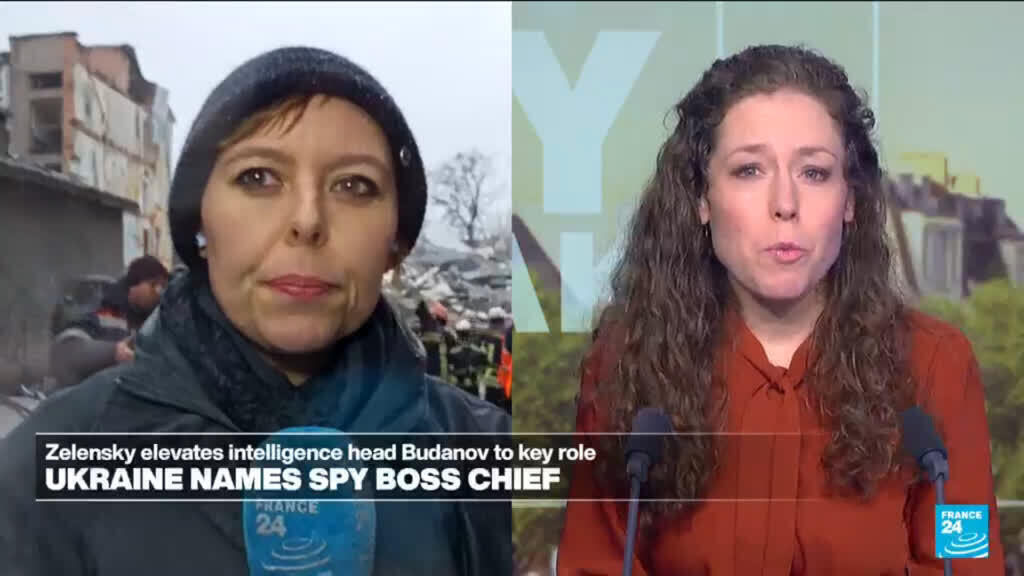
Kyrylo Budanov, the head of Ukraine's military intelligence, has been instrumental in such operations. In a recent shakeup, President Volodymyr Zelenskyy appointed Budanov as his chief adviser, underlining the importance of intelligence in Ukraine's strategy moving forward. This change aims to bolster Ukraine's position in ongoing U.S.-backed negotiations aimed at resolving the nearly four-year conflict with Russia.
The fake death of the Russian nationalist, whose identity has not been disclosed, served multiple strategic purposes. Firstly, it was designed to create confusion within Russian intelligence circles, potentially leading to misallocation of resources and efforts to investigate a non-existent threat. Secondly, the operation successfully identified several Russian agents operating within Ukraine, allowing Ukrainian intelligence to take preemptive measures against these individuals.
This operation aligns with Ukraine's broader strategy of employing deception and psychological warfare to counter Russian military activities. The conflict has seen both sides engage in espionage and counterintelligence, with Ukraine increasingly focusing on disrupting the command structure of Russian forces. The recent developments underscore the vital role of intelligence in modern warfare, where information can be as potent as conventional weaponry.
President Zelenskyy's decision to elevate Budanov to a key advisory role comes as part of a larger initiative to enhance military and intelligence capabilities. Alongside Budanov's appointment, Zelenskyy has proposed a new defense minister with expertise in drones and digital warfare, indicating a shift towards modernizing Ukraine's military approach. This reorganization reflects the urgency of strengthening Ukraine’s defenses as it looks to negotiate from a position of strength.
As the conflict continues with no clear resolution in sight, these developments highlight the ongoing volatility in the region. The deception operation serves as a reminder of the complex dynamics at play and the high-stakes environment in which both Ukraine and Russia are operating. Analysts suggest that Ukraine's efforts to leverage intelligence operations could play a pivotal role in shaping the future of the conflict.
In conclusion, Ukraine's recent successful intelligence operation not only demonstrates the effectiveness of their espionage tactics but also emphasizes the strategic importance of intelligence leadership in the ongoing war against Russia. As Kyiv continues to navigate this protracted conflict, the ability to adapt and innovate in intelligence operations will be crucial in their pursuit of peace and security.
The conflict in Ukraine remains a focal point of international attention, with the potential for broader implications as the stalemate continues.