
Ukrainian Forces Repel 271 Russian Attacks in One Day Across Multiple Fronts
Intense Fighting on Key Ukrainian Fronts
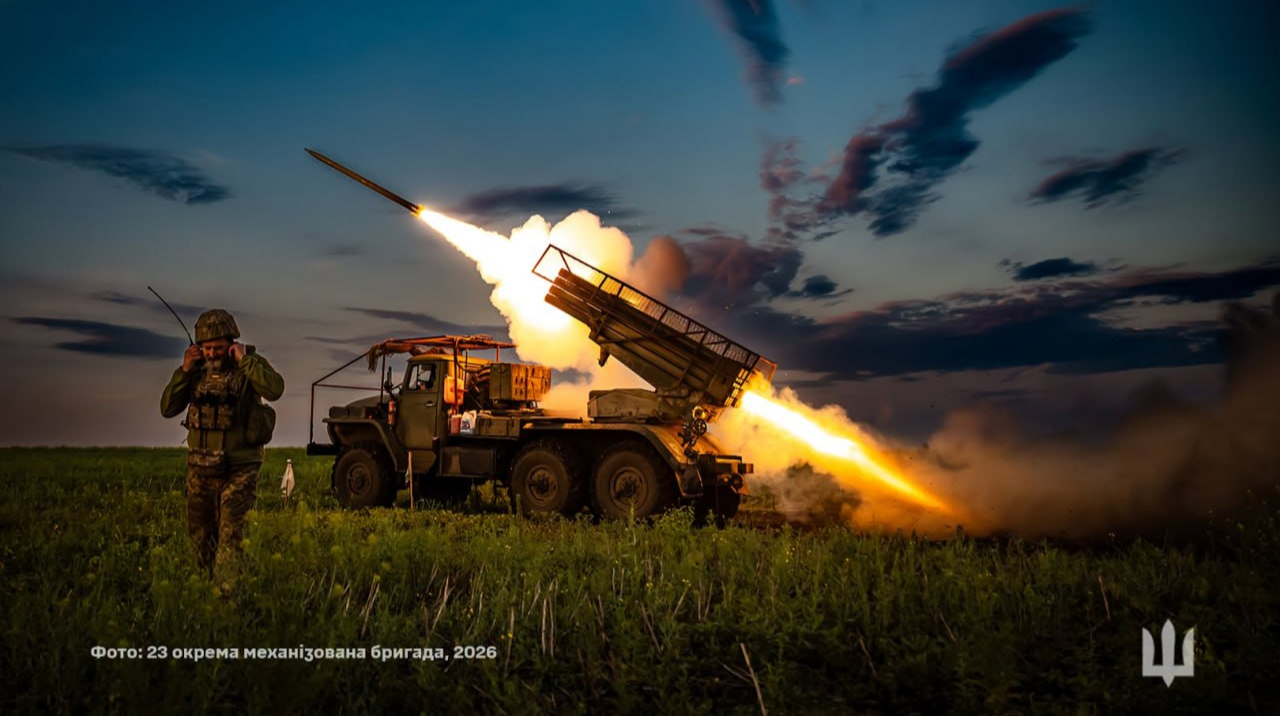
Ukrainian forces recorded 271 combat clashes with Russian troops over the past day, with more than 100 attacks concentrated on the Pokrovsk, Sloviansk and Huliaipole fronts. [1] Russian forces conducted 51 assaults on the Pokrovsk front near multiple settlements including Ivanivka, Dorozhnie and Udachne, all repelled by Ukrainian defenders. [1] On the Sloviansk front, 27 Russian attacks targeted areas near Kryva Luka, Rai-Oleksandrivka, Riznykivka and Zakitne. [1] Russian troops launched 24 attacks on the Huliaipole front towards Dobropillia, Hirke, Tsvitkove and other settlements. [1] Ukrainian defenders continue to inflict losses on Russian troops, putting up effective resistance along the entire front line. [1]
Russian Assaults Across Eastern Ukraine
Additional clashes occurred on the Lyman front with 17 attempts, the Kostiantynivka front with 18 attacks and the South Slobozhanshchyna front with 12 attacks, while the Orikhiv, Prydniprovske, Volyn and Polissia fronts saw no offensive actions. [1] On the North Slobozhanshchyna front and in the operational zone in Russia's Kursk Oblast, two combat clashes were recorded over the past day, with the Russians conducting 55 strikes on Ukrainian positions and settlements, including two from multiple-launch rocket systems. [1] On the Kupiansk front, Russian troops conducted two attacks towards the settlements of Kupiansk-Vuzlovyi and Kivsharivka. [1] On the Kramatorsk front, Russian soldiers carried out two attacks near the village of Nykyforivka. [1] On the Oleksandrivka front, Russian forces attacked four times near the village of Kalynivske and towards Verbove. [1]

Ukrainian forces repel 271 Russian attacks across multiple fronts in eastern Ukraine. — Source: reliefweb
UN Response to Sudan Paramilitary Escalation
The UN Human Rights Council has unanimously condemned the paramilitary Rapid Support Forces for escalating violence in and around El Obeid, warning that the North Kordofan capital faces a growing risk of mass atrocities. [2] The resolution condemns the RSF and allied forces for escalating attacks around the city and warns of an imminent risk of mass atrocities, including conflict-related sexual violence. [2] It also denounces attacks on civilians and civilian infrastructure, including reported drone strikes on hospitals, and condemns the use of starvation as a weapon of war through restrictions on aid, fuel and water. [2] The council called for an immediate ceasefire, unhindered humanitarian access, independent monitoring and investigations into alleged violations of international humanitarian and human rights law. [2] The International Criminal Court Deputy Prosecutor Nazhat Shameem Khan is due to brief the UN Security Council on Darfur on Tuesday from Chad. [2] After visiting Farchana refugee camp, Khan said investigators had made significant progress in gathering evidence of crimes committed in El Fasher and El Geneina. [2]
Predatory Peace Dynamics in South Sudan
Political settlements theory helps explain why peace agreements often focus on dividing power, offices and resources among elites. [3] Negotiated transitions can also carry wartime systems into peace. [3] The question, then, is not only who gets a share of the state, but what kinds of war economies, revenue systems and coercive practices are being preserved. [3] Peace settlements have redistributed access to money, offices and external finance among elites, while leaving intact the coercive revenue system and war economies that preceded them. [3] In some cases, peace has formalised those systems by turning wartime access to extraction into recognised office, revenue authority or security control. [3] Violence changes form rather than ending; it recedes from the battlefield and lodges in the revenue systems, security forces and war economies that continue to extract from civilians. [3] South Sudan's national revenue system includes taxes, customs, fees, oil revenues, international loans, aid and off-budget income. [3] It also includes non-monetary extraction, such as cattle, grain, labour and goods taken from civilians. [3] These flows are enforced through soldiers, security forces, government offices and checkpoints. [3] In 2012, the president conceded that some US$4 billion in oil money had simply been stolen. [3] In 2026, a UN panel of experts found that South Sudan continued to sell oil months in advance of delivery, and that disputes over undelivered oil cargoes and oil-backed debts had reached UK commercial courts. [3]
Ongoing Humanitarian Strain in Syria
Since early 2026, Syria has faced compounding humanitarian crises, including renewed hostilities in Aleppo and the north-east, severe flooding along the Euphrates, and a significant influx of over 460,000 people from Lebanon. [4] This turmoil has severely strained public services, leaving 1.2 million people — including 295,000 women of reproductive age — in urgent need of assistance. [4]
Israeli Operations in Occupied West Bank
The Israeli army launches fresh raids amid intensified operations in occupied West Bank. [5] Military tightens measures at checkpoints, detains Palestinians during raids across several cities. [5]
What to watch next: The UN Human Rights Council resolution on Sudan calls for independent monitoring and investigations, while the ICC continues gathering evidence in Darfur and efforts to execute arrest warrants for former officials.