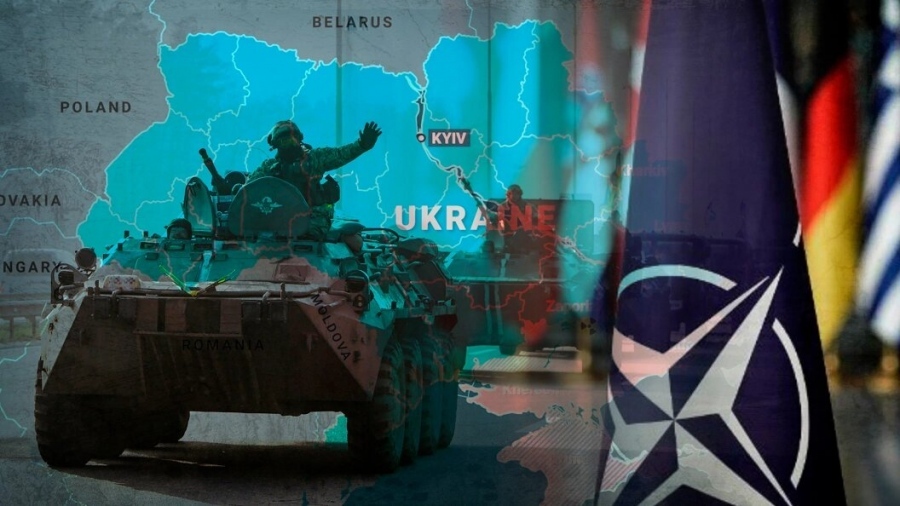

Ukrainian Drone Strike Sets Russian Oil Depot Ablaze in Belgorod Oblast
Belgorod Oblast, Russia – A major oil depot in Russia's Belgorod Oblast erupted in flames on January 7, 2026, following a drone attack that Russian officials have attributed to Ukraine. The incident, which began at approximately 11:39 GMT, marks a significant escalation in cross-border strikes amid the ongoing Russia-Ukraine conflict.
The high-severity event has drawn immediate attention due to its potential impact on Russia's energy infrastructure. Local authorities reported the depot, a key facility in the region bordering Ukraine, was struck by unmanned aerial vehicles (UAVs), leading to a large-scale fire. Visuals and statements from Russian sources indicate thick plumes of smoke rising from the site, with emergency response teams mobilized to contain the blaze. No immediate casualty figures have been released, but the attack underscores the vulnerability of logistical hubs near the front lines.
Russian officials were quick to assign blame, claiming the drones originated from Ukrainian territory. Belgorod Governor Vyacheslav Gladkov, who frequently addresses such incidents, confirmed the strike via official channels, stating that firefighting efforts were underway and urging residents to avoid the area. This follows a pattern of Ukrainian drone operations deep into Russian territory, aimed at disrupting military and economic support for Moscow's war effort in Ukraine.
Escalation in Belgorod: A Hotspot of Conflict
Belgorod Oblast, located just across the border from Ukraine's Kharkiv region, has been a flashpoint since Russia's full-scale invasion of Ukraine began in February 2022. The area has endured repeated cross-border shelling, missile strikes, and drone incursions, with civilian and infrastructure targets frequently hit. In December 2023, a rocket attack on Belgorod killed 25 people, prompting widespread outrage in Russia and vows of retaliation from President Vladimir Putin.
Ukraine has not officially claimed responsibility for the January 7 oil depot strike, consistent with its policy on operations inside Russia. Kyiv maintains that such actions target military assets fueling the invasion, including fuel supplies critical to Russian armored units. The depot's location near major highways and rail lines amplifies its strategic value, potentially affecting fuel distribution to frontline forces.
This incident occurs against a backdrop of intensified long-range strikes by both sides. Ukraine has expanded its drone capabilities, with attacks reaching as far as Moscow and Siberia in recent years. Russia, in response, has bolstered air defenses and conducted massive retaliatory barrages on Ukrainian energy grids, leaving millions without power during winter months.
Broader Context of the Russia-Ukraine War
The conflict, now entering its fourth year, has evolved into a war of attrition with significant reliance on drones and precision munitions. According to the Institute for the Study of War (ISW), Ukraine's drone program has grown exponentially, supported by Western aid including U.S. and British intelligence. Strikes on Russian oil facilities are not unprecedented; in 2022 and 2023, Ukraine targeted refineries in Ryazan and Krasnodar regions, causing temporary shutdowns and contributing to global oil price volatility.
Economically, Russia's oil sector remains a pillar of its war economy, generating revenues despite Western sanctions. The loss of Black Sea export routes has forced reliance on pipelines and rail, making depots like the one in Belgorod prime targets. Analysts note that sustained attacks could strain fuel logistics, though Russia's vast reserves provide a buffer.
Internationally, the strike has elicited predictable reactions. NATO members have urged restraint to avoid broader escalation, while Moscow accuses the West of enabling "terrorist acts." U.S. officials, monitoring the situation, reiterated support for Ukraine's right to self-defense without commenting on specific operations.
Outlook and Implications
As firefighters battle the blaze, questions linger about the extent of damage and any environmental fallout from burning fuel. Russian air defenses intercepted several drones en route, per preliminary reports, suggesting a multi-wave assault. The event could prompt intensified Russian strikes on Ukrainian positions near Belgorod, perpetuating the cycle of retaliation.
With peace talks stalled and U.S. elections influencing aid flows, such incidents highlight the conflict's entrenched nature. Energy security in the region remains precarious, with potential ripple effects on European gas markets if disruptions spread.
The World Now will continue monitoring developments as more details emerge from the site.
(Word count: 612)






