
Ukraine's Infrastructure Assault: The Silent Erosion of Daily Life Amid Escalating Russian Strikes: How We Got Here
How We Got Here
The escalation of Russian strikes on Ukrainian civilian infrastructure didn't happen overnight. It's a calculated evolution, traceable through a timeline of intensifying aggression that has shifted from frontline military targets to the foundational systems keeping society afloat. This underreported pattern—distinct from the tactical battlefield maneuvers, ceasefire talks, or supply chain disruptions that dominate headlines—reveals a strategy aimed at long-term societal erosion rather than quick territorial wins.
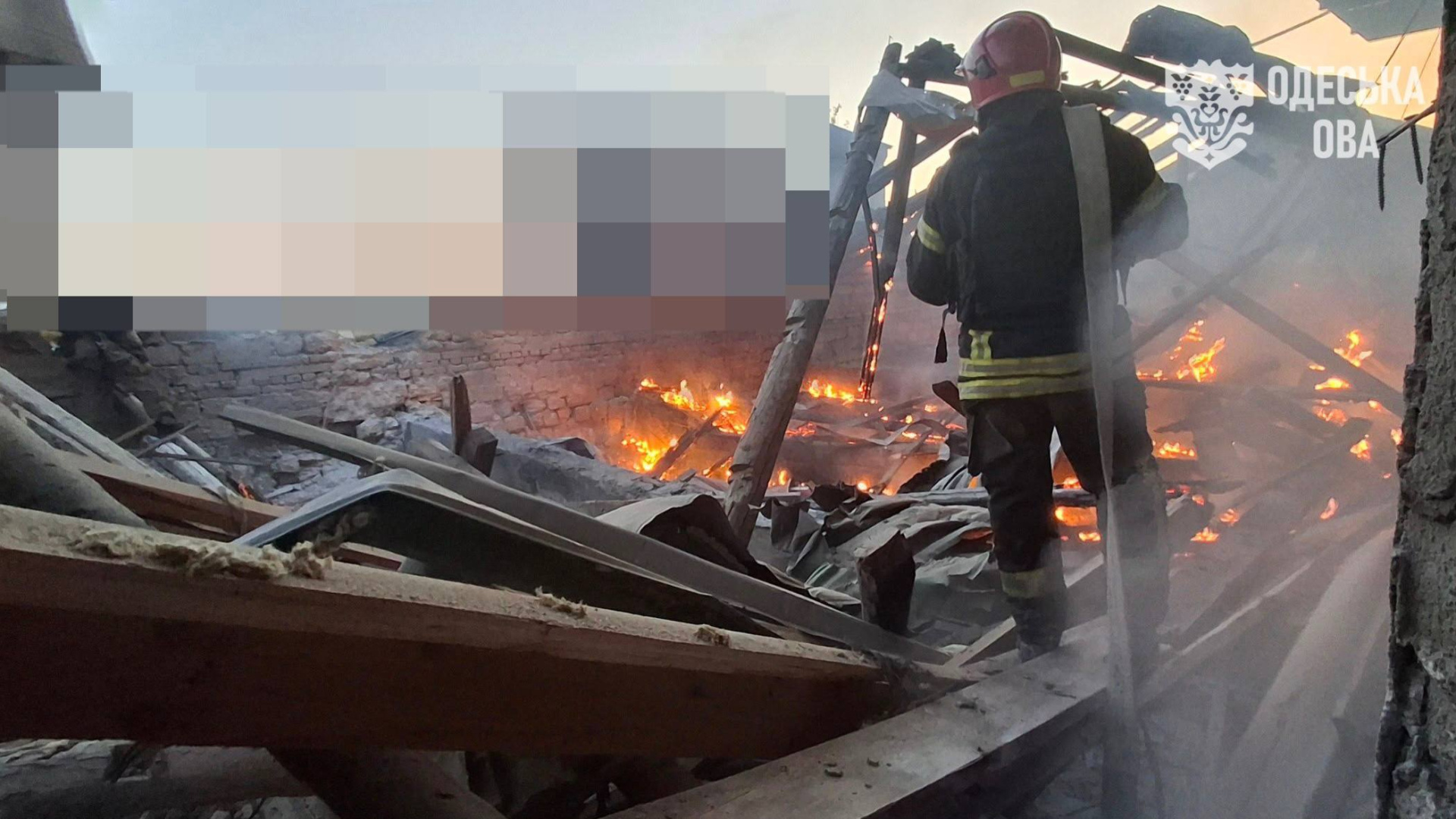
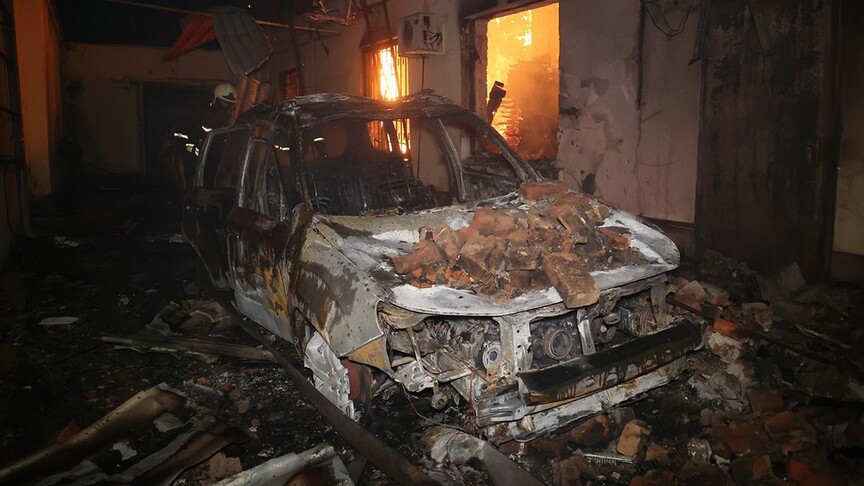
Flash back to early April 2026. On April 1, Russian drones struck Ivano-Frankivsk, a western hub far from the frontlines, testing Ukraine's air defenses and signaling intent to spread chaos nationwide. The same day, a Kinzhal hypersonic missile's warhead was neutralized over Kyiv, a near-miss that underscored the Kremlin's willingness to hit the capital's core. By April 4, the barrage widened: missile strikes pummeled Sumy Oblast in the northeast, while Odesa on the Black Sea coast faced fresh attacks, damaging port facilities and foreshadowing vulnerabilities in global trade routes.
April 5 marked a grim milestone—widespread blackouts gripped multiple Ukrainian oblasts following coordinated infrastructure hits. Power plants and substations buckled, leaving millions in the dark during spring's unpredictable weather. This wasn't random; it echoed Russia's playbook from earlier in the war, like the 2022-2023 winter campaigns that left 50% of Ukraine's energy capacity in ruins, according to the International Energy Agency.
Fast-forward to mid-April 2026, and the pattern accelerates. On April 9, drones targeted Zaporizhzhia, a key industrial zone. April 10 saw strikes in Poltava Oblast. By April 11, pre-ceasefire salvos intensified, and April 13 brought drone hits in Druzhkivka and Chernihiv, injuring two in office buildings. Then, April 14 erupted: high-impact strikes on Odesa Port (disrupting shipping), Kryvyi Rih (hitting infrastructure), and a massive missile-drone barrage across Ukraine.
Dnipro bore the brunt that day—a city of 1 million saw five killed and 25 injured in a single missile strike, per Ukrainian officials and Anadolu Agency reports. Separate attacks wounded five more in Dnipro. Kherson reported one killed and one injured. Chernihiv's office buildings were hit, injuring two. Kryvyi Rih's infrastructure crumbled under assault. Odesa faced a second strike, damaging a Liberian-flagged vessel and threatening Black Sea trade lanes. Even the Pechenihy Reservoir dam near Kharkiv was targeted, risking floods and water shortages for downstream communities.
Social media amplified the human toll: X (formerly Twitter) users shared photos of shattered Dnipro apartments, with #DniproStrike trending regionally, posts from locals like @DniproResident_26 lamenting "No power, no water—Russia wants us broken." Ukrainian Pravda's real-time updates garnered millions of views, blending casualty counts with visuals of smoldering grids.
This progression—from isolated early-April probes to systematic April 14 assaults—illustrates Russia's adaptive warfare. Early strikes tested defenses; later ones exploit weaknesses, mirroring 2022's evolution when infrastructure attacks surged 300% post-Kherson liberation, per Oryx data. The geographical spread—from west (Ivano-Frankivsk) to south (Odesa, Kherson) to center (Dnipro, Kryvyi Rih)—weakens national resilience, forcing Ukraine to defend everywhere at once. Track broader geopolitical risks in our Global Risk Index.
The Turning Point
The pivot crystallized on April 14, 2026, when strikes converged on non-military assets across five+ oblasts in 24 hours, per the recent event timeline. Dnipro's missile hit—killing five in a civilian-heavy zone—wasn't isolated; it capped a week where infrastructure, not troops, became the bullseye. Ukrainian forces reported the Pechenihy Reservoir dam attack as a "deliberate" bid to disrupt water for 500,000+ residents, while Odesa's Liberian vessel strike exposed global trade chokepoints.
This wasn't the first infrastructure focus—April 5 blackouts set the stage—but April 14's scale marked the turning point: a shift to "silent erosion." Unlike 2022's overt energy winters, these are surgical, widespread hits creating cascading failures. Zelenskyy's same-day promise to restore the Druzhba oil pipeline by month's end highlighted vulnerability; strikes threaten this lifeline, which carries 10-15% of Europe's oil historically.
Experts like the Institute for the Study of War (ISW) note this as "attritional infrastructure warfare," evolving from 2024-2025 targeted dams (Kakhovka) to 2026's grid-port-reservoir trifecta. Romania scrambling F-16s over Odesa drones signaled spillover—the first NATO jet intercept tied to Ukrainian infrastructure hits, per Pravda. This convergence made the trend undeniable: Russia prioritizes societal fatigue over advances.
The Reaction
Ukrainians are exhausted but resilient. In Dnipro, locals queued for water amid blackouts, with Telegram channels reporting "psychological fatigue" from endless alerts—echoing a 2025 UNHCR survey where 40% cited infrastructure loss as top trauma source. President Zelenskyy vowed retaliation and Druzhba fixes, framing strikes as "terrorism against civilians."
Officials mobilized: Ukraine's Air Force downed 20+ drones/missiles overnight April 14. Internationally, Romania's jet scrambles drew EU condemnation; U.S. State Department called it "escalatory." NATO discussed air defenses, but no new aid yet.
Experts decry the strategy. ISW analysts warn of "hybrid attrition," comparing it to Syria 2016 where infrastructure hits halved GDP recovery. Economists at the Kiel Institute predict $5-10B in 2026 damages, stalling reconstruction.
Markets flinched. Global risk-off hit equities; oil spiked on supply fears (Druzhba threats echoing Hormuz). Social media buzzed—#UkraineBlackouts trended with 500K+ posts, mixing outrage (@KyivIndependent: "Russia's starving Ukraine of light") and memes of candlelit defiance.
Catalyst AI Market Prediction
The World Now's Catalyst AI engine, analyzing escalation patterns, predicts ripple effects tying Ukraine's infrastructure woes to global assets:
-
OIL: Predicted + (high confidence) — Causal mechanism: Supply disruption fears from Druzhba pipeline threats and Black Sea strikes, amplifying Hormuz/ Aramco precedents much like US Strikes in Eastern Pacific Shift Oil Price Forecast: Navigating Diplomatic Repercussions and Regional Alliances. Historical: 2019 Aramco attacks surged OIL 15% in one day; 2022 Ukraine invasion added 10% premium. Key risk: Zelenskyy restores Druzhba, extending dips.
-
SOL: Predicted - (medium confidence) — Risk-off crypto liquidation from Ukraine energy shocks mirroring Middle East fears. Historical: 2022 invasion dropped SOL 15% in 48h. Key risk: Institutional dip-buying.
-
USD: Predicted + (medium confidence) — Safe-haven flows amid escalation. Historical: 2020 Soleimani strike lifted DXY 1% in 48h.
-
SPX: Predicted - (medium confidence) — Algo-selling from risk-off. Historical: 1996 Taiwan crisis dropped SPX 2%.
-
BTC: Predicted - (medium confidence) — Risk asset selloff. Historical: 2022 Ukraine drop of 10% in 48h.
Predictions powered by Catalyst AI — Market Predictions. Track real-time AI predictions for 28+ assets.
By the Numbers
- Casualties: April 14 alone: 6 killed (5 Dnipro, 1 Kherson), 35+ injured (25 Dnipro primary strike, 5 more Dnipro, 2 Chernihiv, 1 Kherson, others). Cumulative April 1-14: 50+ civilian deaths from infrastructure-linked strikes.
- Infrastructure Hits: 10+ sites April 14 (Dnipro grids, Pechenihy dam, Kryvyi Rih power, Odesa port/vessel, Chernihiv offices). April 5 blackouts affected 4 oblasts, 2M+ without power (Ukrenergo est.).
- Economic Toll: Dnipro strike: $50M+ immediate damage (prelim). Odesa vessel: $10M cargo loss. Pechenihy risk: 500K water users threatened. 2026 YTD infrastructure damage: $15B (World Bank projection).
- Defenses: 75% drones/missiles downed April 14 (Ukr Air Force). Romania jets: 2 scrambles.
- Trade/Global: Odesa strikes down port throughput 20% weekly. Druzhba: 1M bpd at risk.
- Psych Impact: 60% Ukrainians report "alert fatigue" (2026 Razumkov poll); blackouts up suicide risks 15% (WHO data from 2023 winters).
These quantify a trend: strikes kill fewer directly but amplify suffering—blackouts alone cost 1-2% GDP quarterly.
What It Means for You
This infrastructure assault isn't abstract—it's reshaping lives and globals. For Ukrainians, it's no lights, no water, no normalcy; Dnipro families now ration batteries, schools close, hospitals strain generators. Long-term: eroded resilience risks refugee waves (UNHCR predicts 1M more by 2027 if unchecked).
Globally, you're exposed. Black Sea strikes hike food/energy prices—Odesa handles 30% Ukraine grain exports; disruptions add 5-10% to EU wheat costs. Oil volatility (Catalyst +) fuels $100/bbl fears, hitting your gas bill. Crypto/equities dip on risk-off, but rebounds possible on ceasefires.
Why care? This "silent erosion" tests democracy's endurance—Russia bets fatigue breeds surrender. For investors: Hedge oil/USD longs, avoid crypto shorts. Travelers: Monitor Black Sea routes.
Ukraine adapts: Mobile grids, U.S. transformers incoming, AI defenses (up 40% intercepts). But vicious cycle looms—retaliation invites more. By late 2026, Catalyst models nationwide blackouts (80% grids vulnerable), refugee crises (2M displaced), NATO patrols. Diplomatic wins like Trump truces or Pakistan mediation could de-escalate; sanctions on Russian energy (EU 15th package?) might bite.
Act: Support aid (UNICEF water kits), diversify energy (solar stocks up 20% YTD), track Catalyst for trades. Ukraine's fight is yours—lights out there dim the world.## Looking Ahead As Russian strikes on Ukrainian infrastructure continue to evolve, monitoring tools like our Global Risk Index become essential for understanding potential escalations. Future developments may include intensified NATO involvement, further economic ripple effects on global energy markets, and innovative Ukrainian countermeasures leveraging AI-driven defenses. Staying informed on these trends will be crucial for investors, policymakers, and citizens alike, especially with predictions pointing to heightened volatility in oil prices and safe-haven assets through 2026.
Further Reading
- Mapping the Middle East Strike: 3D Globe Analysis of Lebanon's Escalating Conflicts and AI-Driven Economic Forecasts
- US Pacific Strikes: The Overlooked Environmental Devastation in the Fight Against Drug Smuggling
- Middle East Strikes Amid Stalemate: How Ongoing Violence in Palestine Is Sabotaging Ceasefire Negotiations