Ukraine's Energy Crisis Amid Russian Strikes: Latest Update
By David Okafor, Breaking News Editor and Conflict/Crisis Analyst, The World Now
Ukraine is grappling with a severe energy crisis as Russian missile and drone strikes continue to target critical infrastructure, leaving millions without power during harsh winter conditions. This situation, escalating since January 2026, highlights strategic vulnerabilities and potential humanitarian fallout.
Current Status and Recent Developments
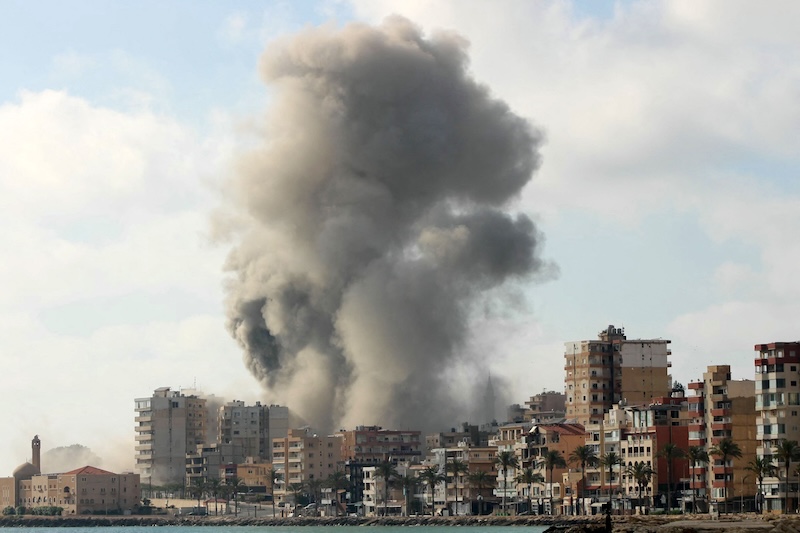
As of March 11, 2026, sustained Russian attacks have crippled Ukraine's energy grid, with Kharkiv facing widespread outages after a January 13 strike that killed two civilians. Ukraine has retaliated by targeting Russian military sites in Donetsk Oblast, as reported by the Kyiv Independent. Blackouts affect up to 30% of the grid, straining hospitals and households amid freezing temperatures.
Key events include:
- January 13: Russian missile strike on Kharkiv damages substations, impacting 200,000 residents.
- January 14: Drone attacks on Kryvyi Rih cause 40% blackouts, per Energoatom updates.
- January 15: President Zelenskyy declares a national energy emergency.
- March 10-11: Ukrainian drones hit Russian ammo depots in Donetsk, disrupting logistics.
Analysis and Outlook
Russia's focus on energy infrastructure aims to weaken Ukraine's economy and morale, exposing gaps in air defenses against affordable drones. This strategy could lead to a 10-15% GDP contraction if unresolved. Looking ahead, intensified strikes may cause nationwide blackouts by April, prompting NATO aid and potential sanctions. Ukraine's adoption of renewables offers hope for resilience, but risks escalate without immediate support.
What This Means
These developments underscore the war's shift to economic warfare, testing Ukraine's adaptability and international alliances. Persistent disruptions could strain global energy markets and heighten humanitarian needs, urging swift diplomatic action.