
Ukraine War Sees Russia Lose 1,320 Soldiers in One Day
The Ukraine war continues to produce heavy reported losses for Russian forces, with 1,320 soldiers killed or wounded in the past day alone according to the Ukrainian General Staff. [1] Cumulative estimates place total Russian combat losses since 24 February 2022 at approximately 1,384,190 personnel. [1]
Daily Russian Combat Losses
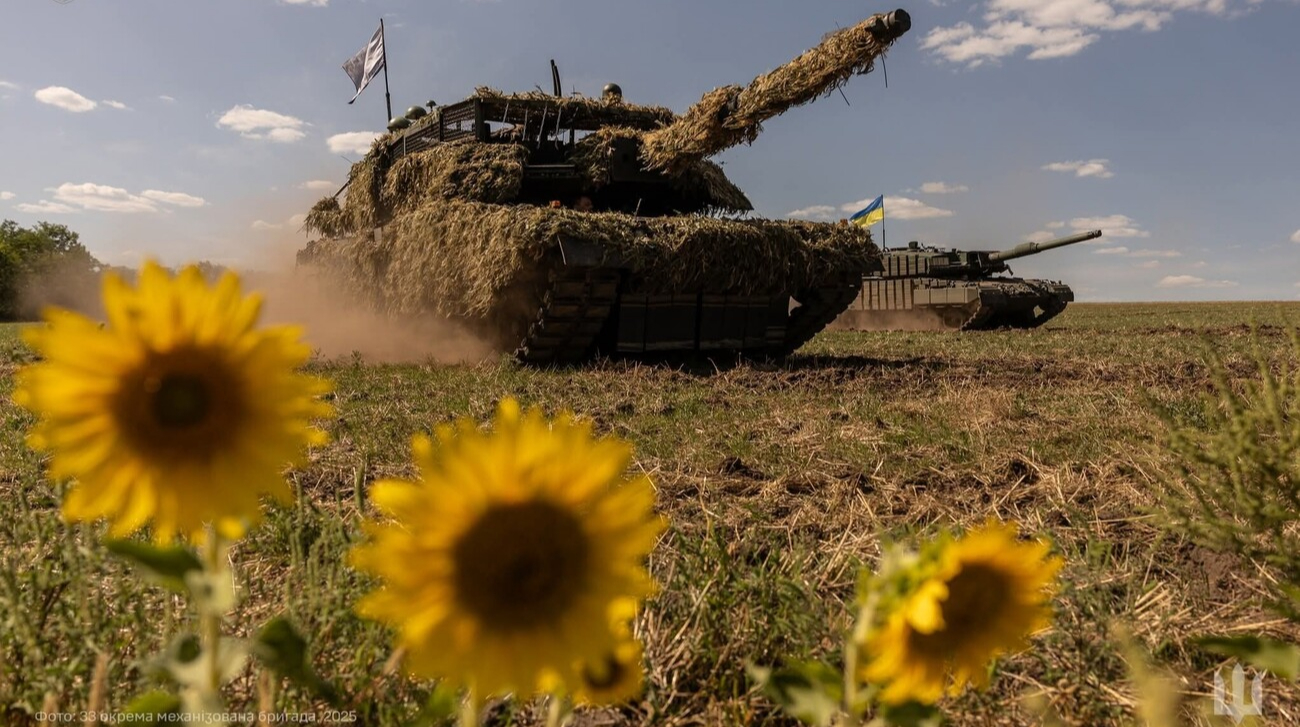
Russia has lost 1,320 soldiers killed and wounded over the past day. [1] The same period saw the destruction of 5 tanks and 416 vehicles and fuel tankers. [1] The General Staff of the Armed Forces of Ukraine released these figures on Facebook. [1] Total combat losses of the Russian forces between 24 February 2022 and 15 June 2026 stand at approximately 1,384,190 military personnel, 12,025 tanks, 24,763 armoured combat vehicles, 44,082 artillery systems, 1,870 multiple-launch rocket systems, 1,420 air defence systems, 436 fixed-wing aircraft, 353 helicopters, 1,664 ground robotic systems, 351,479 operational-tactical UAVs, 4,733 cruise missiles, 33 ships/boats, 2 submarines, 107,091 vehicles and fuel tankers, and 4,296 special vehicles and other equipment. [1] The information is being confirmed. [1]
Corruption Among Russian Contract Soldiers
Russian contract soldiers receive signing bonuses composed of payments from the state, region, and city. [2] Monthly salaries vary according to assigned tasks. [2] Many low-paid civilian workers from poorer regions sign contracts because one signature can deliver more money than years of regular employment. [2] Russia recruits contract soldiers in greatest relative numbers from poor remote areas, although the largest absolute numbers come from more populous regions. [2] Data on fallen soldiers show many originate from the Ural region, where wage gaps are large, recruitment offices are active, and military traditions run strong. [2] Ufa, a city of one million in the Urals, ranks among likely departure points. [2] Soldiers pay regular bribes for food, equipment, and supplies, with the money often reaching commanders. [2] Refusal to pay can lead to informal punishment such as constant harassment or assignment to life-threatening tasks. [2] Monthly protection payments allow some to avoid frontline duty. [2] Additional bribes can secure avoidance of dangerous combat missions. [2] Payments also cover transfers to other sectors of the front or different duties. [2] Bribes secure unofficial days off and longer leave periods. [2] Leaving the front without corruption proves extremely difficult. [2] Bribe amounts vary with local conditions and individual commanders. [2] More formal arrangements that require documents raise the cost. [2] As the war lengthens, bribes have increased because higher signing bonuses and salaries give soldiers more money to extract. [2] Families of fallen soldiers are entitled to substantial compensation, yet payments often face delays until an official death declaration. [2] Relatives may themselves resort to bribes to obtain compensation. [2]

Russian soldiers advance during the war in Ukraine. — Source: ylenews
Impact of Corruption on Russian Forces
The frontline bribery system reflects wider features of Russian society. [2] A senior researcher at the Finnish Institute of International Affairs, Margarita Zavadskaya, states that military corruption mirrors the broader political order marked by centralized power, weak accountability, opaque public spending, reliance on loyalty networks, politicized law enforcement, and selective punishment. [2] The invasion of Ukraine has created an entirely new corruption system in which survival itself is at stake. [2] Zavadskaya notes that this corruption reduces the combat capability of the armed forces. [2]
Zelenskyy-Trump Discussions on Ending the War

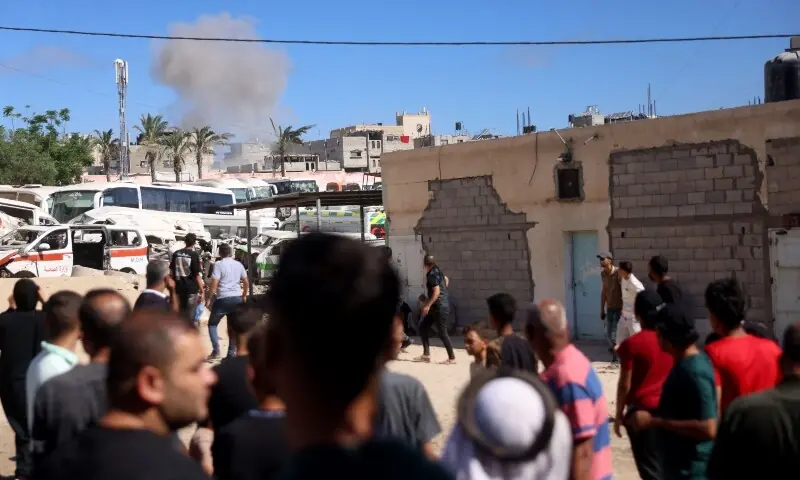
Russian forces suffer 1320 casualties in one day of fighting in Ukraine. — Source: gdelt
Ukrainian President Volodymyr Zelenskyy stated he will discuss the Russian invasion and efforts to end it during a meeting with US President Donald Trump at the G7 summit in France. [4] Zelenskyy spoke by phone with Trump on 14 June. [5] During that call Trump said there would have been no war in Ukraine if there had been strong leadership when Russia seized Crimea in 2014. [5] Zelenskyy recounted Trump’s words in an evening address: “it all started with Russia’s seizure of Crimea, and had there been strong leadership at that time, there would have been no war at all.” [5] Zelenskyy thanked Trump for US assistance and noted that the two presidents agreed to meet at forthcoming G7 events. [5] Zelenskyy conveyed the wish of all Ukrainians that peace can finally be achieved together with the United States and partners. [5]
Assessments of Putin's Strategy and Risks
Although Russian forces suffer enormous losses and fail to advance, Putin shows no sign of stopping. [3] Simon Tisdall, international affairs commentator for The Guardian, observes that Putin remains insulated from reality by officials, generals, security services, and state media that tell him what he wants to hear. [3] Because he lacks direct smartphone or internet access, Putin may continue to believe in victory and prolong the war. [3] If the information bubble bursts and Putin recognizes impending strategic and personal defeat, he is unlikely to seek peace. [3] More probable responses include expanding the war beyond Ukraine or drawing NATO countries into direct confrontation. [3] Moscow already intensifies hybrid pressure on Ukraine’s allies through cyberattacks, disinformation, attacks on critical infrastructure, interference in democratic processes, supply-chain disruption, and efforts to undermine public trust. [3] Russian drones and combat aircraft increasingly violate NATO airspace. [3] The Centre for Democracy & Resilience forecasts further strengthening of Russia’s hybrid warfare in Europe aimed at sowing fear and chaos to weaken Western unity. [3] European countries may eventually recognize they face collective attack and respond more forcefully. [3] Amid Europe’s largest rearmament since the 1930s, this dynamic risks bringing direct military conflict closer. [3] The stronger the Western response, the more radical Putin’s reaction could become. [3] Tisdall does not rule out Russian use of nuclear weapons. [3] Putin may instead attempt to freeze the conflict to regroup and rearm or accept a ceasefire without genuine intent for lasting peace. [3] Such an outcome could weaken Ukrainian unity under domestic pressure for troop returns and new elections while prompting European countries to reduce military aid. [3] A ceasefire lacking clear security guarantees would leave Ukraine more vulnerable to renewed aggression. [3]
Risks of Escalation in the Ukraine War
Western experts predict a ceasefire in the near term, yet optimism may prove premature. [3] Putin continues to view Russia as a superpower and may not accept that he is losing. [3] Even partial recognition of defeat could prompt wider conflict rather than negotiations. [3] Hybrid operations against Europe already form part of the response to battlefield setbacks. [3] Analysts warn that European recognition of collective attack could accelerate direct confrontation between the West and Russia. [3]
What to watch next: further hybrid attacks on NATO countries, possible attempts to freeze the conflict without lasting peace guarantees, and the planned Zelenskyy-Trump meeting at the G7 summit in France.