
Ukraine War: Russia and Ukraine Complete Exchange of 193 Prisoners of War Each
In the latest chapter of the war in Ukraine, Russia and Ukraine have carried out a significant prisoner of war exchange, with each side releasing 193 individuals to the other.[2] At the same time, Ukrainian military commanders have been dismissed following a scandal centered on allegations that soldiers under their command were starved of essential supplies.[2] These developments, alongside a reporter's firsthand observations from within Ukraine's nuclear facilities during the conflict, paint a picture of both humanitarian gestures and profound internal strains amid prolonged hostilities.[1][2]
Recent Prisoner of War Exchange
The prisoner of war exchange between Russia and Ukraine marks a notable instance of cooperation in the midst of the war in Ukraine.[2] Specifically, both nations traded 193 prisoners of war each, a figure that underscores a balanced negotiation outcome.[2] This event, detailed in recent updates from the Ukraine war latest coverage, represents a humanitarian breakthrough where captives from both sides were returned to their respective forces.[2]
Such exchanges are critical in conflicts like the war in Ukraine, where thousands of service members have been captured over time. The equal number—193 from Russia to Ukraine and 193 from Ukraine to Russia—suggests diplomatic channels remain functional for specific purposes, even as frontline fighting persists.[2] For the individuals involved, this means reunion with families, access to medical care, and potential reintegration into society or military duties. The process likely involved coordination through intermediaries, ensuring safe handover points away from active combat zones.[2]
From a strategic perspective, releasing 193 prisoners per side allows each military to regain personnel who could bolster defenses or provide valuable intelligence once debriefed.[2] It also alleviates pressure on detention facilities, which in prolonged wars like the one in Ukraine can strain resources. While the exact locations of the exchange remain unspecified in available reports, the symmetry in numbers highlights mutual interest in reciprocity.[2] This development follows patterns seen in earlier phases of the conflict, though specifics on prior swaps are not detailed here.[2]
The significance of this exchange extends to morale. For Ukrainian forces, receiving 193 comrades back can boost spirits amid grueling conditions, while Russia achieves similar gains.[2] Internationally, it draws attention to the human cost of the war in Ukraine, prompting calls for more comprehensive ceasefires. Yet, as part of the broader Ukraine war latest, it coexists with escalations elsewhere.[2] Analysts note that such swaps often pave the way for future ones, fostering fragile trust between adversaries.[2]
In essence, the exchange of 193 prisoners of war each serves as a reminder that even in the intensity of the war in Ukraine, mechanisms for alleviating suffering persist.[2] It provides a momentary respite, allowing focus on rehabilitation and family reunions, while underscoring the ongoing need for diplomatic engagement.[2]
Scandal Involving Military Commanders
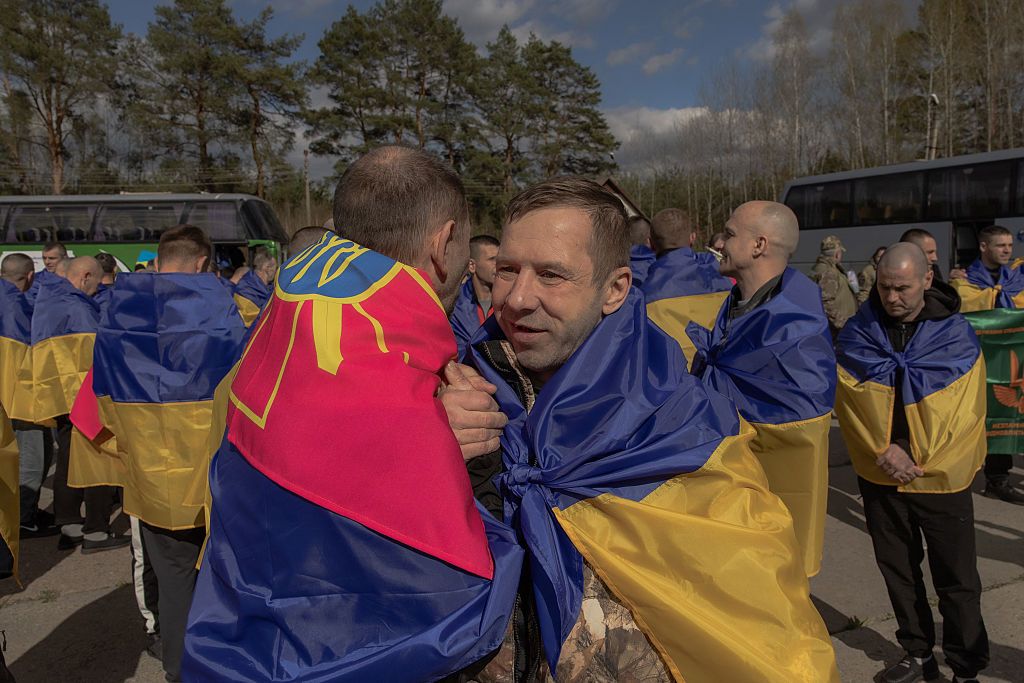
Russia and Ukraine exchange 193 prisoners of war each. — Source: kyivindependent
Ukrainian commanders have faced dismissal in response to a scandal involving the starving of soldiers, revealing deep internal challenges within the military structure during the war in Ukraine.[2] As reported in the Ukraine war latest, these firings stem from allegations that leadership failed to ensure adequate food supplies for troops under their command.[2]
The scandal highlights systemic issues in logistics and accountability, where soldiers endured hunger due to mismanagement or corruption at higher levels.[2] Dismissing the commanders signals a push for reform, aiming to restore trust and efficiency in units critical to the defense effort.[2] This internal reckoning occurs against the backdrop of relentless combat, where reliable supply lines are vital for sustaining frontline operations.[2]
Details from the coverage indicate that the starving soldiers scandal prompted swift action, with the affected officers removed from their positions.[2] Such measures are intended to prevent recurrence and maintain discipline. For the troops involved, the experience likely compounded the hardships of serving in the war in Ukraine, where physical endurance is paramount.[2] The firings also serve as a public acknowledgment of failures, potentially galvanizing other leaders to prioritize welfare.[2]
This episode underscores the pressures on military hierarchies in extended conflicts. Commanders bear responsibility not just for tactics but for basic needs like nutrition, which directly impacts combat effectiveness.[2] In the context of the Ukraine war latest, the scandal exposes vulnerabilities that adversaries might exploit, emphasizing the need for robust oversight.[2] Responses from within Ukraine's defense apparatus likely include investigations to identify root causes, such as supply chain disruptions or misallocation of resources.[2]
The dismissal of these commanders reflects a commitment to accountability, a cornerstone of effective wartime leadership.[2] It may lead to promotions from lower ranks, injecting fresh perspectives into strained units.[2] Overall, the starving soldiers scandal and subsequent firings illustrate the multifaceted struggles beyond the battlefield in the war in Ukraine.[2]
Conditions at Ukraine's Nuclear Plants
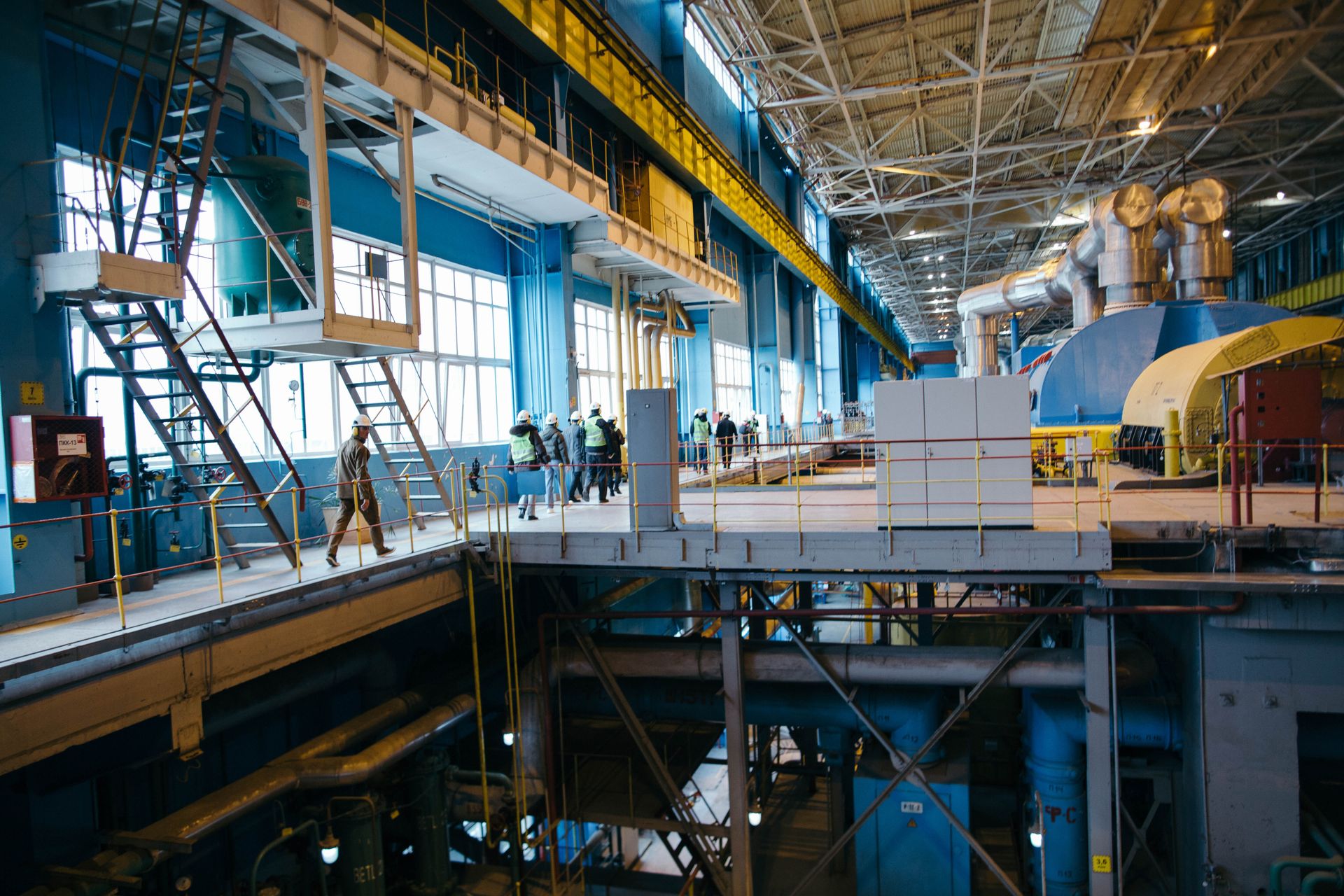
A reporter's notebook offers rare insights into the conditions inside Ukraine's nuclear plants amid the ongoing war.[1] Titled "Reporter’s notebook: Inside Ukraine’s nuclear plants at war," this account provides a glimpse into operations at these critical facilities during heightened conflict.[1]
The presence of a reporter within these sites during wartime underscores the determination to maintain functionality despite surrounding dangers.[1] Nuclear plants, essential for energy supply, operate under extraordinary stress, with staff managing complex systems while navigating security threats.[1] The notebook details the atmosphere inside, highlighting the blend of routine maintenance and war-induced precautions.[1]
In the war in Ukraine, nuclear facilities represent high-stakes infrastructure, where any disruption could have cascading effects on power grids and public safety.[1] The reporter's observations reveal how personnel adapt to blackouts, potential sabotage risks, and logistical challenges for fuel and parts.[1] This firsthand perspective emphasizes resilience, as workers continue monitoring reactors and safety protocols under duress.[1]
The repeated emphasis in the source—"Reporter’s notebook: Inside Ukraine’s nuclear plants at war"—signals the uniqueness of accessing these areas.[1] It sheds light on human elements: the dedication of engineers, the tension from nearby hostilities, and efforts to uphold international safety standards.[1] Such reports are vital for understanding vulnerabilities at nuclear sites in conflict zones.[1]
These insights contribute to global awareness of the risks posed by war near critical energy infrastructure.[1] They prompt discussions on protective measures, without delving into specifics beyond the reporter's access.[1] Ultimately, the notebook from inside Ukraine’s nuclear plants at war illustrates the precarious balance of national security and civilian needs.[1]
Broader Context of the Ukraine War
{IMAGE_3}
The prisoner of war exchange, commander dismissals, and nuclear plant conditions interconnect within the broader context of the Ukraine war.[1][2] The swap of 193 POWs each demonstrates pockets of negotiation amid stalemated fronts.[2] Meanwhile, the starving soldiers scandal exposes leadership fractures that weaken overall resilience.[2]
Drawing from Ukraine war latest reports, these events reflect the war's toll on personnel and infrastructure.[1][2] Nuclear plants operating under reporter-observed strains highlight energy sector vulnerabilities.[1] Together, they portray a conflict where humanitarian actions coexist with internal crises.[1][2]
The war in Ukraine has evolved into a multifaceted struggle, with POW exchanges offering brief relief.[2] Commanders' firings address morale-sapping issues like starvation, essential for sustained defense.[2] Reporter insights into nuclear facilities add a layer of concern over long-term stability.[1]
These developments, sourced from key updates, illustrate ongoing military and internal challenges.[1][2] The symmetry in the 193-per-side exchange suggests calculated diplomacy.[2] Scandals prompt purges to realign priorities.[2] Nuclear operations persist, as noted in the notebook.[1]
In this context, the Ukraine war remains dynamic, with each event influencing strategic calculations.[1][2]
Key Implications from Reported Events
The reported events carry key implications for the trajectory of the war in Ukraine.[2] The POW exchange of 193 each implies sustained negotiation potential, fostering possibilities for larger swaps.[2] It humanizes the conflict, reminding stakeholders of individual stakes.[2]
The commanders' firings over the starving soldiers scandal signal intolerance for negligence, potentially improving supply chains.[2] This could enhance troop effectiveness and cohesion.[2] Such accountability measures strengthen institutional integrity.[2]
From the Ukraine war latest, these steps mitigate risks: better-fed soldiers fight harder, returned POWs reinforce ranks.[2] Nuclear plant conditions, per the reporter's notebook, stress the imperative for protection.[1] Collectively, they highlight adaptive capacities amid adversity.[1][2]
Implications extend to international perceptions, where exchanges build goodwill and scandals prompt aid scrutiny.[2] Maintaining nuclear safety averts catastrophes.[1] These developments underscore resilience and reform needs.[1][2]
Ukraine War Latest: Ongoing Developments
Recent Ukraine war latest coverage encapsulates the prisoner exchange, scandal, and nuclear insights as pivotal updates.[1][2] The 193 POWs traded each side reflect humanitarian diplomacy's role.[2] Commanders dismissed amid starvation allegations indicate self-correction mechanisms.[2]
A reporter's access to nuclear plants reveals operational tenacity.[1] These threads weave into the war in Ukraine's narrative of endurance.[1][2] Staying informed on such events is crucial for gauging progress.[1][2]
What to watch next includes potential follow-up POW exchanges, outcomes of military leadership reforms, and continued monitoring of nuclear plant safety amid the conflict.[1][2]