Ukraine War Enters Stalemate Phase in Early 2026 with No Frontline Breakthroughs and Intensifying Pressure on Russia
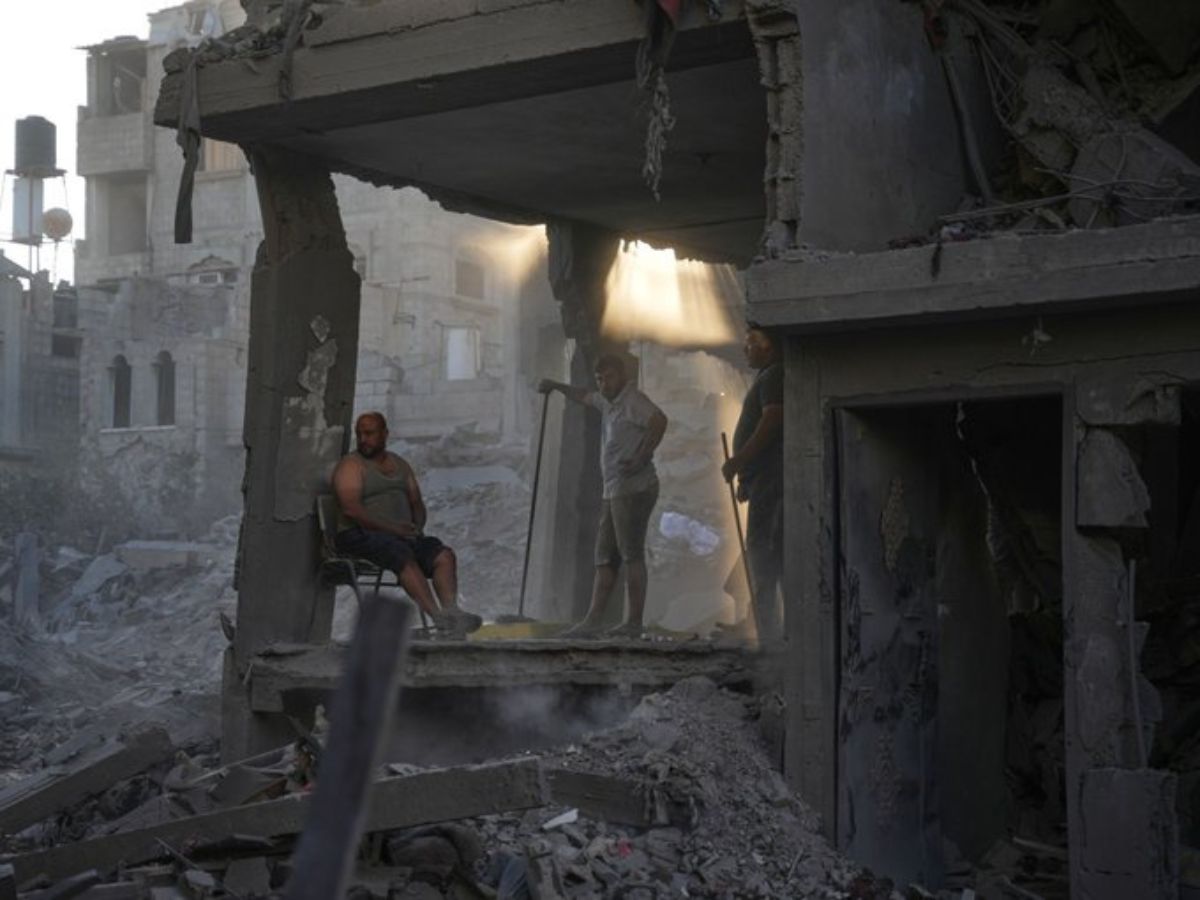
Kyiv/Moscow — As the Russia-Ukraine war surpasses its fourth year, early 2026 reports indicate a frozen frontline with no significant breakthroughs, while international and domestic pressures on Russia continue to mount. The ongoing conflict, which erupted on February 24, 2022, with Russia's full-scale invasion, remains at a critical severity level, characterized by entrenched positions and high human costs on both sides.
According to recent analysis from MigNews, published on January 10, 2026, the Ukrainian frontline has seen no major advances or ruptures at the start of the year. This stagnation underscores a broader dynamic where neither side has achieved decisive momentum, echoing patterns observed throughout late 2024 and 2025. The report highlights "pressure on Russia," pointing to sustained economic sanctions, military aid to Ukraine from Western allies, and internal challenges within Russia that are constraining its operational tempo.
Frontline Stasis and Tactical Realities
The absence of breakthroughs aligns with the war's evolution into a protracted war of attrition. Key battlegrounds such as Donetsk, Kharkiv, and Zaporizhzhia regions, which have been focal points since 2022, continue to feature intense but localized fighting. Russian forces, after initial rapid gains in 2022 followed by retreats from Kyiv and Kharkiv, have consolidated control over approximately 18-20% of Ukrainian territory, including Crimea (annexed in 2014) and parts of Donbas. Ukrainian counteroffensives, bolstered by Western-supplied equipment like HIMARS systems and Leopard tanks, reclaimed significant areas in 2022 but faced fierce resistance in subsequent years.
MigNews' assessment reflects intelligence and open-source observations from platforms like GDELT, which track global media signals. No large-scale offensives have materialized in early 2026, with both militaries grappling with logistical strains, minefields, and drone warfare. Ukrainian President Volodymyr Zelenskyy has repeatedly emphasized defensive resilience, stating in late 2025 addresses that "every meter costs blood," while Russian President Vladimir Putin frames the conflict as a "special military operation" aimed at "denazification" and security guarantees—narratives unchanged since 2022.
Human Resources as a Pivotal Factor
A critical undercurrent shaping 2026 dynamics is the human resources equation, as discussed in analyses of the conflict's trajectory. Initiated in monitoring since January 7, 2026, evaluations highlight manpower shortages affecting both combatants. Ukraine, with a pre-war population of about 41 million, faces acute recruitment challenges amid demographic declines from emigration, casualties estimated at over 400,000 (including wounded), and mobilization laws extended through 2025. Russia, drawing from a larger pool of 144 million, has resorted to partial mobilization in 2022, convict recruitment, and foreign mercenaries, yet reports persistent desertions and high losses—unofficial figures from Western sources exceed 600,000 casualties.
This "demographic stalemate" could define 2026, with projections suggesting neither side can sustain high-intensity operations indefinitely without external support. Ukraine relies on NATO training programs and aid packages totaling over $100 billion since 2022, while Russia pivots to alliances with North Korea, Iran, and China for munitions and drones.
Background: From Invasion to Attrition
The Russia-Ukraine conflict traces roots to 2014, when Russia annexed Crimea and backed separatists in Donbas following Ukraine's Euromaidan Revolution. The Minsk agreements failed to resolve tensions, culminating in the 2022 invasion justified by Moscow as a preemptive strike against NATO expansion. Initial Russian advances stalled due to Ukrainian resistance, supply issues, and international isolation.
By 2023-2025, the war shifted to positional warfare reminiscent of World War I, with trenches, artillery duels, and electronic warfare dominating. Key events include Ukraine's 2022 Kharkiv counteroffensive, Russia's 2024 capture of Avdiivka, and escalating Black Sea naval clashes where Ukraine sank over 20 Russian ships using naval drones. Ceasefire talks, mediated sporadically by Turkey and others, have repeatedly collapsed over territorial demands.
Economically, Russia contends with sanctions curbing oil revenues (despite shadow fleets), a war economy inflating GDP short-term but risking stagnation. Ukraine's GDP contracted 30% in 2022 but stabilized with aid, though infrastructure destruction—over 50% of energy capacity—persists.
Outlook Amid Uncertainty
As 2026 unfolds, the lack of frontline movement signals a potential tipping point driven by human and material exhaustion. Western commitments, including U.S. aid under successive administrations, remain pivotal, while Russia's resilience tests alliance cohesion. No immediate resolution appears likely, with MigNews underscoring sustained pressure as a strategic lever against Moscow.
International observers, including the UN, report over 10,000 civilian deaths and 8 million refugees, urging diplomacy. Yet, with severity rated critical for the war and high for 2026 dynamics, the conflict's human toll continues unabated, reshaping Europe's security landscape.
(Word count: 712)