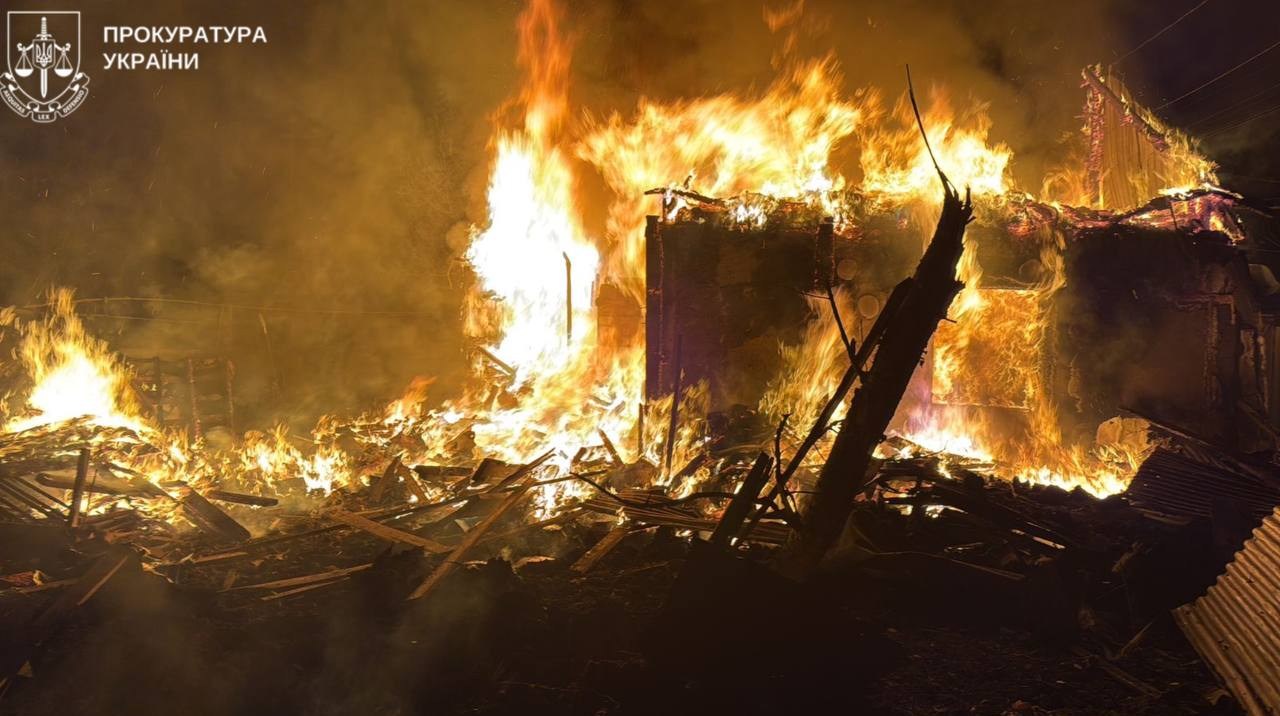

Ukraine Strikes Russian Baltic Port in Drone Attack
Ukraine launched drone strikes on a key Russian port on the Baltic Sea and two shadow fleet tankers near Novorossiysk, targeting Russia's oil export infrastructure in a significant escalation of unmanned operations.[1][2] Ukrainian President Volodymyr Zelenskyy confirmed the strikes on the two shadow fleet tankers, while Russian authorities identified the Baltic port as Primorsk, where a nighttime drone attack sparked a blaze.[1][2][5] Ukraine's Unmanned Systems Forces also conducted strikes on Russian air defence systems in occupied territories, marking a broader wave of attacks on key Russian assets.[4]
Overview of Recent Ukraine Drone Strikes on Russia
The recent drone strikes by Ukraine represent a coordinated effort against critical Russian infrastructure, with reports emerging from multiple outlets detailing the scope and impact of these operations. According to accounts from Russian regional authorities and Ukrainian leadership, the strikes focused on oil export facilities, including a major port on the Baltic Sea and vessels associated with Russia's shadow fleet.[1][2][5] These actions unfolded on Sunday, involving a nighttime drone assault that ignited a fire at the targeted port, underscoring the precision and timing of Ukraine's unmanned capabilities.[2]
Primorsk, a key oil-loading hub, was explicitly named by Russian officials as the site of the Baltic Sea strike, highlighting its strategic importance for Russia's energy exports.[5] President Zelenskyy publicly acknowledged the successful hits on two shadow fleet tankers near the port of Novorossiysk, framing these as deliberate disruptions to Russia's illicit oil transport networks.[1] This overview aligns with initial reports that paint a picture of a multi-pronged drone campaign aimed at economic pressure points, without immediate claims of casualties but with visible damage like the reported blaze.[2]
The strikes come amid ongoing conflict dynamics, where Ukraine has increasingly relied on long-range drones to reach deep into Russian territory, challenging Moscow's defensive postures.[1][2] Russian responses, as relayed through governors' statements, confirmed the port impact, lending credibility to the Ukrainian assertions of success.[1][5] This event fits into a pattern of Ukraine's evolving strike strategy, emphasizing infrastructure over direct military confrontations in this instance, as per the available reporting.[2]
Details of Strikes on Russian Ports and Tankers

Ukrainian drone strikes hit two shadow fleet tankers near Novorossiysk port. — Source: cyprusmail
The specifics of the strikes reveal a focus on high-value targets integral to Russia's oil logistics. The Primorsk port on the Baltic Sea, a primary facility for loading Russian crude, was struck by Ukrainian drones, resulting in a fire that illuminated the nighttime operation.[2][5] Russian authorities, including the local governor, verified the drone attack on this key infrastructure point, which plays a pivotal role in Moscow's energy shipments to global markets.[1][5]
Simultaneously, two shadow fleet tankers near the port of Novorossiysk faced Ukrainian drone strikes, as confirmed by President Zelenskyy.[1][3] These vessels are part of an opaque network used to circumvent international sanctions on Russian oil, often operating under flags of convenience and with minimal oversight.[2][3] The Kyiv Independent reported the hits on these specific shadow fleet vessels, aligning with Zelenskyy's statement and broader Ukrainian claims of targeting illegal crude transport.[3]
Novorossiysk, a major Black Sea export terminal, adds geographic diversity to the strikes, extending Ukraine's reach beyond the Baltic region.[1][3] The nighttime timing of the Primorsk attack maximized surprise, with the resulting blaze serving as visual evidence of impact, as described in reports.[2] These details underscore the operational sophistication, hitting both established ports like Primorsk and mobile assets like the tankers, thereby disrupting Russia's shadow fleet operations near vital hubs.[1][2][3][5]
Role of Ukraine's Unmanned Systems in the Attacks
Ukraine's Unmanned Systems Forces played a central role in executing these strikes, as evidenced by statements from their commander. Robert "Magyar" Brovdi released video footage demonstrating the destruction of Russian air defence systems in temporarily occupied territories, signaling the initiation of a new wave of drone operations.[4] This involvement extends to the broader context of the port and tanker strikes, where unmanned systems were the primary delivery mechanism.[4]
The forces' capabilities allow for strikes deep into Russian-controlled areas, including economic targets like ports and vessels.[4] Brovdi's video release provides direct visual confirmation of successful engagements against air defences, which are critical barriers to further drone incursions.[4] This unit's prominence highlights Ukraine's investment in drone technology as a force multiplier, enabling operations that conventional assets might struggle to achieve.[4]
In the framework of the recent strikes, the Unmanned Systems Forces' role integrates seamlessly with presidential confirmations, suggesting a unified command structure for these missions.[1][4] Their actions against air defences in occupied zones complement the infrastructure hits, potentially clearing paths for subsequent operations by neutralizing protective systems.[4]
Context of the Shadow Fleet Targets
The shadow fleet tankers struck near Novorossiysk exemplify Russia's workaround for Western sanctions imposed on its oil exports following the invasion of Ukraine. These vessels, often older and uninsured, form a clandestine armada transporting Russian crude to buyers willing to pay discounted prices.[2][3] Ukraine's strikes on two such tankers disrupt this network, as Zelenskyy noted, targeting assets accused of illegally ferrying sanctioned oil.[1][2]
Reports from multiple sources emphasize the tankers' role in sustaining Russia's wartime economy, with Novorossiysk serving as a key departure point.[1][3] The shadow fleet's operations involve frequent ship-to-ship transfers and flag-hopping to evade tracking, making them elusive but vulnerable to drone surveillance and strikes.[2] By hitting these specific vessels, Ukraine aims to impose economic costs, reducing Moscow's revenue streams that fund military efforts.[3]
This context is rooted in the ongoing sanctions regime, where Russia has expanded its shadow fleet to over 600 vessels, according to broader analyses, though the strikes focus on confirmed incidents near Novorossiysk.[2] Zelenskyy's confirmation ties directly to these economic pressure tactics, positioning the drone strikes as strategic blows against Russia's oil lifeline.[1][3]
Additional Strikes on Russian Military Assets
Beyond the oil infrastructure, Ukraine's drone operations encompassed strikes on Russian air defence systems in occupied territories, broadening the impact of this wave of attacks. Commander Brovdi of the Unmanned Systems Forces shared video evidence of these destructions, illustrating precise hits on defensive installations.[4] These actions in temporarily occupied areas degrade Russia's ability to counter future drone incursions, providing tactical advantages.[4]
The video footage captures the effectiveness of Ukraine's drones against radar and missile systems, essential for protecting key sites like ports.[4] This component of the strikes contextualizes the Primorsk and tanker hits, as neutralizing air defences facilitates safer approaches to high-value economic targets.[4] Reports frame this as the beginning of a new offensive phase by Ukraine's unmanned units, with potential for sustained pressure on Russian positions.[4]
These military asset strikes complement the infrastructure focus, creating a multi-domain challenge for Russian responses.[4] The occupied territories' location underscores Ukraine's ambition to reclaim initiative through technology-driven operations.[4]
What to watch next includes potential Russian retaliatory measures at affected ports like Primorsk and Novorossiysk, alongside further Ukrainian drone waves targeting air defences and shadow fleet remnants, as indicated by ongoing Unmanned Systems Forces activities.[1][2][4][5]