Ukraine Strikes Moscow Oil Refinery in Large-Scale Drone Attack
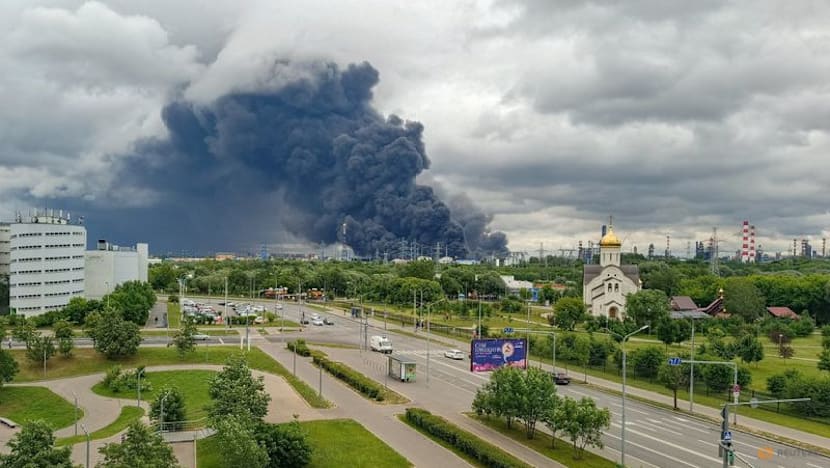
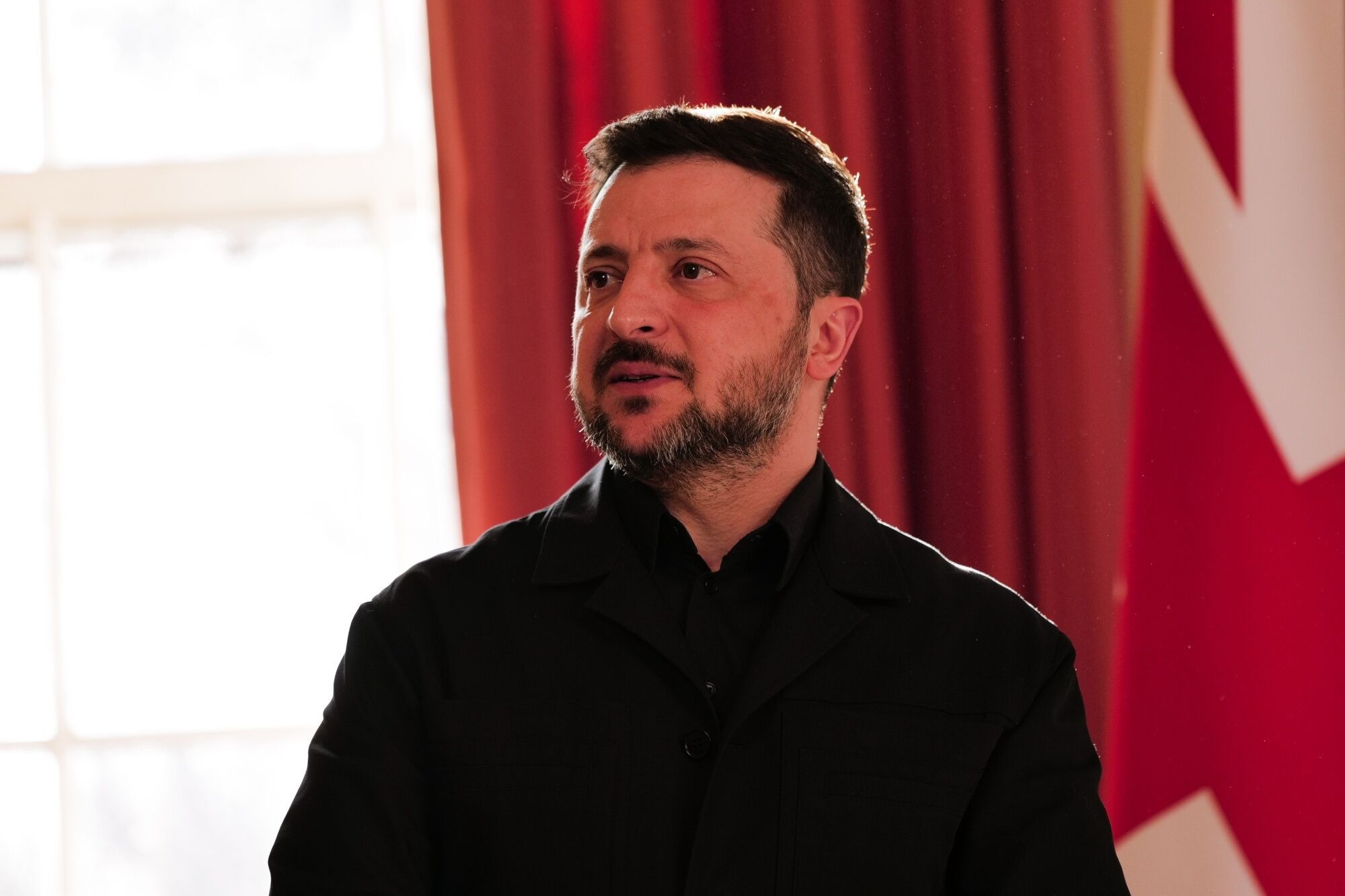
Ukraine strikes formed part of a large-scale drone attack early Thursday on Moscow's Kapotnya oil refinery that caused a major fire and wounded at least 17 people, while Ukrainian President Volodymyr Zelensky stated that Kyiv also hit targets in Russia's Rostov region and occupied territories of Ukraine. [3] Russian officials responded by accusing Ukraine of a deadly drone strike at the Zaporizhzhia nuclear plant and vowing continued massive strikes on Ukrainian military capabilities. [4]
Ukraine's Drone Assault on Moscow
Ukraine strikes targeted Moscow's Kapotnya oil refinery early Thursday, causing a major fire and wounding at least 17 people. [3] Ukrainian President Volodymyr Zelensky stated that Kyiv also struck targets in Russia's Rostov region and occupied territories of Ukraine. [3] The attack on the refinery in Kapotnya was described by Russian media outlets as the largest in the past two years, with Ukrainian drones penetrating Moscow's layered air defence. [4] This wave of strikes extended beyond the capital area, reflecting a coordinated effort that included additional hits confirmed directly by the Ukrainian leader. [3] The incident at the oil facility led to significant damage from the resulting blaze, underscoring the reach of the drone operations into central Russian territory. [4]
Russian Vow of Retaliatory Strikes
Russian Foreign Minister Sergei Lavrov said Russia will continue regular massive combined strikes on targets affecting Ukrainian Armed Forces combat capability in response to such attacks. [4] Commenting on the drone attack on Moscow, Lavrov noted that "words alone" regarding Ukraine are no longer enough. [4] He stated that Russian forces will continue carrying out the task assigned by Kremlin leader Vladimir Putin of conducting regular "massive combined strikes" against targets that Russia claims are essential to the combat capability of the Armed Forces of Ukraine. [4] Lavrov emphasized that the president had announced after another incident that such strikes would now occur on a regular basis against targets whose condition directly affects the combat capability of the Armed Forces of Ukraine. [4] This task has been assigned by the supreme commander-in-chief, and Russian armed forces are carrying it out and will continue to carry it out, according to the foreign minister's remarks. [4]
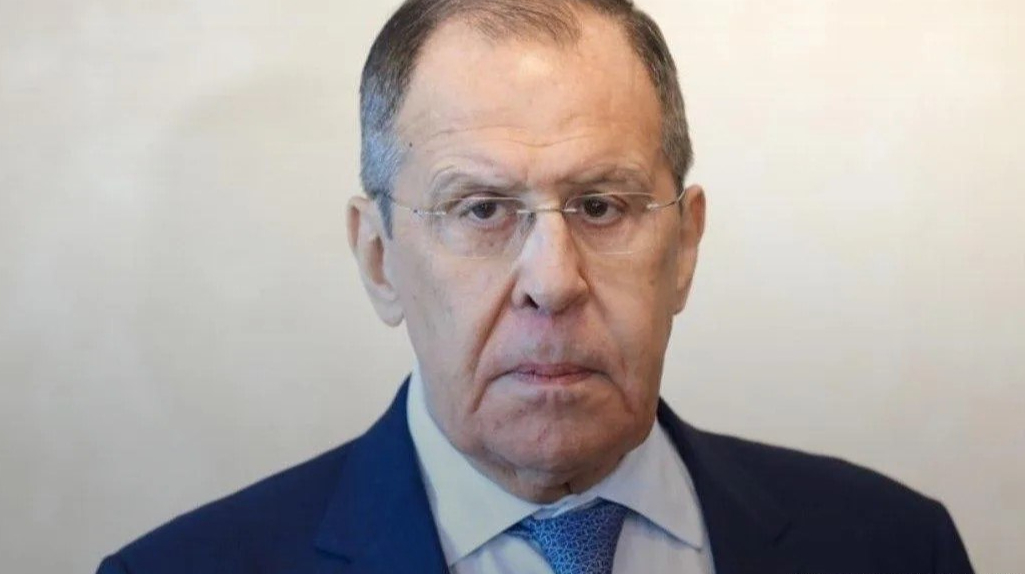
Russian Foreign Minister Sergei Lavrov speaks during a news conference. — Source: ukrainskapravda
Accusations Over Zaporizhzhia Plant Death
Russian nuclear chief accuses Ukraine of killing Zaporizhzhia power plant worker in drone attack. [1] The accusation centers on a separate drone attack that Russian officials link to the death of a worker at the facility. [2] Russian nuclear chief accuses Ukraine of killing worker at Zaporizhzhia power plant in drone attack. [5] These claims emerged alongside the reports of strikes on other Russian sites, with the nuclear chief highlighting the incident as a direct result of Ukrainian drone activity. [1] The statements from the Russian nuclear chief frame the event at the Zaporizhzhia power plant as part of a pattern of attacks that resulted in the fatality of a plant worker. [2] Russian nuclear chief accuses Ukraine of killing Zaporizhzhia power plant worker in drone attack, repeating the core allegation tied to the facility. [5]
Prior Night's Attacks on Russian Regions
On the night of 17-18 June, drone attacks targeted sites in Russia's Rostov and Belgorod oblasts, triggering fires at an oil depot in the city of Gukovo and at what is believed to be a military storage facility near Shebekino. [4] These strikes preceded the larger operation on Moscow and contributed to the overall sequence of events reported across multiple Russian regions. [4] The fires at the oil depot in Gukovo and the suspected military storage facility near Shebekino were direct outcomes of the Ukrainian drone activity on that night. [4] Russian authorities documented the incidents as part of the broader wave that also reached the capital's refinery. [4]
Broader Context of Cross-Border Strikes
Ukraine strikes extended to targets in Russia's Rostov region and occupied territories of Ukraine, as confirmed by President Volodymyr Zelensky. [3] The pattern includes the major refinery fire in Kapotnya alongside the earlier incidents in Rostov and Belgorod oblasts that caused fires at energy and military-related sites. [4] Russian Foreign Minister Sergei Lavrov tied the Moscow attack to Russia's ongoing campaign of massive strikes on Ukrainian military targets, indicating a cycle of responses. [4] Zelensky's statements highlight Kyiv's role in hitting multiple locations, including areas under Russian control, as part of the same operation that wounded at least 17 people at the Moscow facility. [3] This sequence of events illustrates the continued exchange of strikes between the sides, with each side attributing responsibility based on their official accounts. [4]
What to watch next: Russian forces are expected to continue carrying out regular massive combined strikes on targets affecting Ukrainian Armed Forces combat capability, while additional accusations from Russian nuclear officials regarding the Zaporizhzhia plant may surface in connection with further drone activity.