Ukraine Strikes 11 Russian Shadow Fleet Vessels in Black Sea as Moscow Attacks Kyiv and Odesa
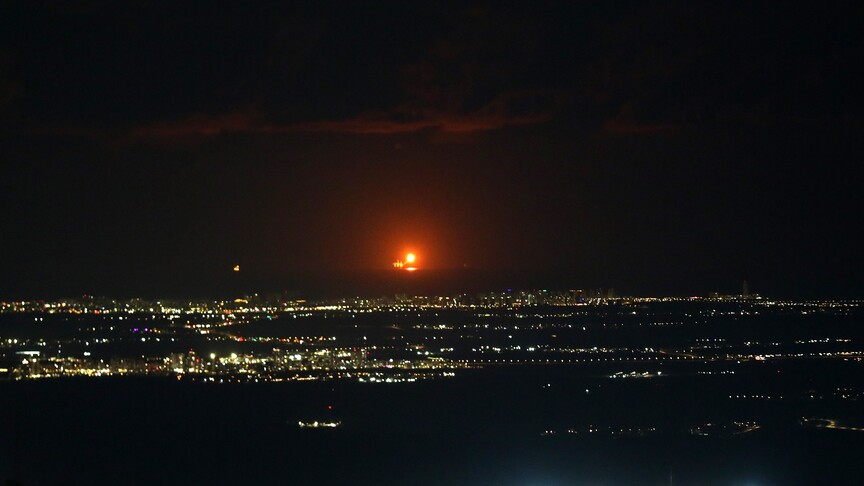
Ukraine strikes on vessels in the Black Sea and Sea of Azov formed part of an exchange of attacks with Russia on 16 July that also included Russian missile hits on Odesa and Kyiv, killing at least three people and contributing to a surge in global wheat prices.
Escalating Black Sea Vessel Attacks
Ukraine’s Unmanned Systems Forces struck 11 vessels in Russia's shadow fleet on 16 July, including five oil tankers, one LNG tanker, three bulk carriers and two tugboats. [3] Ten of the vessels were struck in the Black Sea and one in the Sea of Azov. [3] The strikes formed part of Operation MoLoCHKa conducted by the Unmanned Systems Forces from 6 to 16 July, during which 147 vessels belonging to Russia's shadow fleet have been struck in total. [3] Of those, 117 vessels have been struck in the Sea of Azov and 30 in the Black Sea. [3]
The five oil tankers were struck by the 9th Kairos Battalion of the 414th Magyar's Birds Separate Brigade, the 1st Separate Centre of the Unmanned Systems Forces and the 20th K-2 Separate Brigade. [3] The LNG tanker and two tugboats in the Black Sea were struck by the 1st Separate Centre, while the three bulk carriers were targeted by the 9th Kairos Battalion. [3] The operation aims to disrupt the transport of oil, fuel and other cargo carried in circumvention of international sanctions. [3] The goal is to turn every self-propelled vessel into a barge drifting at sea – blind and deaf, with the objective not to pollute the waters with oil spills, so there are no hull breaches. [3]
Ukraine strikes on Russian vessels have reached or even exceeded the intensity of the tanker war between Iran and Iraq in the 1980s. [5] On the night of 14-15 July, Ukrainian drone units struck 20 vessels belonging to Russia's shadow fleet in the Black Sea. [3] The Security Service of Ukraine, in cooperation with the Navy, has struck two tankers from Russia's so-called shadow fleet – the Louise 1 and the Banda – in the Black Sea using naval drones. [5] The Louise 1 was transporting Russian crude oil in circumvention of the G7 and EU oil embargo, exporting oil from Baltic and Black Sea ports with its automatic identification system switched off. [5] In 2026 alone, it has transported nearly 3 million tonnes of Russian Urals crude. [5] The Banda was also used to transport Russian oil from the country's ports, including Ust-Luga, Kerch, Novorossiysk and Nakhodka. [5] During one attack, Russian aircraft attempted to destroy the naval drones using machine-gun fire and bombs, but were unable to do so. [5]
Russian Missile Strikes on Odesa
Russian forces carried out a missile strike on Odesa on the afternoon of 16 July, killing one person and injuring another. [2] Early reports indicate that the Russians struck an infrastructure facility in the city. [2] One person was killed as a result of the enemy attack, with condolences extended to the family and loved ones, and another person has been injured. [2] Russian forces attacked Odesa on 16 July, damaging a petrol station and the roof of an educational institution. [2]
On the morning of 15 July, a Russian attack on Odesa killed three people and injured eight. [2] Ukraine’s military said it struck six Russian tankers and two tugboats, while Russia’s defence ministry said its forces hit a maritime vessel and a speedboat of the Ukrainian armed forces while they were en route to ports in the Odesa region. [1] Russian forces also struck a number of other military and industrial targets. [1]

Russian missile strike on Odesa killed one person and injured another on 16 July. — Source: ukrainskapravda
Ballistic Missile Attack on Kyiv
Ukrainian officials said Russian ballistic missiles struck at least two districts in Kyiv early on 16 July, triggering fires and killing two people. [1] According to Ukraine’s State Emergency Service, at least two people were killed and five others injured, including a child, in the attack. [4] The missiles hit the Sviatoshynskyi and Darnytskyi districts, setting a warehouse and an administrative building on fire, while falling debris damaged nearby properties. [4] Firefighters battled a large blaze that engulfed a warehouse in Kyiv overnight into 16 July. [4] The attack came just hours after European Commission President Ursula von der Leyen visited Kyiv to announce a new drone agreement between Ukraine and the European Union. [4] It was the second missile strike on the capital in a week. [4]
Impact on Grain Shipping and Ports
The Ukrainian attacks have forced Russia, the world’s top grain exporter, to limit shipping in the Sea of Azov – a route that handles about a quarter of its grain exports. [1] Shipping remained restricted on 16 July. [1] Navigation both to and from the sea is not being carried out for now. [1] Two of Ukraine’s three Black Sea ports were operating normally on 16 July morning while the port of Chornomorsk had sharply reduced its grain intake. [1] It said 901,300 metric tons of grain had been sent toward the ports since the start of July, which is less than last month. [1] Ukraine has lost about a third of its capacity to export grain via its Black Sea ports due to the intensifying Russian missile and drone attacks. [1]
Wheat Price Surge
On Wednesday, European wheat prices jumped 7 per cent as the escalating attacks in the Black Sea raised concerns over key grain export routes, with traders expecting some demand to shift to European Union supplies. [1] Benchmark September milling wheat on Paris-based Euronext ended the daytime trading session 7 per cent higher at €231.75 per metric tonne, a price not seen since February 2025. [1] Chicago Board of Trade wheat futures surged 5 per cent on Wednesday, though they pared their gains in early Thursday morning trade. [1] The most active wheat contract on the CBOT was down 0.3 per cent at $6.75-3/4 a bushel as of 3.25am GMT. [1]
Ukrainian Calls for Freedom of Navigation
Ukrainian Foreign Minister Andrii Sybiha called for restoration of the freedom of navigation in the Black Sea. [1] This is also a fundamental issue for Ukraine. It is vital, as the Black Sea is the main route for the export of Ukrainian goods. [1] Ukraine has stepped up wider attacks on Russian energy targets, including oil refineries and tankers, seeking to undermine Moscow’s war effort. [1] Russia also has intensified strikes on Ukraine’s deepwater Black Sea ports in the Greater Odesa area, which handle much of the country’s grain and other cargo and are vital to its wartime economy. [1] Earlier this week, the United Nations said at least 293 civilians were killed across Ukraine in June, the highest monthly death toll in more than four years, with long-range missiles and drones accounting for nearly half of the casualties. [4]
What to watch next: Ukrainian officials will continue pressing for restored freedom of navigation in the Black Sea while shipping restrictions persist in the Sea of Azov and operations at the port of Chornomorsk remain reduced.