Ukraine Requests 200 Billion Kroner in Aid to Sustain War Momentum Against Russia
Ukraine has requested up to 200 billion kroner in urgent international aid to sustain its military momentum against Russia in the Ukraine war, with Norwegian parties MDG and Venstre proposing that Norway advance up to 50 billion kroner from the Nansen program. [1]
Ukrainian Request for Urgent Aid
Ukraine is seeking up to 200 billion kroner from international partners to increase military pressure on Russia over the next six to nine months. [1] MDG and Venstre have called for Norway to provide up to 50 billion kroner as an advance from the Nansen program. [1] Acting MDG leader Ingrid Liland stated that Ukraine now has an opportunity to gain a military advantage over Russia that could end the war, and therefore Norway must respond when Ukraine makes a concrete request. [1] Venstre leader Guri Melby noted that all parties agree preventing Russia from winning is the top priority and that Ukraine must retain its current momentum. [1] Melby suggested the advance could be paid out this summer and represents about a quarter of Ukraine’s described need. [1] The Ukrainian Defence Ministry confirmed the request for acute support will be presented to the 50 countries in the international Ukraine contact group meeting in Brussels on Thursday. [1] Norwegian Defence Minister Tore O. Sandvik is scheduled to meet his Ukrainian counterpart there. [1] A Ukrainian Defence Ministry spokesperson said Ukraine is striking hard now and needs support for drones and ammunition to maintain pressure. [1] Ukrainian Defence Minister Mykhailo Fedorov stated that Russia will try to regain the initiative but Ukraine will hold the advantage on the battlefield for the next six months. [1] Melby warned that without replenishment of basic equipment such as artillery ammunition it is uncertain whether Ukraine can regain control of Crimea. [1] Both MDG and Venstre indicated they will raise the issue of expanded Norwegian support at a Nansen support meeting scheduled for one week from Wednesday. [1]
Current Military Momentum and Operations
Ukraine has achieved better results in recent months by intensifying drone strikes on Russian oil refineries and ports near St. Petersburg, significantly reducing Russian oil exports via the Baltic Sea. [1] Ukrainian forces have also targeted logistics routes in occupied areas including Crimea, leading to fuel shortages there. [2] Russian authorities in Crimea imposed a nightly ban on mopeds, ATVs and motorcycles because the noise resembles drone attacks, and limited fuel purchases at petrol stations to a maximum of 20 litres per vehicle. [2] A Ukrainian drone strike caused a fire at Moscow region’s largest fuel supplier refinery, halting operations, while another struck a Gazprom Neft refinery southeast of Moscow. [2] President Zelenskyy said one such strike was conducted from approximately 500 kilometres away and constituted a justified response. [2] Ukrainian special forces unit Prymary continues to attack Russian military logistics across occupied territories, prioritising fuel tankers. [2] These operations form part of Ukraine’s effort to maintain battlefield momentum while seeking additional funding for drones and ammunition. [1]

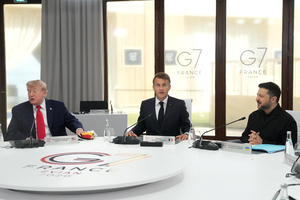
G7 leaders agree Russia must not win the war in Ukraine as Trump calls for a deal. — Source: gdelt
Frontline Situation and Russian Losses
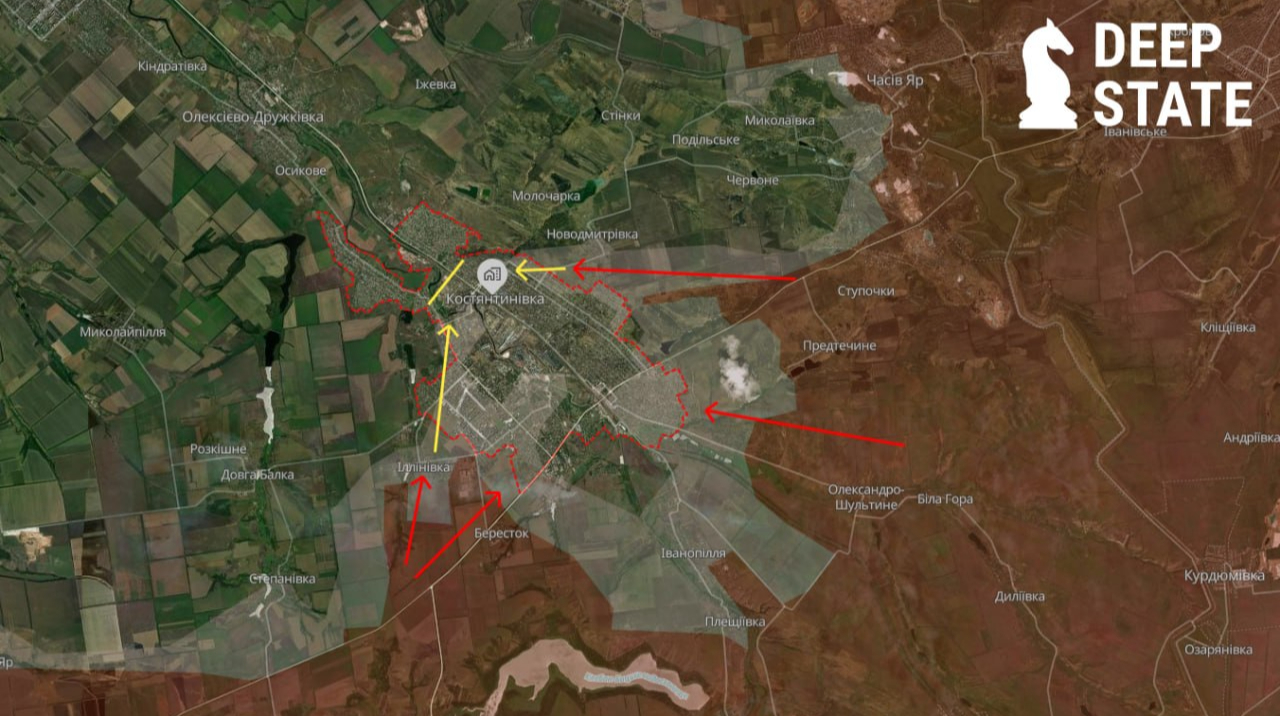
Ukrainian forces reported 237 combat clashes with Russian troops in the past day. [2] The most intense fighting occurred around Pokrovsk, where Ukrainian troops repelled 30 Russian attacks. [2] Other active directions included Huliaipole with 29 attacks, Lyman with 20, Kostiantynivka with 15, Sloviansk with 13, and several others recording between one and six clashes. [2] Russia conducted 94 air strikes, dropped 287 guided bombs, and used nearly 9,900 kamikaze drones along with approximately 2,800 artillery and mortar strikes. [2] Ukrainian forces in turn struck 11 Russian troop concentration areas, three artillery systems and one command post. [2] Russia lost 1,260 soldiers in the past day, bringing total estimated personnel losses since February 2022 to 1,386,680. [5] Additional equipment losses included 51 artillery systems and 2,052 operational-tactical UAVs over the same period. [5] Cumulative Russian losses also encompass 12,033 tanks, 24,775 armoured combat vehicles and 44,169 artillery systems since the start of the full-scale invasion. [5]
International Diplomacy and G7 Outcomes
G7 leaders agreed that Russia must not win the war and discussed additional sanctions on Russian oil exports, the banking sector and the defence industry. [2] President Zelenskyy stated that the G7 summit produced further air defence support for Ukraine and new steps to pressure Russia. [2] Donald Trump said Russia should reach an agreement to end the war because too many young men are dying on both sides. [2] Trump also linked greater support for Ukraine to European assistance in securing the Strait of Hormuz and supporting his approach to Iran. [2] French President Emmanuel Macron noted that mine-sweeper deployment to the Strait of Hormuz would require coordination with the United States, Iran and Oman. [2] Zelenskyy and Trump met for the first time in several months during the G7 gathering in France. [1]
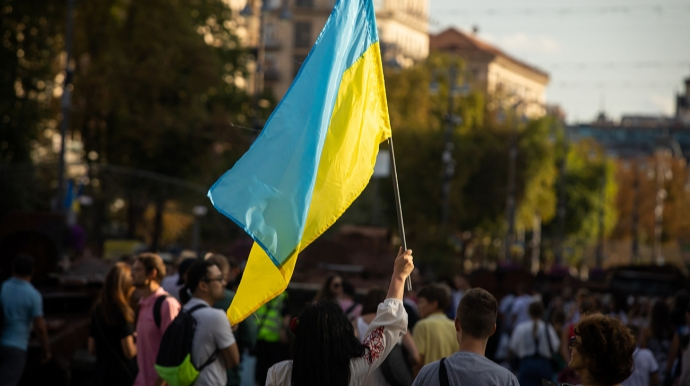
Ukrainians call for post-war government reset with 67 percent expecting Zelenskyy replacement, poll finds. — Source: ukrainskapravda
Technological Advances in Ukrainian Drones
New Ukrainian AI-equipped medium-range drones are changing the dynamics of the war by striking deep targets at lower cost than HIMARS missiles. [4] These drones have ranges up to 300 km and autonomous targeting capabilities that allow them to identify targets in the final flight phase and continue missions even if contact with the operator is lost. [4] They can engage both fixed targets such as command centres and fuel depots and moving targets including supply trucks and military columns. [4] A single drone costs between 15,000 and 50,000 dollars compared with 190,000 to one million dollars for a HIMARS missile. [4] Recent strikes have included a command centre in Zaporizhzhia region used by Russian FPV drone operators and major refineries in the Moscow area. [4] Analysts describe these autonomous drones as marking a new phase that enables Ukraine to disrupt Russian logistics and offensive capacity at significantly reduced expense. [4]
Post-War Expectations Among Ukrainians
A poll shows 88% of Ukrainians expect a post-war reset of central government. [3] The share expecting President Zelenskyy to be replaced after the war has risen to 67%. [3] Expectations for a parliamentary reset stand at 83% and for government changes at 74%. [3] Most Ukrainians continue to oppose holding elections before the conflict ends. [3] Among respondents who completely trust the president, only 33% believe the presidency should be reset after the war, while among those who rather trust him the figure rises to 68%. [3] Those who distrust the president almost universally expect change. [3] KIIS Executive Director Anton Hrushetskyi observed that the majority still trust Zelenskyy as the legitimate head of state during the war yet many state-oriented citizens anticipate new leadership once peace arrives. [3]
What to watch next: Norway’s planned Nansen support meeting next week and Thursday’s contact group session in Brussels will determine whether additional advances are approved to help Ukraine maintain its current pressure on Russian forces and logistics.