Ukraine Faces Escalating Challenges Amidst Ongoing Conflict with Russia
As the conflict between Ukraine and Russia continues to escalate into 2026, recent events have underscored the severe challenges facing the Ukrainian population and the ongoing negotiations for a peace deal. With the onset of winter, Ukrainian citizens are grappling with power shortages and a deteriorating energy infrastructure, while diplomatic efforts to secure peace are hindered by territorial disputes.
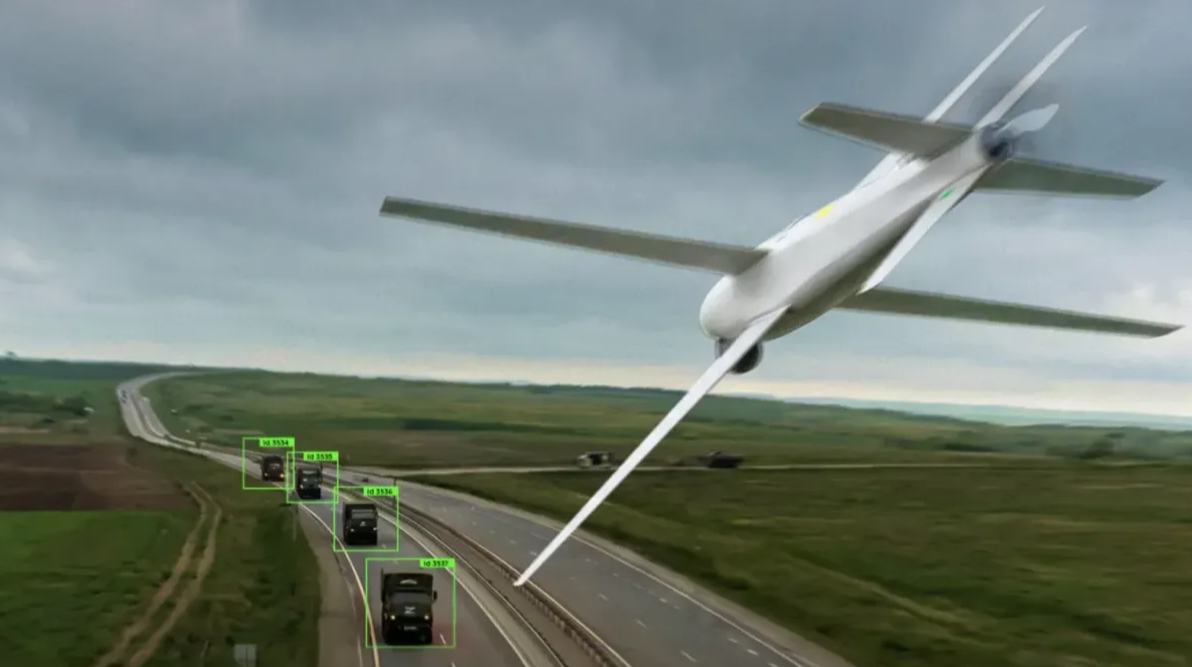
In the latest developments, the Russian Defense Ministry reported that it had intercepted 86 Ukrainian drones during a series of overnight attacks leading up to New Year's Eve, claiming 56 of these were shot down over the Black Sea. This exchange of hostilities highlights the ongoing military tensions that persist despite the dire humanitarian conditions in Ukraine. The accusations traded between both sides illustrate a continued cycle of conflict, undermining efforts for any diplomatic resolution (Anadolu).
As winter temperatures plummet, the situation for many Ukrainians has become increasingly precarious. Ukraine's largest private energy company reported that 90% of its generation capacity has been damaged due to Russian attacks, leaving over one million people without power amidst freezing conditions. Energy executives and government officials have voiced urgent calls for international support, with one executive stating, “Only Trump can stop Russia,” indicating a reliance on foreign intervention to stabilize the situation (Fox News).
In light of these challenges, Ukrainians are finding ways to adapt to the ongoing power cuts. Many are learning to cope with the harsh realities of daily life without consistent electricity and heating, illustrating their resilience in the face of adversity. Reports indicate that some residents have developed innovative solutions to manage their energy needs, demonstrating a determination to maintain a semblance of normalcy despite the ongoing conflict (CNN).
As 2026 began, negotiations for a potential peace deal between Russia and Ukraine faced significant hurdles, particularly concerning territorial disputes and the status of the nuclear power plant occupied by Russian forces. The ongoing military confrontations, coupled with the humanitarian crisis, complicate the diplomatic landscape, leaving many to wonder about the feasibility of any lasting resolution in the near future.
Background
The Russia-Ukraine conflict has raged on since February 2022, leading to thousands of casualties and widespread infrastructure damage. The war has transformed the region, resulting in a humanitarian crisis that has displaced millions and strained resources. Despite intermittent discussions between both parties, a comprehensive peace agreement remains elusive, largely due to fundamental disagreements over territorial claims and security guarantees.
Conclusion
As Ukraine faces a perilous winter marked by power shortages and ongoing military confrontations, the need for a diplomatic resolution is more pressing than ever. The challenges of negotiating peace amid such turmoil will require concerted efforts from international actors, as well as a commitment to addressing the humanitarian needs of those affected by the conflict. With uncertainty looming over the future of Ukraine, the resilience of its people remains a beacon of hope in a tumultuous landscape.