
Ukraine Conflict in 2026: Human Resources Emerge as Pivotal Factor in War's Trajectory
Kyiv, Ukraine – As the Russia-Ukraine war enters its fifth year in 2026, a new analysis highlights human resources – encompassing troop numbers, recruitment, training, and morale – as a decisive element shaping the conflict's dynamics this year. Published by the Kyiv Independent on January 7, 2026, the latest installment of its reader Q&A series, "Our readers' questions about the war, answered. Vol. 10," delves into these manpower challenges amid ongoing stalemates on the front lines.
The article addresses reader inquiries on the war's evolving landscape, emphasizing how both sides' ability to sustain personnel will likely determine battlefield momentum. Ukraine continues to grapple with mobilization shortfalls, while Russia leverages its larger population base, though both face attrition from prolonged combat. This focus comes at a critical juncture, with winter operations straining resources and Western aid levels fluctuating under new geopolitical pressures.
Manpower Shortages and Mobilization Efforts
The Kyiv Independent's Vol. 10 edition synthesizes expert insights and on-the-ground reports to answer queries about 2026 projections. It notes Ukraine's persistent challenges in recruiting and retaining soldiers, a issue exacerbated by casualties estimated at over 400,000 combined for both sides since February 2022, according to Western intelligence assessments. Ukraine's partial mobilization law, enacted in May 2024 and extended amid debates, has aimed to bolster forces to around 1 million active personnel, but desertions, exemptions, and demographic constraints limit effectiveness.
Russia, conversely, has ramped up conscription waves, drawing from its 144 million population compared to Ukraine's 38 million pre-war figure (now reduced by emigration and occupation). The article points to Russia's use of penal battalions, foreign recruits from North Korea and Iran-backed militias, and economic incentives to maintain an edge in infantry numbers. However, high Russian losses – reportedly exceeding 600,000 killed or wounded by late 2025 per Ukrainian and UK Ministry of Defence figures – have forced reliance on poorly trained "meat grinder" assaults, particularly in Donetsk.
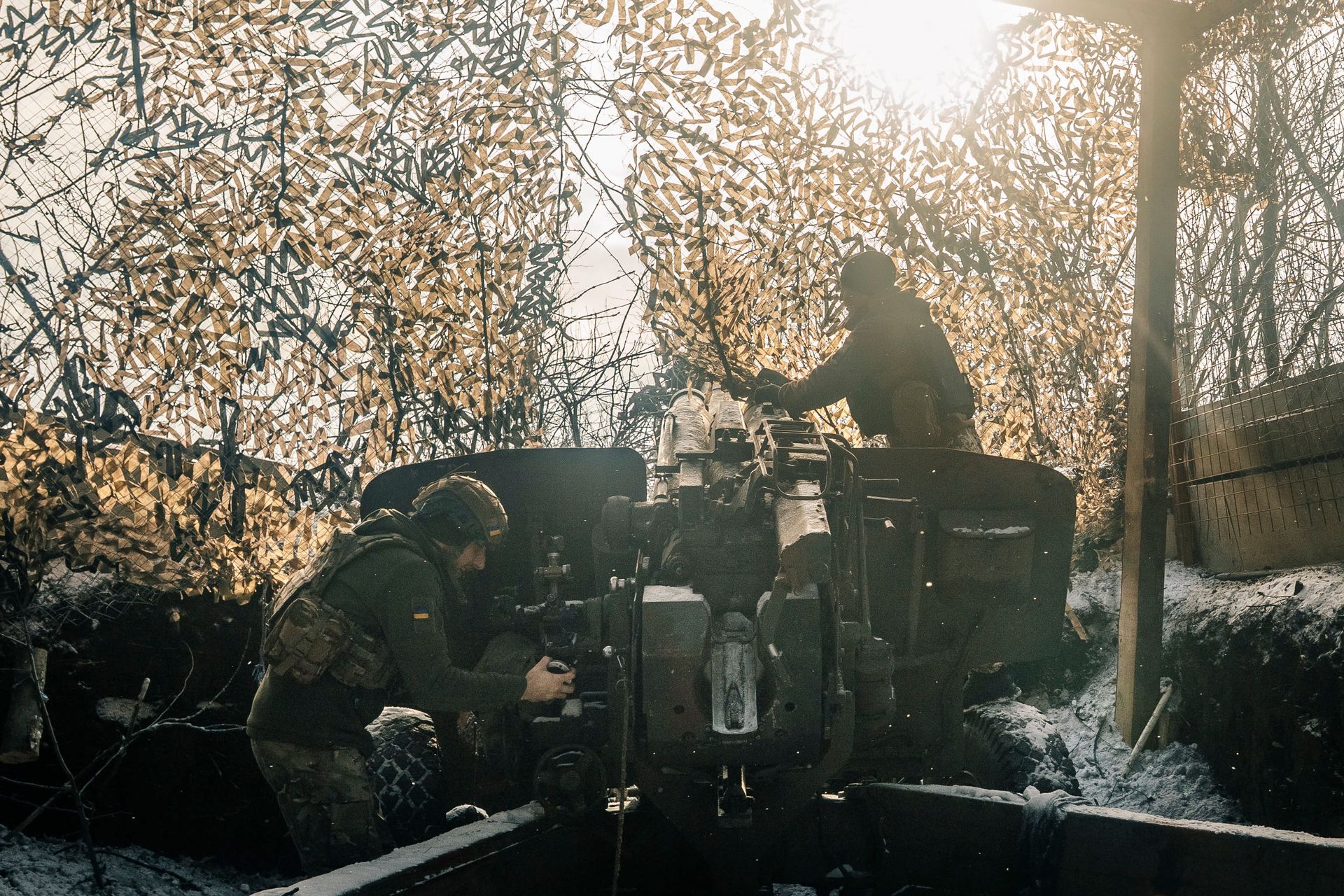
Quotes from military analysts featured in the piece underscore the human element's primacy. One respondent states, "In 2026, artillery and drones matter, but without bodies to hold ground, neither side advances far." This echoes broader observations from the Institute for the Study of War (ISW), which tracks how manpower deficits have frozen frontlines since Ukraine's 2022 Kharkiv counteroffensive and Russia's 2024 Pokrovsk push.
Technological Offsets and Morale Factors
While human resources dominate discussions, the article contextualizes them against technological adaptations. Ukraine's innovative use of drones – producing over 1 million first-person-view (FPV) units monthly by 2025 – and precision-guided munitions from NATO allies partially mitigates numerical disadvantages. Russia's electronic warfare superiority and glide bomb barrages, however, inflict heavy Ukrainian casualties, with daily losses in the hundreds during intensified phases.
Morale remains a wildcard. Ukrainian forces benefit from high motivation rooted in national survival, bolstered by President Volodymyr Zelenskyy's public appeals. Yet, fatigue and rotation gaps erode cohesion. Russian troops, often involuntary conscripts, suffer low morale, as evidenced by surrender rates tracked by Ukraine's Coordination Headquarters for the Treatment of POWs.
Historical Background and Broader Context
The Ukraine war, ignited by Russia's full-scale invasion on February 24, 2022, has evolved from blitzkrieg ambitions to a grinding war of attrition. Early Russian gains in Kherson and Kharkiv oblasts gave way to Ukrainian reconquests, but 2023-2025 saw incremental Russian advances in Bakhmut, Avdiivka, and Vuhledar. By January 2026, the front spans over 1,000 kilometers, with Russia controlling approximately 18% of Ukrainian territory, per UN and OSCE monitoring.
International involvement shapes manpower dynamics. U.S. and EU training programs have graduated over 100,000 Ukrainian troops since 2022, while delayed F-16 deliveries and ATACMS shortages highlight aid dependencies. Russia's partnerships with China, North Korea (supplying 3 million artillery shells in 2025), and Iran sustain its war machine, offsetting sanctions.
Ceasefire talks, mediated sporadically by Turkey and China, falter over territorial demands. Zelenskyy's "Victory Plan," unveiled in late 2025, prioritizes NATO integration and long-range strikes, but Russian President Vladimir Putin's conditions include Ukrainian neutrality.
Outlook for 2026
The Kyiv Independent analysis warns that without breakthroughs in recruitment – such as Ukraine's proposed digital conscription app or Russia's rumored new mobilization decree – the war risks further entrenchment. Spring thaws may enable offensives, but analysts predict continued positional fighting unless external factors, like U.S. elections or European defense hikes, intervene.
As global attention shifts to Middle East tensions and U.S.-China relations, Ukraine's human resource sustainability will test Western resolve. The article concludes on a resolute note, reflecting reader sentiment: the war's outcome hinges not just on weapons, but on the will to fight.
(Word count: 712)