
Ukraine Conflict Enters Day 1,406: Medics Seek Respite Amid Ongoing War Dynamics
As the Russia-Ukraine war marks its 1,406th day, the conflict continues to exert profound psychological and physical pressures on those directly involved. Recent developments highlight not only the ongoing challenges of warfare but also the pressing need for mental health support among Ukrainian military personnel.
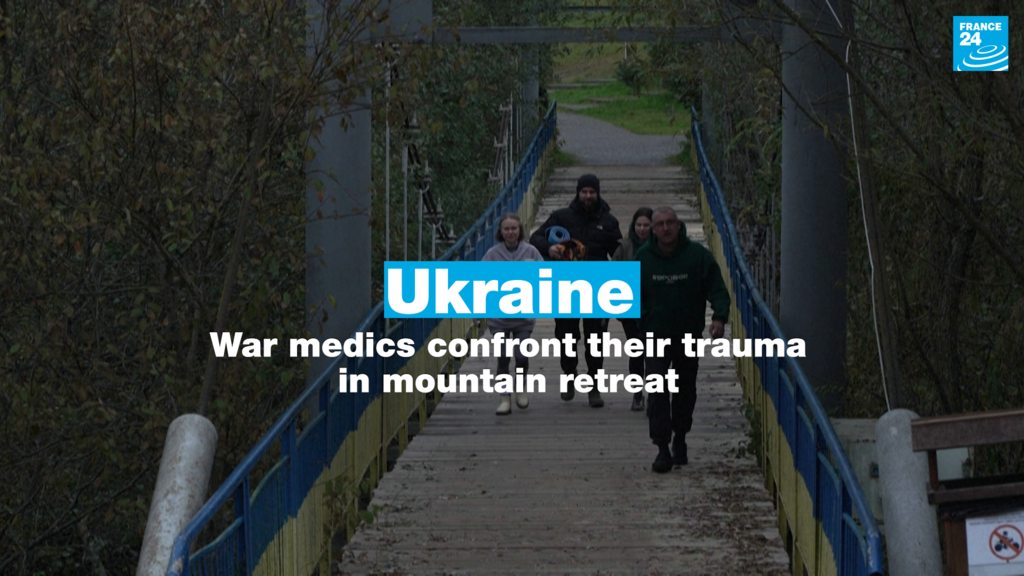
Deep in the Carpathian mountains of western Ukraine, a government initiative is providing military medics with a much-needed ten-day retreat to confront their traumas. This program seeks to address the psychological toll that years of conflict have taken on those who serve on the front lines. According to a report from France24, these medics face intense emotional burdens as they tend to injured comrades and civilians amidst the chaos of war. The retreat offers a space for reflection and healing, allowing participants to connect with others who share similar experiences and challenges.
In related news, the geopolitical landscape surrounding the conflict remains tense. Analysts are skeptical about the prospects for peace, particularly regarding statements made by U.S. President Donald Trump. Melinda Haring, a senior analyst at the Atlantic Council’s Eurasia Center, recently characterized Trump’s belief that Russian President Vladimir Putin is sincere about ending the war as "delusional." Haring's assessment underscores the complexity of negotiations and the entrenched positions of both Russia and Ukraine as the conflict approaches its fourth year.
Impact on Medics and Military Personnel
The retreat program for Ukrainian military medics is part of a broader recognition of the mental health crisis stemming from the prolonged conflict. Participants engage in various therapeutic activities designed to facilitate emotional processing and resilience building. This initiative marks a significant step towards acknowledging the psychological impact of war and providing necessary support to those who serve.
As the medics take time away from the battlefield, they are confronted with their own trauma, often exacerbated by the loss of colleagues and the harrowing experiences of treating injured civilians. The program is aimed at fostering a sense of community and understanding among participants, helping them to navigate the challenges of their roles in a war that has reshaped their lives.
Ongoing Conflict Dynamics
On the broader front, the war continues with no clear resolution in sight. The international community remains divided on how to address the ongoing hostilities. Haring’s comments reflect a growing concern that diplomatic efforts may be futile in the face of entrenched interests. Analysts note that both sides have solidified their positions, with Ukraine continuing to defend its sovereignty against Russian incursions and Russia maintaining its military presence in contested regions.
The escalating conflict has not only resulted in significant military casualties but has also led to widespread displacement and humanitarian crises within Ukraine. As the war grinds on, the need for effective mental health resources for military personnel and civilians alike becomes increasingly evident.
Conclusion
As the war in Ukraine enters another year, the psychological toll on those involved remains a critical issue. Programs aimed at supporting military medics are vital in addressing the trauma that comes with such prolonged conflict. Meanwhile, the geopolitical stalemate continues to pose challenges to peace efforts, leaving many to wonder what the future holds for Ukraine and the broader region.
The situation remains fluid, and the world watches closely as Ukraine grapples with the realities of war while seeking pathways to healing and recovery amidst ongoing strife.






