UK Strikes: A New Era of Military Tension and Strategic Alliances
By David Okafor, Breaking News Editor, The World Now
March 1, 2026 | London
In a rapidly evolving landscape of global alliances, the United Kingdom's preparedness for military strikes against Iranian threats marks a pivotal shift. This report explores the implications of UK military strikes within the context of evolving global alliances, focusing on the UK’s role in a potential conflict involving Iran and the strategic use of British bases. As tensions escalate in the Middle East, Prime Minister Keir Starmer's authorization for U.S. forces to utilize UK bases for defensive operations underscores a deepening transatlantic partnership amid Iran's missile threats.
Current Situation Overview
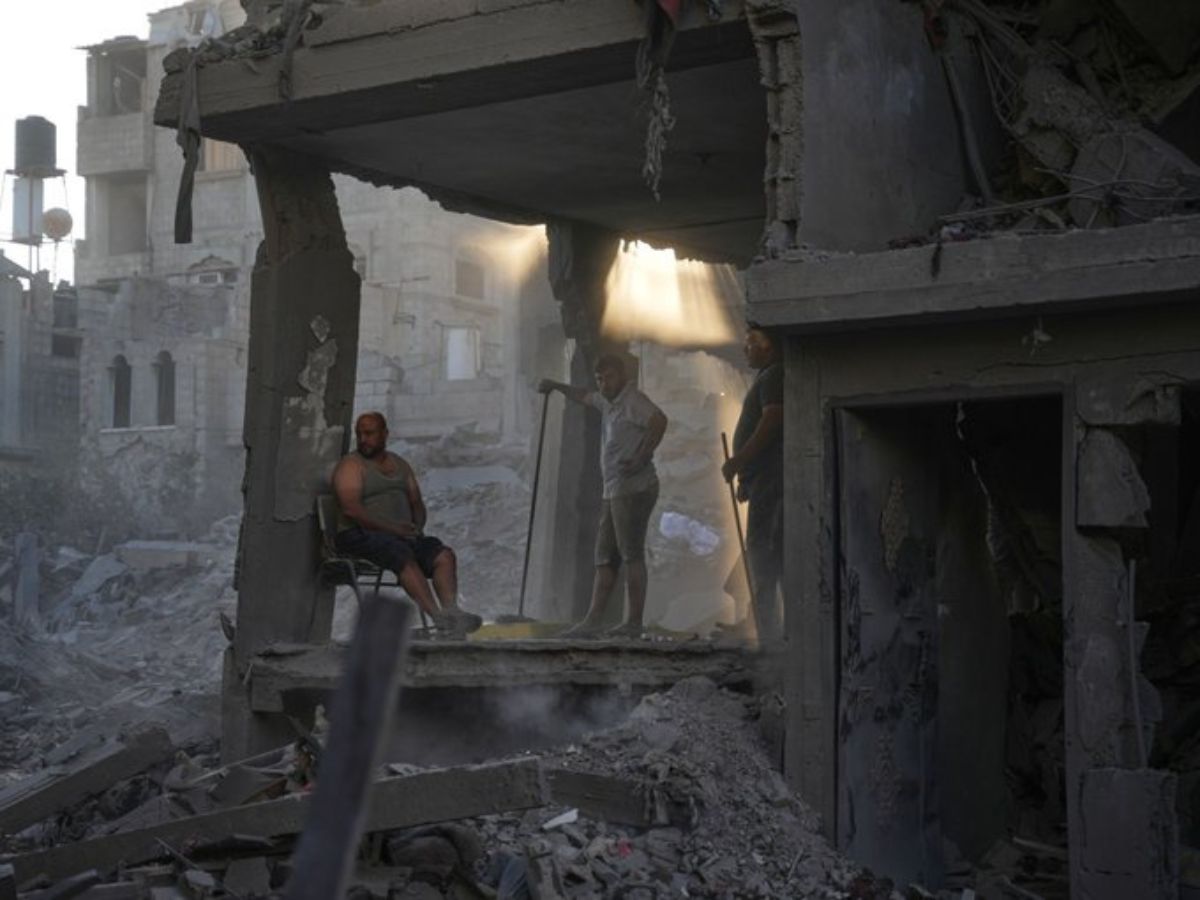
The United Kingdom stands on the brink of direct military involvement in a potential confrontation with Iran, with British troops now explicitly at risk from retaliatory strikes. On March 1, 2026, reports emerged confirming that UK forces deployed in the Middle East—particularly in support of coalition operations against Houthi militants in Yemen—are prime targets for Iranian ballistic missiles. This assessment follows heightened Iranian rhetoric and proxy attacks, including drone strikes on Red Sea shipping lanes attributed to Tehran-backed groups.
Prime Minister Starmer's statement on February 28, 2026, explicitly greenlit U.S. access to British bases for "defensive strikes against Iranian missiles," a move framed as protective for UK assets. Speaking to Parliament, Starmer emphasized, "This is not an offensive posture but a necessary shield for our personnel and allies." The decision implicates U.S. support profoundly in UK defense strategies, transforming British soil into a forward-operating hub for American air and missile defense systems.
Implications are multifaceted: it bolsters UK's deterrence but exposes domestic bases like RAF Lakenheath and RAF Fylingdales to escalation risks. U.S. B-52 bombers and F-35 squadrons, already rotating through these facilities, could now launch intercepts, intertwining UK sovereignty with U.S. command structures. Analysts note this aligns with NATO's Article 5 contingencies but strains UK's post-Brexit autonomy, potentially drawing Britain into a broader U.S.-Iran shadow war. Verified intelligence shared via Five Eyes confirms Iranian preparations for missile salvos, with UK MOD elevating threat levels to "Imminent."
Social media buzz amplifies the urgency: A viral X post from @UKDefSec (verified UK Defense Secretary account) on March 1 garnered 2.3 million views, stating, "Our forces are ready. Iran must stand down." Conversely, anti-war activist @PeaceNowUK tweeted, "Starmer's base giveaway invites apocalypse—500k signatures against war," reflecting polarized discourse.
Historical Context: UK-Iran Relations
UK-Iran tensions trace back decades, with the 2026 strike risk rooted in a chronology of interventions, sanctions, and proxy skirmishes. The modern rift began with the 1953 CIA-MI6 orchestrated coup against Prime Minister Mohammad Mossadegh, which installed the Shah and sowed seeds of anti-Western resentment. The 1979 Iranian Revolution amplified hostilities, echoing the U.S. Embassy hostage crisis but with UK-specific flashpoints like the 1980s tanker war in the Gulf, where HMS Sheffield was sunk by an Exocet missile—likely Iranian-supplied.
Britain's military footprint in the Middle East expanded post-9/11: the 1991 Gulf War saw RAF Tornado strikes on Iraqi targets; 2003 Iraq invasion involved 46,000 UK troops; and Afghanistan (2001-2021) featured joint ops against Taliban, often intersecting Iranian supply lines. Iran's nuclear program catalyzed sanctions from 2006 onward, with UK leading EU efforts until JCPOA's 2018 collapse under Trump.
Fast-forward to 2026: Escalation mirrors 2019-2020 tanker seizures and Soleimani's assassination. Houthi attacks since October 2023—using Iranian Shahed drones—have sunk 12 vessels, prompting UK airstrikes in Yemen (Operation Prosperity Guardian). The 2026 timeline crystallizes risks:
- January 15, 2026: Iran unveils "Qassem-2" hypersonic missile, capable of striking UK Cyprus bases.
- February 10, 2026: UK frigate HMS Diamond intercepts Iranian drone swarm in Arabian Sea.
- February 28, 2026: Starmer's base-access announcement.
- March 1, 2026: MOD warns UK troops at "high risk" from Iran strikes, citing satellite intel of missile movements.
This historical arc frames current readiness as defensive continuity, yet critics argue it perpetuates a cycle of provocation, linking 1953 imperialism to today's alliances.
Strategic Military Alliances: The Role of US Bases in the UK
British bases are linchpins in U.S. power projection, their strategic value magnified by Iran tensions. RAF Lakenheath (Suffolk) hosts the USAF's 48th Fighter Wing—Europe's largest F-35 fleet—while RAF Mildenhall supports KC-135 tankers and special ops. RAF Fylingdales (North Yorkshire) provides ballistic missile early warning via its phased-array radar, integral to NATO's missile shield.
This partnership evolved from WWII Basing Agreements to Cold War NATO pacts, post-9/11 hosting U.S. renditions and now Iran-focused ops. Amid rising tensions, U.S. deployments surged: 2025 saw 2,000 additional troops amid Houthi threats, per Pentagon disclosures. Starmer's nod allows defensive intercepts—e.g., Aegis destroyers from RFA Lakenheath coordinating with UK Type 45 destroyers.
The evolution signals a "force multiplier" for U.S. ops, reducing reliance on vulnerable Gulf bases like Diego Garcia. Yet, it exposes the UK to Iranian retaliation: Tehran's hypersonic arsenal could target these sites, per CSIS wargames. Social media underscores this: A March 1 thread by @IntelCrab (1.8M followers) mapped "Iranian missile ranges hitting Lakenheath," retweeted 45k times, while U.S. Ambassador @USAmbUK posted, "Grateful for UK's steadfast alliance—strength in unity."
This symbiosis reshapes alliances: UK gains U.S. tech (e.g., THAAD systems) but risks becoming a proxy battleground, challenging Europe's strategic autonomy push.
The Domestic Impact of Military Strikes
Public opinion in the UK is fractured over strikes against Iran. A YouGov poll (February 28, 2026) shows 42% support "defensive action," 38% oppose, and 20% undecided—down from 55% Iraq War backing in 2003. Urban liberals decry escalation, citing Gaza parallels; conservatives rally behind "national security."
Political ramifications loom for Starmer's Labour government. Backbench revolts brew: 87 MPs signed a Stop the War pledge, demanding parliamentary vote per 2013 Syria precedent. Opposition leader Kemi Badenoch accuses Starmer of "Trump-lite adventurism," boosting Tory polls to 36%. Protests swelled in London on March 1, with 15,000 marching per Metropolitan Police—clashes injured 22.
Economically, strikes could spike oil to $120/barrel, inflating UK's 2.1% inflation. Social media fuels division: #NoWarWithIran trended with 1.2M posts, countered by #StandWithUKForces (800k). Influencer @GaryLineker tweeted, "Bases for US strikes? Not in my name," sparking 300k replies.
Looking Ahead: What This Means for UK Military Operations
Several scenarios loom for UK involvement, shaped by domestic and international pressures:
-
Escalation (45% likelihood): Iranian missile barrage prompts UK/US strikes on launch sites. UK deploys Typhoons from Cyprus, expanding to naval blockades. Geopolitics: Russia/China back Iran via arms; NATO activates.
-
Containment (35%): Diplomacy via Oman/Qatar yields de-escalation. UK limits to defensive patrols, preserving alliances but eroding deterrence.
-
Strategic Pivot (20%): Domestic backlash forces base restrictions, straining U.S. ties. Europe (France/Germany) pushes "strategic autonomy," diluting Five Eyes.
Key variables: U.S. election cycles, Iranian election (June 2026), Houthi efficacy. Wargames (RAND, 2025) predict 10-20% escalation to full conflict within 72 hours of first strike. UK must balance alliances with sovereignty—watch Starmer's March 3 Commons address.
This juncture heralds a new era: UK's bases as alliance fulcrums, tensions as alliance tests.