
UK Emerges as Key Hub in Global Geopolitics Amid US Military Surge and EU Realignment Signals
London, January 8, 2026 – The United Kingdom is positioning itself at the crossroads of transatlantic security and European diplomacy, with heavily armed U.S. military aircraft landing on British soil since the weekend and Prime Minister Keir Starmer signaling a policy pivot toward closer alignment with the European Union.
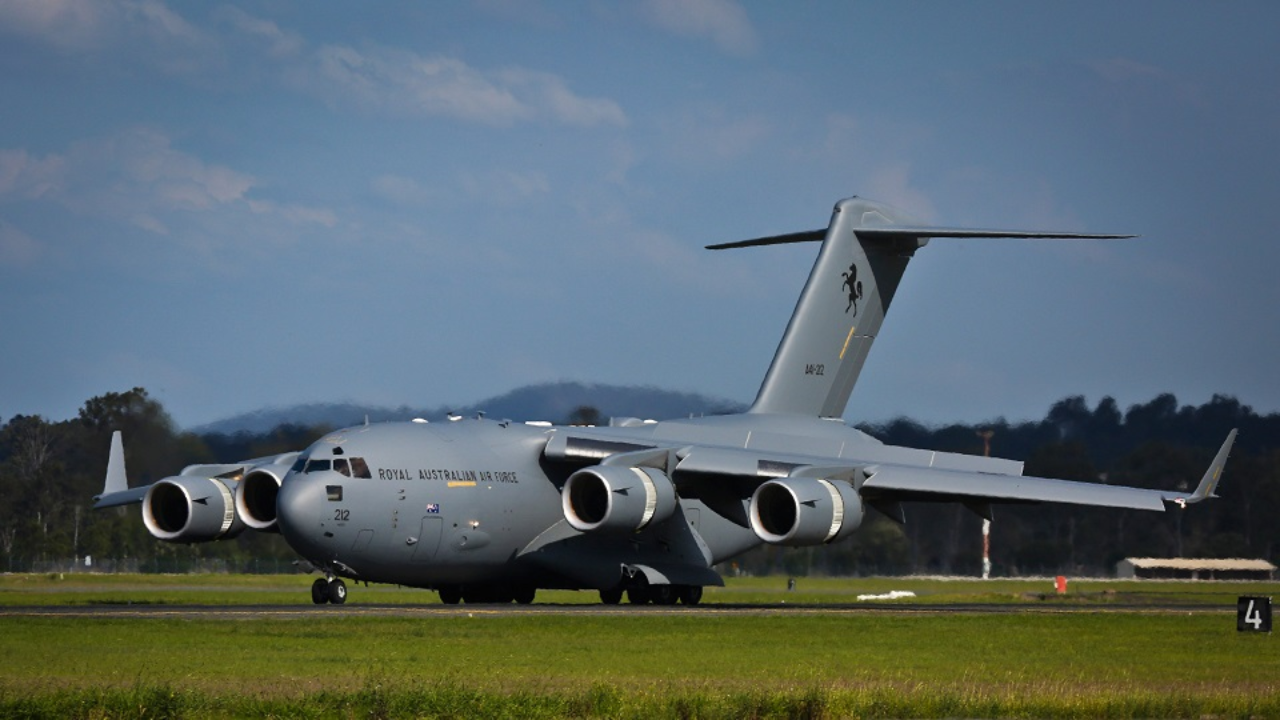
Reports indicate that U.S. cargo jets and gunships began arriving in Britain over the January 4-5 weekend, following the reported capture of Venezuelan President Nicolás Maduro. Eyewitness accounts and aviation tracking data have confirmed multiple landings at U.K. airbases, accompanied by exercises involving U.S. special operations soldiers. The activity underscores Britain's role as a staging ground for American forces, though the British government has declined to comment on the deployments.
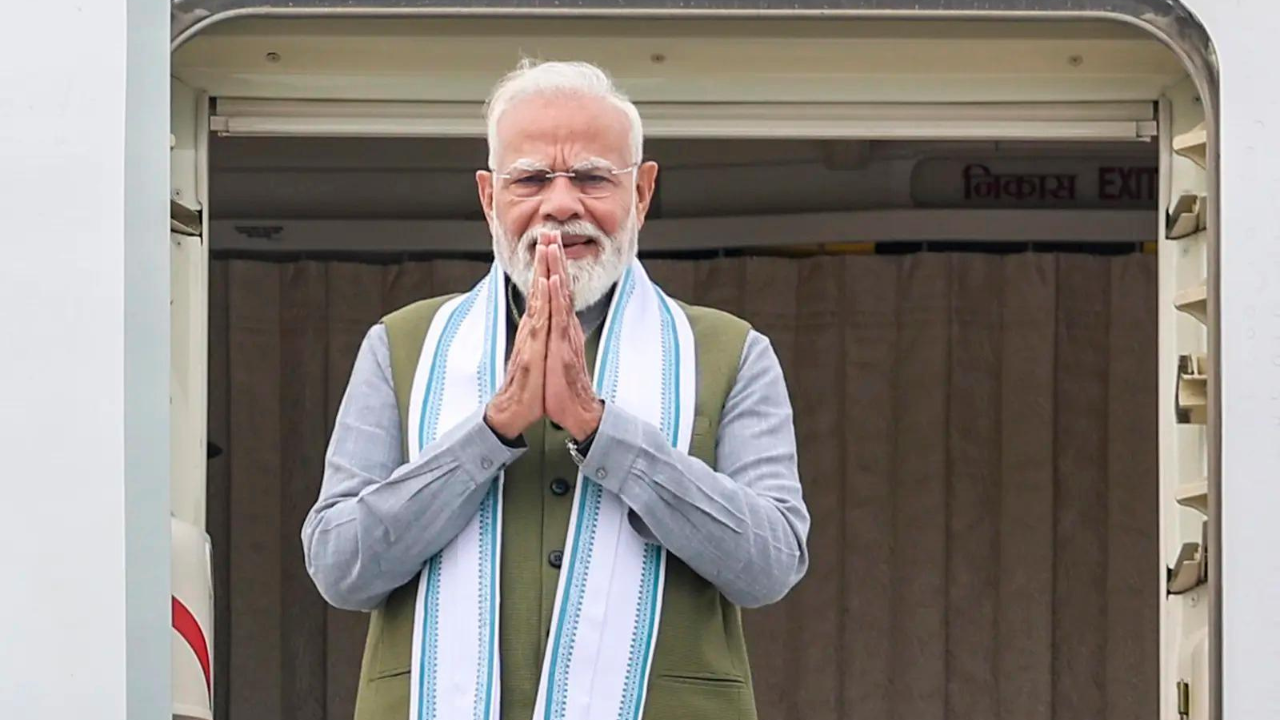
This U.S. military buildup coincides with a notable shift in U.K. foreign policy. On January 4, Prime Minister Starmer publicly indicated an intent to pursue closer alignment with the EU across various domains, including trade, security, and regulatory standards. Described as a recalibration of national interests, the move marks a departure from the more isolationist post-Brexit stance under previous administrations and reflects ongoing efforts to "reset" relations with the bloc.
U.S. Deployments Spark Speculation on Venezuela Operations
According to reports from aviation enthusiasts and military observers, the U.S. aircraft include large cargo planes capable of transporting heavy equipment and personnel, alongside attack gunships suited for close air support. These landings have been concentrated at established U.S. Air Force bases in the U.K., such as RAF Lakenheath in Suffolk and RAF Mildenhall in Wiltshire—facilities long used under the U.K.-U.S. "special relationship" for joint operations.
The timing aligns directly with developments in Venezuela, where opposition forces or international actors reportedly captured Maduro, plunging the oil-rich nation into further instability. While no official confirmation of U.S. involvement has been issued by Washington or London, the deployments suggest preparations for potential evacuation, logistics support, or contingency operations in the region. Special operations exercises observed near the bases involve elite units, hinting at rehearsals for high-risk missions.
The U.K. Ministry of Defence offered no statement when approached, maintaining its standard protocol of not commenting on U.S. activities at shared facilities. This reticence is consistent with historical precedents, such as U.S. deployments during the 2021 Afghanistan withdrawal or operations against ISIS, where British bases served as critical enablers without public fanfare.
Starmer's EU Overture: A Strategic Rebalance?
In parallel, Starmer's announcement on January 4 represents a medium-severity geopolitical pivot for the U.K. Since taking office in July 2024, the Labour government has prioritized pragmatic diplomacy, seeking to mitigate the economic frictions of Brexit while preserving alliances. Areas flagged for closer EU alignment include defense cooperation—potentially under frameworks like the EU's Permanent Structured Cooperation (PESCO)—and alignment on issues like carbon border taxes and animal welfare standards.
This comes amid broader European security concerns, including Russia's ongoing war in Ukraine and tensions in the Indo-Pacific. Starmer has framed the approach as advancing U.K. interests without reversing the 2016 referendum, echoing his "Change" manifesto commitments. EU leaders have responded cautiously positively, with indications of willingness to explore "deepened partnerships."
Background: Britain's Enduring Geopolitical Leverage
The U.K.'s strategic position stems from its Five Eyes intelligence network, nuclear capabilities, and overseas territories. Post-Brexit, it has balanced deepened U.S. ties—evident in AUKUS and NATO commitments—with EU economic imperatives, which account for nearly half of U.K. trade. U.S. bases in Britain host around 10,000 American personnel and advanced assets like F-35 stealth fighters at Lakenheath, making the islands indispensable for power projection into the Atlantic and beyond.
The Venezuela context adds complexity: Maduro's government has long accused the U.S. and U.K. of meddling, particularly over sanctions on its oil sector. A leadership change could reshape global energy markets and migration flows, with implications for NATO allies.
Outlook: Navigating Multipolar Pressures
As U.S. forces consolidate in Britain, questions linger about the scope of operations and potential U.K. involvement. Meanwhile, Starmer's EU signals could yield tangible benefits, such as youth mobility schemes or veterinary agreements, but risk domestic backlash from Brexit hardliners.
These developments highlight the U.K.'s delicate balancing act in a multipolar world, leveraging its alliances amid flashpoints from South America to Eastern Europe. Official clarifications from London and Washington are awaited as tensions simmer.
(Word count: 612)